
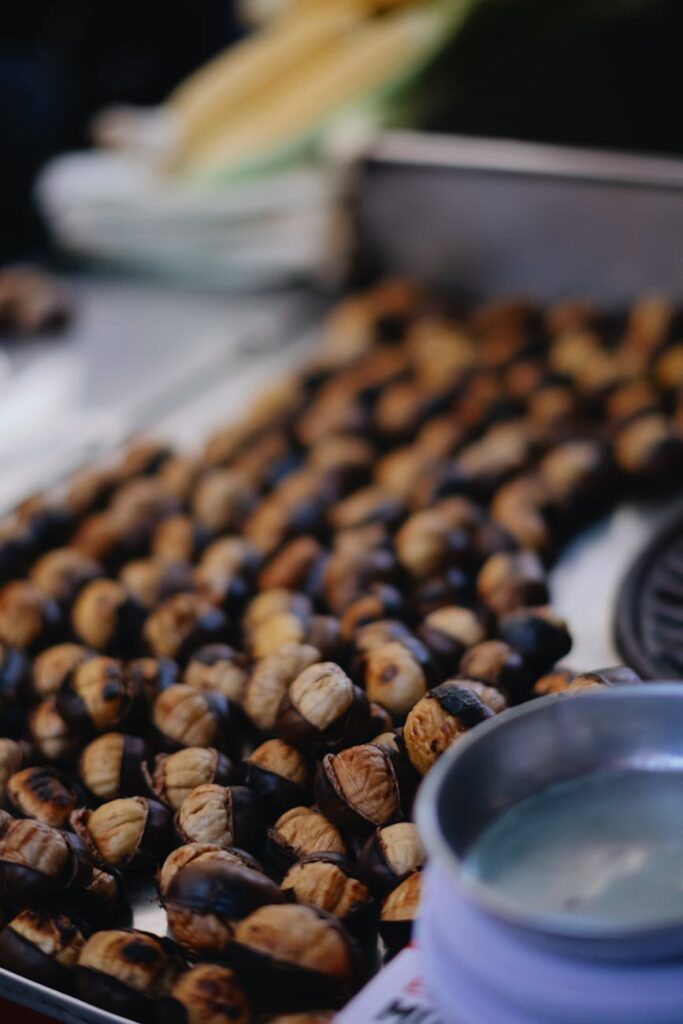
Chestnuts Growing Guide Part 7
Introduction
Chestnuts, cherished for their unique flavor and rich nutritional profile, have been a staple in various cultures for centuries. As a versatile ingredient, they can be enjoyed in various forms, from roasted snacks to flour used in baking. This guide delves into the intricate details of growing chestnuts, covering essential aspects such as history, production, quality grading, and more, to ensure successful cultivation and optimal use of this remarkable ingredient.
What Is Growing?
Growing refers to the cultivation practices involved in the development of plants, including chestnuts. This encompasses various stages—from seed germination and seedling development to mature tree care and harvesting. The process requires careful attention to environmental conditions, soil quality, and pest management to yield healthy crops. The cultivation of chestnuts presents unique challenges and opportunities, making an understanding of the growing process essential for those interested in this ingredient.
History and Origins
The chestnut tree, belonging to the genus Castanea, has a long and storied history. Originating in the temperate regions of the Northern Hemisphere, chestnuts have been cultivated for thousands of years. Archaeological evidence suggests that the domestication of chestnuts began in ancient Greece and Rome, where they were valued both as a food source and as timber.
Over centuries, different species of chestnuts have been cultivated in various regions, including the European chestnut (Castanea sativa), the American chestnut (Castanea dentata), and the Japanese chestnut (Castanea crenata). Each species boasts unique characteristics, contributing to the diversity of flavors and uses. The chestnut blight, a fungal disease introduced in the early 20th century, significantly impacted the American chestnut population, leading to increased cultivation of other species.
Production and Processing
Chestnut cultivation requires specific climatic and soil conditions for optimal growth. They thrive in well-drained, acidic soils with a pH range of 5.0 to 6.5 and benefit from a temperate climate. Here are the key steps involved in the production and processing of chestnuts:
1. Planting: Chestnuts are typically planted in the spring or fall. The seeds are often stratified (cold-treated) to enhance germination rates. Young saplings can be planted in rows, allowing for adequate spacing to promote healthy growth.
2. Cultivation Practices: Regular maintenance, including watering, mulching, and pruning, is crucial. Ensuring that the trees receive adequate sunlight and managing competition from weeds will foster healthy growth.
3. Pest and Disease Management: Chestnut trees are susceptible to a variety of pests and diseases, including the chestnut blight. Integrated pest management (IPM) strategies, such as introducing beneficial insects and monitoring for early signs of disease, are essential in maintaining tree health.
4. Harvesting: Chestnuts typically mature in late autumn. Harvesting is done by hand or using mechanical shakers. The nuts must be carefully collected to avoid damage.
5. Processing: After harvesting, chestnuts require proper processing to extend shelf life. This includes cleaning, drying, and sometimes roasting to enhance flavor.
Quality and Grading
Grading chestnuts is crucial for both producers and consumers. Quality is assessed based on several factors:
1. Size: Larger chestnuts are typically more desirable, as they offer a better yield and greater culinary versatility.
2. Shape: Round, plump chestnuts are preferable, while flat or misshapen nuts are often considered inferior.
3. Shell Integrity: The shell should be intact, without cracks or blemishes, which indicates a higher quality nut.
4. Moisture Content: Proper moisture levels are critical; overly moist chestnuts can be prone to mold and decay.
Chestnuts are often sorted into grades, with Grade A representing the highest quality, followed by Grade B and C. Understanding these grading systems can help consumers make informed purchasing decisions.
Buying Considerations
When purchasing chestnuts, whether fresh or processed, several factors should be taken into account:
1. Seasonality: Fresh chestnuts are typically in season from late fall to early winter. Ensure you are buying during this timeframe for the best flavor and quality.
2. Source: Opt for chestnuts from reputable growers or suppliers. Local farmers’ markets may offer fresher, higher-quality nuts.
3. Appearance: Look for shiny, firm chestnuts without signs of mold or blemishes. A good chestnut should feel heavy for its size.
4. Packaging: If purchasing packaged chestnuts, check for any damage to the packaging, which could indicate spoilage.
5. Processed Varieties: Roasted, peeled, or flour forms of chestnuts should be examined for freshness. Check expiration dates and ingredients for additives.
6. Sustainability: Consider the environmental impact of your purchase. Look for chestnuts that are grown using sustainable practices to support responsible agriculture.
Uses and Applications
Chestnuts are a versatile ingredient in both savory and sweet dishes. Here are some common uses:
1. Culinary Applications: Roasted chestnuts are a popular snack, especially during colder months. They can also be incorporated into stuffing, soups, and sauces.
2. Flour Production: Chestnut flour, gluten-free and rich in nutrients, can be used in baking, providing a unique flavor and texture to breads, cakes, and pasta.
3. Confectionery: Chestnuts are often used in confectionery, such as marrons glacés (candied chestnuts), showcasing their adaptability.
4. Beverages: Chestnuts can be used to produce specialty liqueurs and flavored spirits, adding depth to culinary creations.
5. Cultural Significance: In various cultures, chestnuts play a role