
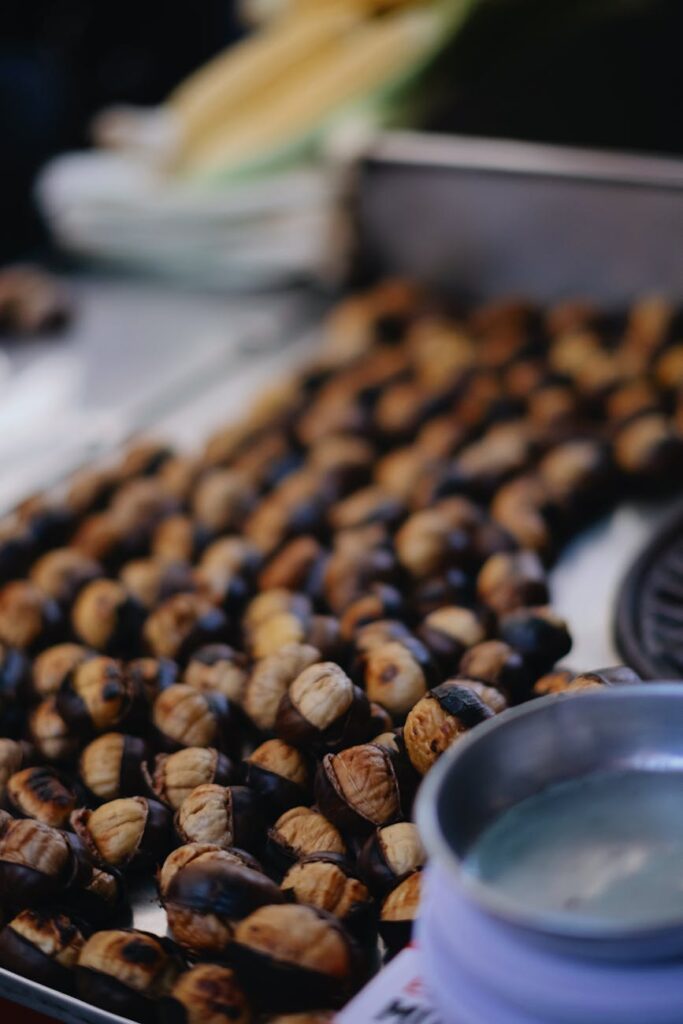
Chestnuts in Traditional Cuisine
Introduction
Chestnuts, with their unique flavor and texture, have been a staple in various traditional cuisines around the globe for centuries. Unlike other nuts, they are low in fat and rich in carbohydrates, making them a significant food source in many cultures. This article explores the multifaceted uses of chestnuts in traditional cuisine, delving into their history, production, applications, and common misconceptions.
What Is Uses?
In the context of culinary ingredients, “uses” refers to the various ways an ingredient can be incorporated into dishes, contributing to flavor, texture, and nutritional value. For chestnuts, their uses extend beyond mere consumption; they serve as a versatile component in both savory and sweet dishes, acting as a binding agent, a thickener, or even a primary ingredient in various recipes. Understanding the diverse applications of chestnuts is essential for appreciating their role in traditional cuisines.
History and Origins
Chestnuts belong to the genus Castanea and are primarily associated with the temperate regions of the Northern Hemisphere. Historical evidence suggests that chestnuts have been cultivated for thousands of years. They played a crucial role in the diets of ancient civilizations, particularly in Europe and Asia, where they were often referred to as “bread of the poor” due to their high carbohydrate content.
The domestication of chestnuts can be traced back to the Mediterranean region, where they were used in various forms—from roasted snacks to flour for baking. Their significance expanded during the Middle Ages, when they became a vital food source during times of famine. In Asia, particularly in China and Japan, chestnuts have been revered not only for their culinary uses but also for their cultural symbolism, often associated with prosperity and abundance.
Production and Processing
Chestnuts are cultivated in various regions, with Europe, Asia, and North America being the primary producers. The harvesting season typically occurs in late autumn when the nuts fall from the trees, making them easier to collect. After harvesting, chestnuts undergo careful processing to ensure quality.
The processing of chestnuts includes several steps: sorting, peeling, and roasting. The outer husk is removed, and the nuts are often boiled or roasted to enhance their flavor and make them easier to digest. This processing not only preserves the nuts but also enhances their culinary versatility. In some cultures, chestnuts are dried and ground into flour, which is used in a variety of traditional dishes.
Quality and Grading
The quality of chestnuts is determined by several factors, including size, color, and firmness. Premium chestnuts are typically large, glossy, and free from blemishes or cracks. Grading systems may vary by region, but generally, they are categorized based on their size, with larger nuts often commanding higher prices in the market.
When purchasing chestnuts, consumers should look for firm, heavy specimens with a smooth, shiny exterior. Soft or shriveled nuts indicate age and poor quality. Additionally, the presence of mold or an off-putting odor can signal spoilage, making it essential to inspect nuts closely before buying.
Buying Considerations
When selecting chestnuts, there are several factors to consider:
1. Freshness: Always choose fresh chestnuts, ideally purchased in the fall when they are in season.
2. Variety: Different varieties of chestnuts exist, such as the European sweet chestnut and the American chestnut. Understanding the local varieties can enhance culinary applications.
3. Origin: Look for chestnuts that are locally sourced or from reputable producers to ensure quality and support sustainable agriculture.
4. Packaging: If buying pre-packaged chestnuts, check for air-tight seals to ensure freshness and avoid contamination.
5. Storage Requirements: Chestnuts should be stored in a cool, dry place to prevent spoilage. Understanding the storage needs can help maintain their quality.
Uses and Applications
Chestnuts are remarkably versatile, finding their way into a myriad of traditional dishes across different cultures:
Savory Dishes
In European cuisines, chestnuts are often used in stuffing for poultry, providing a nutty flavor that complements the meat. They are also incorporated into soups and stews, where they act as a thickening agent, adding body and richness to the dish. In Italian cuisine, chestnut flour is used to make polenta and various pasta dishes, showcasing their adaptability.
Sweet Dishes
In contrast, Asian cuisines often feature chestnuts in desserts. Sweet chestnuts are commonly used in confections, such as the Chinese mooncake and the Japanese “kuri kinton,” a sweet chestnut paste. Roasted chestnuts are also a popular street food in many cultures, often enjoyed as a warm snack during the colder months.
Beverages
Chestnuts have also found their way into beverages, particularly in Europe. Chestnut liqueurs and creams are crafted to exploit their unique flavor profiles, making them popular choices for festive occasions.
Flour and Other Products
Chestnut flour, made from ground roasted chestnuts, is gluten-free and serves as an excellent alternative in various baking applications. It can be used to create pancakes, breads, and pastries, expanding its culinary utility significantly.
Storage and Shelf Life
The shelf life of chestnuts varies based on their form. Fresh chestnuts, when stored in a cool, dry place, can last several weeks. For longer preservation, they can be refrigerated or frozen. Once cooked, the shelf life is significantly shorter, and they should be consumed within a few days or stored in the freezer for later use.
Chestnut flour, on the other hand, should be kept sealed in an airtight container in a cool, dark place to prevent rancidity. Proper storage is crucial in maintaining the flavor and quality of chestnuts and products derived from them.
Common Misconceptions
Despite their popularity, several misconceptions surround chestnuts:
1. Chestnuts are nuts: Unlike other nuts