
Chestnuts Regions Guide Part 6
Introduction
Chestnuts have long been celebrated for their unique flavor, nutritional benefits, and versatility in culinary applications. This article delves into the various regions where chestnuts are cultivated, exploring their historical significance, production processes, and cultural contexts. Understanding these regions not only enhances appreciation of this remarkable ingredient but also informs purchasing decisions and culinary uses.
What Is Regions?
In the context of food ingredients, “regions” refers to the geographical areas where specific food products are grown, processed, and consumed. For chestnuts, the concept of regions encompasses not only the climatic and soil conditions conducive to their growth but also the cultural practices and traditions that influence their cultivation and utilization. Each region imparts distinct characteristics to the chestnuts, making them unique to their source.
History and Origins
Chestnuts have a rich history that dates back thousands of years. Native to the temperate regions of the Northern Hemisphere, particularly Asia, Europe, and North America, the tree has been an integral part of various civilizations. Historical records suggest that chestnuts were domesticated in ancient Greece and Rome, where they served as a staple food source. The cultivation of chestnuts spread throughout Europe, particularly in countries like Italy, France, and Spain, which became known for their high-quality varieties.
The American chestnut, once dominant in the eastern United States, faced near extinction in the early 20th century due to a devastating blight. Efforts to restore this species continue, highlighting the historical significance and ecological importance of chestnut trees.
Production and Processing
Chestnut production is a labor-intensive process that requires specific climatic conditions. They thrive in well-drained, acidic soils and prefer temperate climates with adequate rainfall. Major producers include Italy, France, Spain, and China. In Italy, the regions of Campania and Tuscany are renowned for their quality chestnuts, while France’s Ardèche region is celebrated for its sweet varieties.
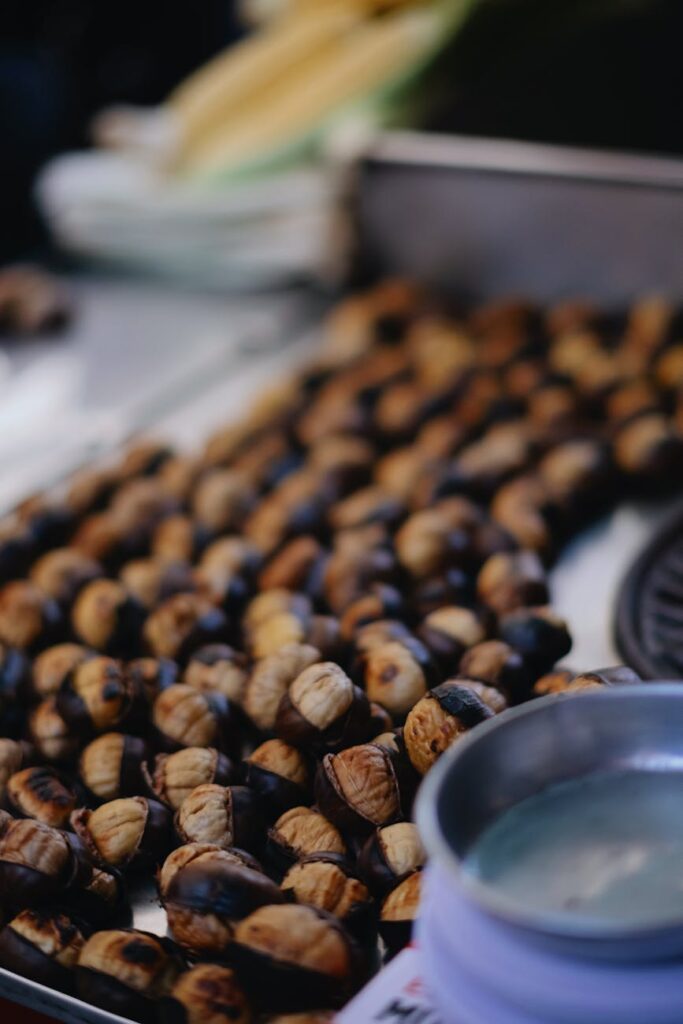
The harvesting season typically occurs in autumn, when the nuts fall from the trees. After harvesting, chestnuts undergo processing that can include peeling, roasting, and drying. These methods not only enhance flavor but also extend shelf life. Roasting is particularly popular, as it accentuates the natural sweetness and creates a delightful aroma.
Quality and Grading
Quality and grading are essential aspects of chestnut production, influenced by factors such as size, appearance, and flavor. Chestnuts are generally categorized into different grades based on their size and the presence of defects. Premium grades are larger and free from blemishes, while lower grades may be smaller or display superficial imperfections.
In Europe, the European Union has established specific regulations that govern the quality standards for chestnuts, ensuring that consumers receive high-quality products. This includes criteria for moisture content, size, and the absence of pests or diseases.
Buying Considerations
When purchasing chestnuts, several factors should be considered to ensure quality and freshness. First, look for chestnuts that are firm and heavy for their size, as these indicate moisture content and freshness. The shells should be smooth and free from cracks or blemishes.
It is advisable to buy chestnuts in their shells whenever possible, as this protects them from drying out and preserves their flavor. If purchasing pre-packaged or processed chestnuts, check for expiration dates and ensure that the packaging is intact.
Uses and Applications
Chestnuts are versatile ingredients used in various culinary applications. In Europe, they are often roasted and consumed as a snack, especially during winter festivities. In Italy, chestnuts are ground into flour for use in pasta and polenta, while in France, they are integrated into savory dishes, such as chestnut soup or as a filling in game meats.
In addition to savory uses, chestnuts are also popular in desserts, such as marrons glacés (candied chestnuts) and chestnut puree, which can be used in pastries and cakes. Their unique flavor and texture make them suitable for both sweet and savory applications.
Storage and Shelf Life
Proper storage is crucial for maintaining the quality of chestnuts. Fresh, whole chestnuts should be kept in a cool, dry place, ideally in a perforated bag to allow for air circulation. Under optimal conditions, they can last for several weeks. However, they should be checked regularly for signs of spoilage, such as mold or a sour smell.
For longer storage, chestnuts can be frozen. To do this, they should be blanched and then stored in airtight containers or freezer bags. When properly frozen, they can retain their quality for several months.
Common Misconceptions
Despite their popularity, several misconceptions about chestnuts persist. One common myth is that all chestnuts are poisonous. While it’s true that some species, such as horse chestnuts, are not edible, true chestnuts (Castanea species) are safe for consumption.
Another misconception is that chestnuts are similar to nuts in terms of nutritional value. In reality, chestnuts are lower in fat and calories compared to traditional nuts, making them a unique addition to a balanced diet.
Frequently Asked Questions
1. Are chestnuts gluten-free?
Yes, chestnuts are naturally gluten-free, making them an excellent alternative for those with gluten sensitivities or celiac disease.
2. Can I eat chestnuts raw?
While some people do consume chestnuts raw, they are generally more palatable and flavorful when cooked. Roasting enhances their sweetness and texture.
3. How can I tell if chestnuts are bad?
Spoiled chestnuts may exhibit mold, a sour odor, or a shriveled appearance. If in doubt, it’s best to discard them.
4. What is the difference between sweet and horse chestnuts?
Sweet chestnuts (Castanea) are edible and commonly used in cooking, while horse chestnuts (Aesculus) are toxic and should not be consumed.