
Chia Seeds Around the World
Introduction
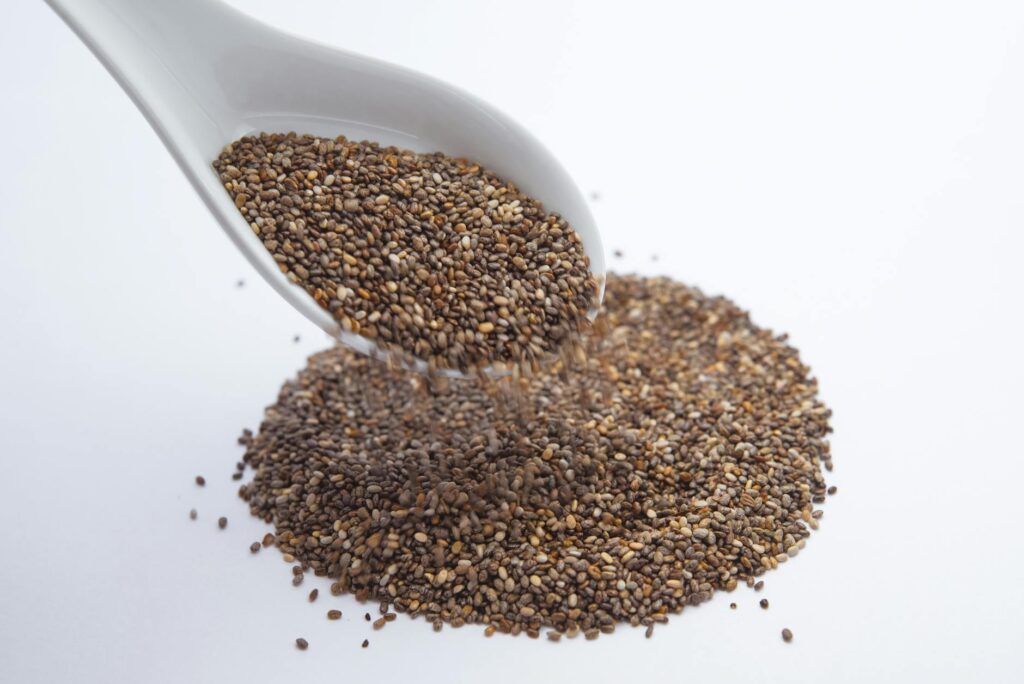
Chia seeds, small but mighty, have become a staple in global cuisine and health-conscious diets. These tiny seeds, derived from the Salvia hispanica plant, are celebrated not only for their nutritional benefits but also for their versatility across various culinary traditions. As we explore the regions that cultivate chia seeds, we will uncover their historical significance, production methods, quality grading, and much more. This comprehensive overview will provide insights into the global footprint of chia seeds and their varied applications.
What Is Regions?
In the context of food ingredients, “regions” refers to the geographical locations where specific ingredients are cultivated, processed, and consumed. The cultivation of chia seeds has expanded beyond its traditional origins, with various countries now embracing its agricultural potential. Understanding these regions helps to appreciate the diverse characteristics and uses of chia seeds, influenced by local climates, traditions, and culinary practices.
History and Origins
Chia seeds have a rich history that dates back to the ancient civilizations of Central America. The Aztecs and Mayans revered chia for its nutritional properties and used it as a staple food source, believing it to provide energy and endurance. The name “chia” is derived from the Aztec word “chian,” which means oily, referring to the oil-rich seeds.
After the Spanish conquest in the 16th century, chia seeds fell out of favor and were largely replaced by wheat and corn. However, in the late 20th century, there was a resurgence of interest in these seeds, particularly in the health and wellness community. Today, chia seeds are cultivated in various countries, with Mexico and South America leading the way.
Production and Processing
Major Producing Regions
Chia seeds thrive in warm, dry climates, making regions such as Mexico, Argentina, Bolivia, and Paraguay ideal for cultivation. Mexico, in particular, is recognized as the largest producer, accounting for a significant portion of the global supply. The seeds are harvested in late summer to early fall, after flowering.
Cultivation Practices
Chia plants grow to about three to four feet tall, producing purple or white flowers. The seeds are typically harvested by mechanical means, ensuring that the delicate seeds are collected with minimal damage. Sustainable farming practices are increasingly adopted, focusing on organic cultivation methods that reduce pesticide use and promote soil health.
Processing
Once harvested, chia seeds undergo cleaning and sorting processes to remove debris and ensure quality. They can be sold whole, ground, or processed into oil. The seeds have a unique property: when soaked in liquid, they can absorb up to 12 times their weight, creating a gel-like consistency. This characteristic makes them popular in various culinary applications.
Quality and Grading
The quality of chia seeds can vary significantly based on factors such as cultivation practices, processing methods, and geographical origin. High-quality seeds are typically uniform in size, color, and texture. The grading system for chia seeds often categorizes them into different grades based on these criteria.
Factors Influencing Quality
1. Origin: Seeds from different regions may vary in taste and nutritional content due to soil and climate conditions.
2. Harvesting Methods: Mechanically harvested seeds may have different quality attributes than those harvested by hand.
3. Storage Conditions: Proper storage is crucial to maintain the freshness and nutritional value of chia seeds.
Buying Considerations
When purchasing chia seeds, consumers should consider several factors to ensure they are choosing high-quality products:
1. Source: Opt for seeds that are labeled as organic or sourced from reputable producers to ensure ethical and sustainable practices.
2. Freshness: Check for packaging dates and opt for seeds with the longest shelf life.
3. Certification: Look for certifications such as USDA Organic or Non-GMO Project Verified to ensure quality and sustainability.
4. Form: Decide between whole seeds, ground seeds, or chia oil based on intended use.
Uses and Applications
Chia seeds are incredibly versatile and can be incorporated into a wide range of culinary applications:
1. Baking: Used as a substitute for eggs in vegan baking or to enhance the nutritional profile of breads and muffins.
2. Smoothies: Added to smoothies for added texture and nutrition.
3. Puddings: Their ability to absorb liquid makes them ideal for chia puddings, a popular health food.
4. Salads and Dressings: Sprinkled on salads or blended into dressings for added crunch and nutrition.
5. Snacks: Found in energy bars, granola, and trail mixes.
The adaptability of chia seeds allows them to fit seamlessly into various dietary preferences, from gluten-free to vegan.
Storage and Shelf Life
To maintain their freshness and nutritional value, chia seeds should be stored in a cool, dry place, preferably in an airtight container. When stored correctly, whole chia seeds can last for up to two years. Ground chia seeds, however, have a shorter shelf life due to their increased exposure to air and light, typically lasting around six months.
Signs of Spoilage
Consumers should be aware of signs indicating that chia seeds may have gone bad, including:
- A rancid or off smell
- Changes in color or texture
- An unusual taste
It is essential to discard any seeds that exhibit these signs to ensure safety and quality.
Common Misconceptions
Despite their popularity, several misconceptions about chia seeds persist:
1. All Chia Seeds Are the Same: Not all chia seeds are created equal. Variations in quality, origin, and processing can lead to differences in flavor and nutritional content.
2. Chia Seeds Are a Miracle Food: While chia seeds are nutritious, they should be part of a balanced diet and not viewed as a cure-all.
3. Chia Seeds Are Only for Health Enthusiasts: Their