
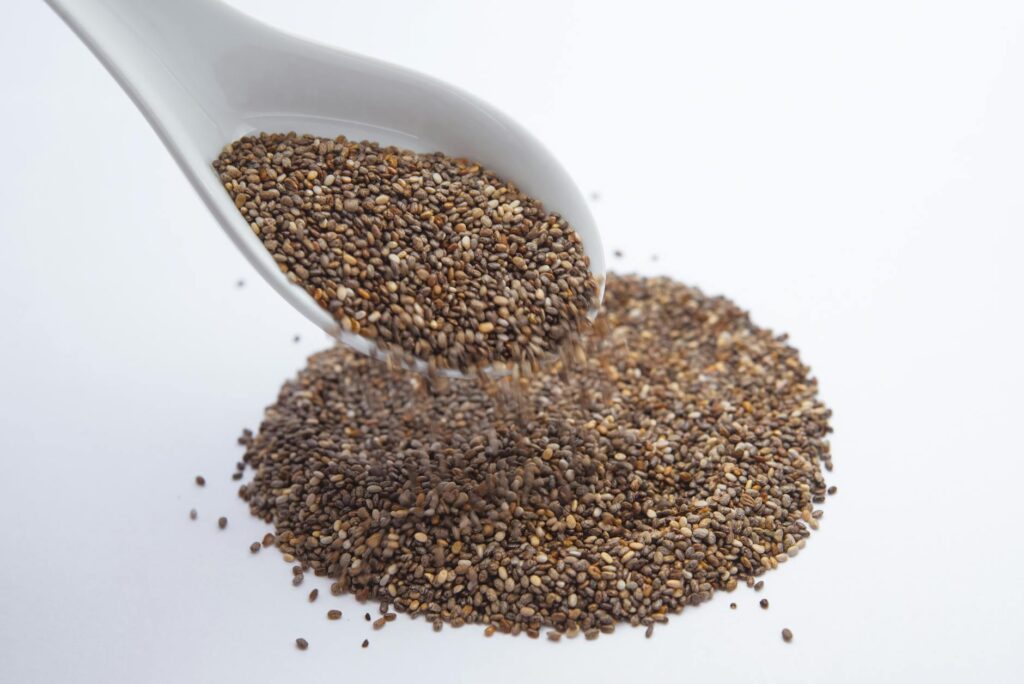
Chia Seeds Cultivation Explained
Introduction
Chia seeds, derived from the Salvia hispanica plant, have gained worldwide recognition for their nutritional benefits and versatility in culinary applications. As a key ingredient in various health foods, these tiny seeds have a rich history and a straightforward cultivation process that can be undertaken in diverse climates. This article delves into the intricacies of chia seed cultivation, providing essential insights into their history, production methods, quality standards, and practical considerations for both growers and consumers.
What Is Growing?
Growing, in the context of chia seeds, refers to the cultivation process of Salvia hispanica, which involves several stages: soil preparation, planting, nurturing, harvesting, and processing. Each stage requires specific knowledge about the plant’s needs to ensure optimal growth and seed quality. Factors such as climate, soil type, and water availability significantly influence the successful cultivation of chia seeds.
History and Origins
Chia seeds have a storied past that dates back to ancient Mesoamerican cultures. Initially cultivated by the Aztecs and Mayans, chia was a staple food that provided essential nutrients and energy for warriors. The word “chia” is derived from the Mayan word for “strength.” These ancient civilizations revered chia not only for its dietary benefits but also for its significance in rituals and trade.
Chia was largely forgotten with the advent of European colonization but saw a resurgence in popularity in the late 20th century, primarily due to an increasing interest in health foods and superfoods. Nowadays, chia seeds are cultivated in various countries, with major production centers in Mexico, Argentina, and Bolivia.
Production and Processing
The cultivation of chia seeds begins with selecting a suitable location. Chia plants thrive in well-drained, sandy loam soils and require a warm climate with temperatures ranging between 68°F to 86°F (20°C to 30°C). The planting process typically occurs in the spring, after the last frost.
Soil Preparation
Prior to planting, soil should be tested for pH and nutrient levels. Chia plants prefer slightly acidic to neutral soils (pH 6.0 to 7.0). Farmers often enrich the soil with organic matter to enhance fertility.
Planting
Chia seeds are usually sown directly into the soil, approximately 1/4 inch deep. The recommended seeding rate is about 10 to 20 pounds per acre, with rows spaced 30 to 36 inches apart. Proper spacing ensures adequate airflow and reduces the risk of diseases.
Cultivation
Chia plants require moderate watering, particularly during the germination phase. Once established, they are fairly drought-resistant. Regular weeding is essential to prevent competition for nutrients. Organic mulching can also be employed to retain soil moisture and suppress weeds.
Harvesting
Chia seeds are ready for harvest approximately 90 to 120 days after planting when the flowers bloom and the seed heads turn brown. Harvesting is typically performed manually or with specialized equipment to ensure minimal seed loss. The seeds are then separated from the chaff through a process called threshing.
Processing
After harvesting, chia seeds undergo cleaning and drying processes to remove impurities and reduce moisture content, ensuring a longer shelf life. Proper processing is crucial to maintain the seeds’ nutritional integrity and quality.
Quality and Grading
Quality and grading of chia seeds are essential for both producers and consumers. Factors influencing seed quality include:
- Size and Weight: High-quality chia seeds are usually uniform in size and heavier, indicating higher oil content.
- Color: Chia seeds can be either black or white; however, color does not significantly affect nutritional value.
- Purity: Seeds should be free from contaminants, including other seeds, dirt, and foreign materials.
- Moisture Content: Ideal moisture content for storage is below 8%. Higher moisture levels can lead to mold and spoilage.
- Source: Opt for chia seeds sourced from reputable producers who adhere to sustainable farming practices.
- Certification: Look for organic or non-GMO certifications, which can indicate higher quality and ethical production methods.
- Packaging: Seeds should be sold in airtight, opaque packaging to protect them from light and moisture, which can degrade quality.
- Price: While price can be an indicator of quality, it is essential to balance cost with the other factors mentioned above.
- Beverages: Chia seeds can be added to smoothies, juices, or infused drinks for added texture and nutritional value.
- Baking: Ground chia seeds can be used as a gluten-free flour alternative or as an egg substitute in vegan baking.
- Salads and Soups: They can be sprinkled on salads or added to soups for enhanced nutrition.
- Puddings: Soaked chia seeds form a gel-like consistency, making them popular in puddings and desserts.
Grading standards may vary by region, but obtaining certification from food safety organizations can enhance marketability and consumer trust.
Buying Considerations
When purchasing chia seeds, consumers should consider several factors to ensure they are buying high-quality products:
Uses and Applications
Chia seeds are incredibly versatile and can be incorporated into a variety of culinary applications. They can be consumed raw, soaked in liquid, or ground into flour. Common uses include:
The seeds are also gaining traction in the health food industry, where they are included in protein bars, snack foods, and fortified cereals.
Storage and Shelf Life
Chia seeds have a long shelf life when stored properly. They should be kept in a cool, dry place, away from direct sunlight. An airtight container is ideal to prevent exposure to moisture and air, which can lead to rancidity.
Generally, chia seeds can last up to two years if stored correctly. However, it is advisable to check for any off odors or changes in