
Chia Seeds Growing Guide Part 6
Introduction
Chia seeds, derived from the Salvia hispanica plant, have gained immense popularity as a superfood in contemporary diets. This guide delves into the various aspects of growing chia seeds, encompassing their history, production, quality assessments, and practical considerations. Understanding these elements is vital for anyone interested in cultivating chia seeds, whether for personal use or commercial purposes.
What Is Growing?
Growing refers to the process of cultivating plants from seeds, focusing on various stages from germination to maturity. In the case of chia seeds, this includes soil preparation, planting techniques, maintenance, harvesting, and post-harvest processing. Successful growing requires a comprehensive understanding of the plant’s needs, environmental conditions, and agricultural practices to maximize yield and quality.
History and Origins
Chia seeds have a rich history, tracing back thousands of years to the ancient civilizations of Mesoamerica. The Aztecs and Mayans revered chia seeds for their nutritional value and energy-boosting properties. They utilized these seeds in rituals and as a staple food source. The name “chia” comes from the Nahuatl word for “oily,” reflecting the seed’s high oil content.
After experiencing a decline in cultivation following the Spanish conquest, chia seeds have seen a resurgence in recent decades. With the growing interest in health foods and superfoods, chia seeds are now cultivated in various regions around the world, particularly in South America, Australia, and the United States.
Production and Processing
Cultivation Practices
Chia seeds thrive in well-drained, loamy soils with a pH level between 6 and 7. They prefer a warm climate, ideally with temperatures ranging from 70°F to 100°F (21°C to 38°C). The seeds are typically sown in late spring to early summer after the last frost.
Seed Preparation:
Before planting, chia seeds should be cleaned and dried to ensure they are free from contaminants. It is essential to select high-quality seeds from reputable sources to ensure good germination rates.
Sowing Techniques:
Seeds can be broadcasted or drilled into the soil at a depth of approximately 0.5 to 1 inch (1.3 to 2.5 cm). Spacing should be around 12 to 36 inches (30 to 91 cm) between rows, depending on the intended cultivation method.
Growing Conditions
Chia plants require consistent moisture levels, especially during their germination phase, which typically takes 7 to 14 days. Irrigation methods such as drip irrigation or furrow irrigation are common to maintain optimal moisture levels.
Once the plants are established, they require minimal maintenance. However, regular monitoring for pests and weeds is crucial. Common pests include aphids and spider mites, while weeds can compete for essential nutrients and water.
Harvesting
Harvesting chia seeds usually occurs when the flowers have dried and turned brown. This typically happens 90 to 120 days after planting. Farmers often use a sickle or specialized harvesting equipment to collect the mature seed heads.
After harvesting, the seeds should undergo a drying process to reduce moisture content, preventing mold and spoilage.
Quality and Grading
The quality of chia seeds can significantly impact their market value and consumer acceptance. Key quality parameters include:
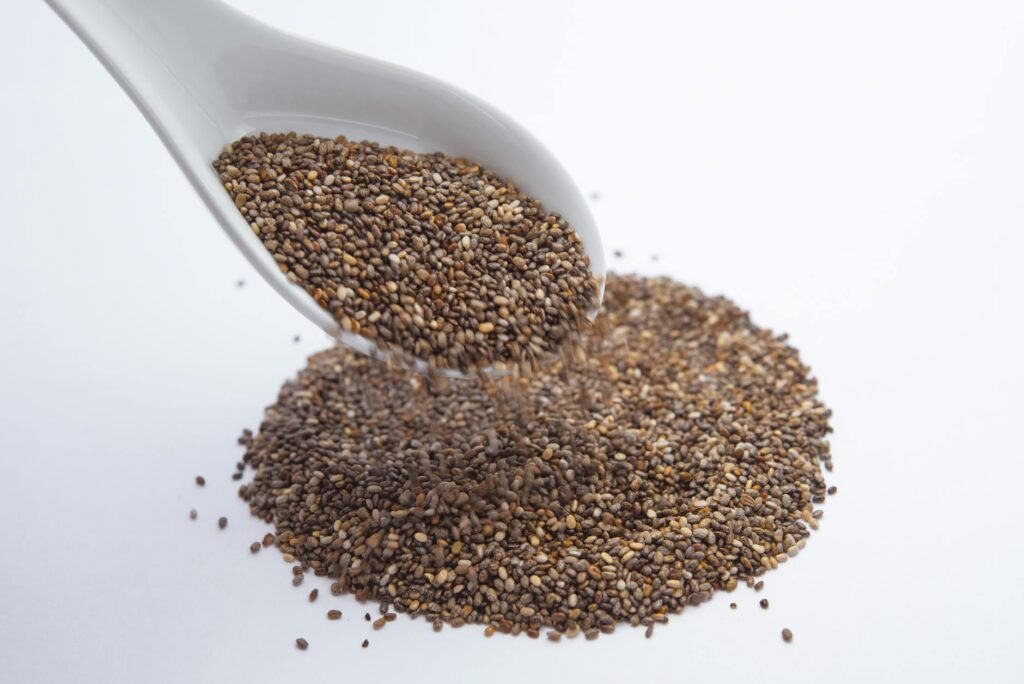
- Size and Color: High-quality chia seeds are typically uniform in size and exhibit a consistent color (black, white, or gray).
- Purity: Seeds should be free from contaminants such as soil, stones, and other plant materials.
- Germination Rate: A high germination rate indicates seed viability and is crucial for commercial production.
- Source: Opt for seeds from reputable suppliers who provide information about their sourcing and processing methods.
- Certification: Look for certifications such as organic or non-GMO, which can indicate higher quality and ethical farming practices.
- Packaging: Ensure the seeds are packaged in airtight containers to preserve freshness and prevent moisture absorption.
- Harvest Date: Check for the harvest date to ensure you are purchasing the freshest seeds available.
- Beverages: Chia seeds can be added to smoothies, juices, and health drinks for added nutrition.
- Baking: They can be incorporated into bread, muffins, and other baked goods, often serving as a binding agent or egg substitute in vegan recipes.
- Thickening Agents: Chia seeds can be used to thicken sauces, soups, and puddings due to their ability to absorb liquid and form a gel-like consistency.
- Myth: Chia Seeds Are a Complete Protein. While chia seeds contain a good amount of protein, they are
Grading Standards
Chia seeds are often graded based on their size, color, and overall quality. The grading systems may vary by region but typically follow guidelines set by agricultural authorities. Producers should adhere to these standards to ensure market competitiveness.
Buying Considerations
When purchasing chia seeds, whether for personal consumption or commercial use, several factors should be considered:
Uses and Applications
Chia seeds are incredibly versatile and can be used in various culinary applications. Their unique gelling properties make them an excellent ingredient for:
Beyond culinary uses, chia seeds are also utilized in the production of health supplements, protein powders, and snack bars, reflecting their broad appeal in the health food market.
Storage and Shelf Life
To maintain the quality of chia seeds, proper storage is essential. They should be kept in a cool, dark place, ideally in an airtight container to prevent exposure to moisture and light. When stored correctly, chia seeds can last up to two years without significant loss of nutritional value.
It is advisable to check for signs of spoilage, such as off odors or discoloration, before consumption.
Common Misconceptions
Several misconceptions surround chia seeds, often stemming from their rise to popularity as a superfood.