
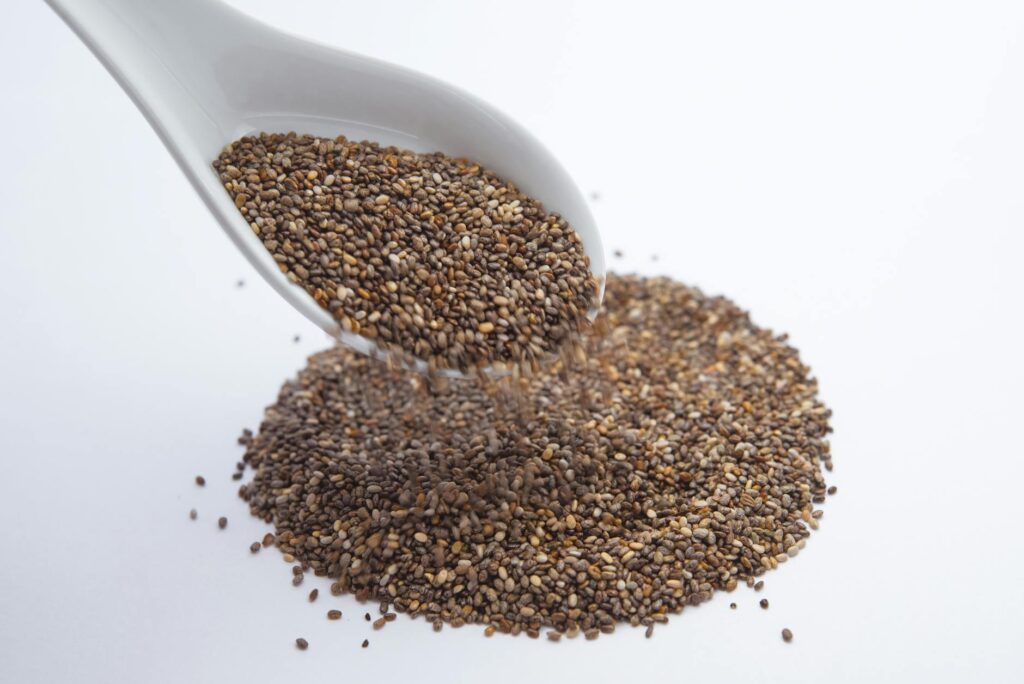
Chia Seeds in Traditional Cuisine
Introduction
Chia seeds, derived from the Salvia hispanica plant, have garnered attention in recent years for their nutritional benefits and versatility in modern cooking. However, their roots run deep in traditional cuisines, particularly among the indigenous cultures of Central and South America. This article delves into the multifaceted uses of chia seeds in traditional cuisine, exploring their historical significance, production methods, and contemporary applications.
What Is Uses?
In the context of food ingredients, “uses” refers to the various ways an ingredient can be incorporated into culinary practices, highlighting its versatility in preparation, flavor enhancement, texture improvement, and nutritional contribution. Chia seeds serve multiple roles in traditional cuisine, from being a staple food source to a functional ingredient in meals and beverages.
History and Origins
Chia seeds have a rich history that dates back to ancient civilizations, primarily the Aztecs and Mayans, who cultivated them as a vital food source. The word “chia” itself comes from the Mayan language, meaning “strength.” Historically, these seeds were not only consumed as a food but were also used as medicine, as a source of energy during long journeys, and even as currency.
The seeds are believed to have been an integral part of the diet of these cultures and were often mixed with water to create a gel-like substance, which served as a hydrating drink. With the arrival of the Spanish in the 16th century, chia cultivation declined, overshadowed by crops like wheat and corn. However, in recent decades, chia seeds have regained popularity, celebrated for their nutritional profile and versatility.
Production and Processing
Chia seeds are predominantly grown in regions with a warm climate, including Mexico, Argentina, and Bolivia. The cultivation process begins with the planting of chia seeds in well-drained soil, where they thrive in the summer months. Harvesting typically takes place in late summer or early fall when the seeds turn a dark brown or black color, indicating they are ready for collection.
Once harvested, chia seeds undergo minimal processing. They are cleaned, dried, and packaged without significant alteration, which helps retain their nutritional qualities. Unlike many other seeds, chia does not require oil extraction, making it an environmentally friendly food source.
Quality and Grading
The quality of chia seeds can vary based on several factors, including the growing conditions, harvesting methods, and processing techniques. High-quality chia seeds are typically larger, darker, and have a higher oil content, contributing to their nutritional benefits.
Grading systems may vary by region, but generally, chia seeds are categorized based on size, color, and purity. Premium seeds are often sold as “whole” or “raw,” while lower grades may be processed or mixed with other seeds. When sourcing chia seeds, it is essential to look for reputable suppliers who guarantee product quality and adhere to safety standards.
Buying Considerations
When purchasing chia seeds, several factors should be considered to ensure optimal quality and freshness. Look for:
1. Source: Preferably, choose seeds that are organically grown to avoid pesticides and ensure sustainability.
2. Packaging: Opt for vacuum-sealed packages that limit exposure to air and light, which can degrade the seeds over time.
3. Expiration Date: Check the expiration date to ensure freshness. Chia seeds have a relatively long shelf life, but it is prudent to consume them within a reasonable timeframe.
4. Color and Size: Premium chia seeds are typically black or dark brown and uniform in size. Avoid seeds that appear pale or inconsistent.
Uses and Applications
Chia seeds have a versatile range of uses in traditional cuisines, particularly in Central American culinary practices. Here are some of the primary applications:
1. Thickening Agent
In many traditional beverages, chia seeds are used as a natural thickening agent. When mixed with water, they absorb liquid and swell, creating a gel-like consistency. This property is utilized in drinks such as chia fresca, which combines chia seeds with water, lemon or lime juice, and sweetener.
2. Nutritional Supplement
Chia seeds are known for their high omega-3 fatty acid content, fiber, and protein. In traditional diets, they are often sprinkled over various dishes, including soups and salads, to enhance nutritional value. Their ability to provide sustained energy makes them an ideal food for laborers and athletes.
3. Cultural Rituals
In some indigenous cultures, chia seeds hold cultural significance. They are often included in traditional ceremonies and rituals, symbolizing life and fertility. The seeds are sometimes ground into a powder and used to create ceremonial foods.
4. Baking and Cooking
Chia seeds can be incorporated into baked goods, such as breads and pastries. They serve as a binding agent due to their gel-forming properties when hydrated. In traditional recipes, they are sometimes used as an egg substitute, making them suitable for vegan dishes.
5. Snack Foods
In many regions, chia seeds are consumed as a snack, often mixed with honey and nuts or incorporated into energy bars. Their crunchiness and nutty flavor make them a popular ingredient in various snack foods.
6. Traditional Confections
Chia seeds are sometimes used in traditional desserts and sweets, where they add texture and visual appeal. They can be found in puddings and layered desserts, contributing to both taste and presentation.
Storage and Shelf Life
Chia seeds have a long shelf life, typically lasting up to two years when stored properly. To extend their freshness, they should be kept in a cool, dark place, away from moisture and direct sunlight. Airtight containers are ideal for maintaining optimal conditions. While whole chia seeds have a longer shelf life, ground chia seeds should be consumed more quickly due to increased exposure to air.
Common Misconceptions
Despite their popularity, several