
Chia Seeds: Origins and Evolution
Introduction
Chia seeds have gained significant popularity in recent years, celebrated for their nutritional benefits and versatility in various culinary applications. These tiny, nutrient-dense seeds are not only a staple in health food markets but also hold a rich history that spans centuries. This article will delve into the origins and evolution of chia seeds, exploring their historical context, production methods, quality considerations, and their uses in modern cuisine.
What Is About?
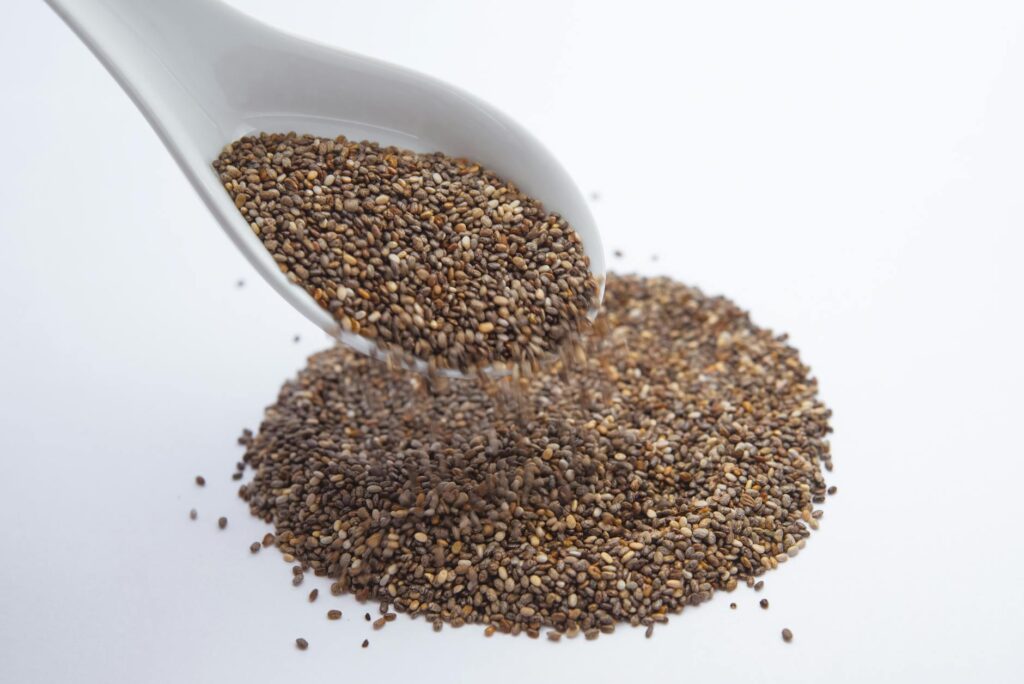
Chia seeds, scientifically known as Salvia hispanica, belong to the mint family and are native to Central and South America. The name “chia” comes from the Nahuatl word “chian,” which means oily, a reference to the seeds’ high oil content. These seeds are recognized for their remarkable ability to absorb water, swelling to create a gel-like substance, an attribute that has made them a popular ingredient in various food products.
History and Origins
Chia seeds have a storied past that dates back to the ancient civilizations of the Aztecs and Mayans. These cultures revered chia not only as a food source but also as a sacred element in religious rituals. The Aztecs utilized chia seeds for their energy-boosting properties, often consuming them before battles or long journeys. They also used chia as currency and in medicinal practices, highlighting its significance in their society.
Following the Spanish conquest in the 16th century, chia cultivation declined as European crops were introduced. However, interest in chia seeds resurfaced in the late 20th century, primarily driven by the health food movement. Today, chia seeds are cultivated in various regions worldwide, with significant production in countries like Mexico, Argentina, and Australia.
Production and Processing
Chia cultivation thrives in warm climates, requiring well-drained soil and ample sunlight. The seeds are harvested from the flowering plants, typically between late summer and early autumn. Once harvested, the seeds undergo a cleaning process to remove impurities. They are then dried and packaged for distribution.
Quality control is crucial during processing, as chia seeds can be susceptible to contamination if not handled properly. Organic farming practices are increasingly popular among chia producers, ensuring that the seeds are free from synthetic pesticides and fertilizers. This has contributed to the growing consumer preference for organic chia seeds in recent years.
Quality and Grading
The quality of chia seeds is determined by several factors, including size, color, and oil content. High-quality chia seeds are typically black or white, with both varieties offering similar nutritional profiles. The seeds should be free from debris and have a uniform appearance.
Grading systems for chia seeds may vary by region, but they generally consider the seed’s purity, moisture content, and oil quality. The best chia seeds have a high omega-3 fatty acid content, which is a key factor in their nutritional appeal. Consumers should look for certifications, such as organic or non-GMO, to ensure they are purchasing high-quality products.
Buying Considerations
When purchasing chia seeds, several factors come into play. First, consider the source of the seeds. Organic chia seeds are often preferred due to their environmentally sustainable farming practices. Additionally, it is advisable to buy seeds that are packaged in opaque containers to protect them from light and moisture, which can degrade their quality.
The size of the packaging can also influence freshness. Smaller packages may be more suitable for those who use chia seeds occasionally, while larger bags are ideal for frequent users. Always check for a “best by” date to ensure the seeds are fresh, as they can lose their nutritional value over time.
Uses and Applications
Chia seeds are remarkably versatile, finding their way into a variety of culinary applications. They can be consumed raw, soaked in liquid to create a gel, or ground into a flour for baking. Chia seeds are often added to smoothies, yogurt, salads, and baked goods, enhancing both texture and nutritional content.
In addition to their use as a food ingredient, chia seeds are increasingly being incorporated into non-food products. Their unique properties make them suitable for use in cosmetics and health supplements, where they are praised for their antioxidant and anti-inflammatory qualities.
Storage and Shelf Life
To maintain the freshness and nutritional quality of chia seeds, proper storage is essential. It is best to keep them in a cool, dry place, away from direct sunlight. An airtight container can help prevent moisture and light from degrading the seeds.
When stored correctly, chia seeds can last for up to two years. However, it’s advisable to periodically check for any off odors or changes in appearance, which can indicate spoilage. Once opened, it is recommended to consume chia seeds within six months to ensure optimal freshness.
Common Misconceptions
Despite their popularity, several misconceptions about chia seeds persist. One common myth is that chia seeds are a miracle food that can lead to rapid weight loss. While they are indeed a nutritious addition to a balanced diet, they are not a substitute for healthy eating habits and lifestyle choices.
Another misconception is that all chia seeds are the same. In reality, the nutritional profile can vary based on factors such as farming practices, soil quality, and processing methods. Consumers should be discerning when choosing chia seeds, opting for high-quality sources to maximize their benefits.
Frequently Asked Questions
1. Are chia seeds gluten-free?
Yes, chia seeds are naturally gluten-free, making them a suitable option for individuals with gluten intolerance or celiac disease.
2. Can I eat chia seeds raw?
Absolutely. Chia seeds can be consumed raw or soaked in liquid to enhance their digestibility and nutrient absorption.
3. How much chia seed should I consume daily?
While there is no specific recommended daily intake, a common suggestion is to consume 1-2 tablespoons (about 15-30 grams) per day as part of a balanced diet.
4. Do chia seeds need to be ground before consumption?
Ch