
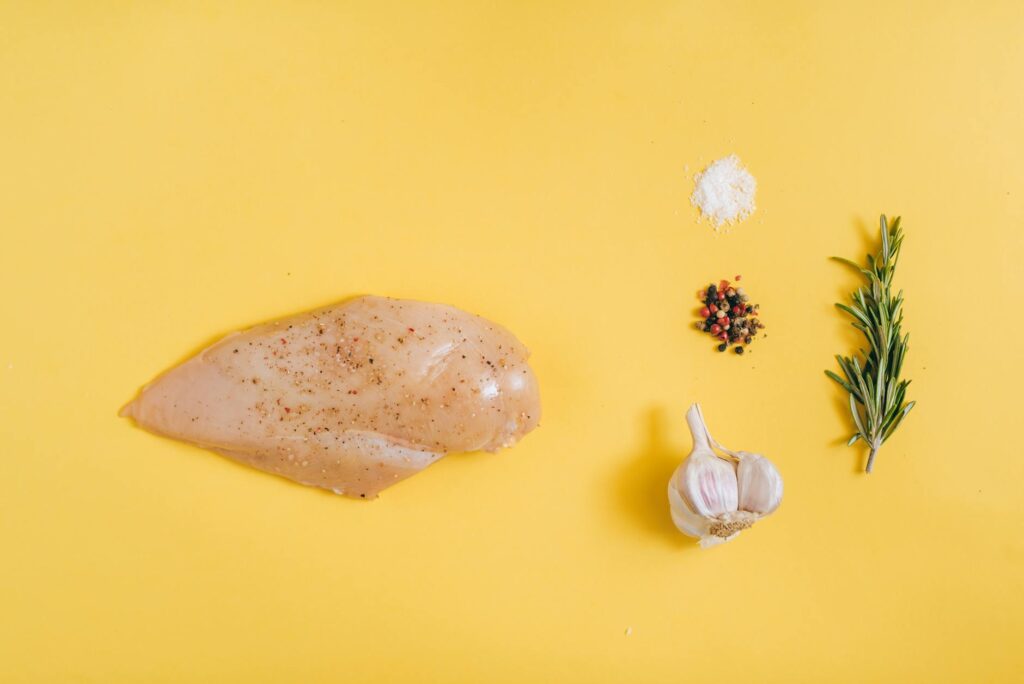
Chicken Buying Guide Part 6
Introduction
Chicken is a staple ingredient in kitchens around the world, renowned for its versatility, affordability, and nutritional value. However, the process of purchasing chicken can be daunting due to the myriad of options available. From whole birds to specific cuts, and organic labels to free-range certifications, understanding how to navigate the chicken market is essential for both home cooks and culinary professionals. This guide aims to demystify the buying process, providing insights into the history, production, quality, and more, to help you make informed purchasing decisions.
What Is Buying?
Buying, in the context of food ingredients, refers to the process of selecting and purchasing food items, ensuring that consumers acquire products that meet their quality expectations and culinary needs. For chicken, this involves understanding various factors such as the type of chicken, how it was raised, its freshness, and how it will be used in cooking. The buying process can significantly influence both the flavor and quality of the final dish, making it imperative for consumers to be well-informed.
History and Origins
Chicken has a rich history that dates back thousands of years, originating from the domestication of the red junglefowl in Southeast Asia around 8,000 years ago. Over centuries, chickens spread across the globe, adapting to various climates and cultures. By the time of the Roman Empire, chickens were a common source of food, valued for both their meat and eggs.
In modern times, the poultry industry has seen exponential growth, especially in the 20th century with the advent of industrial farming techniques. These advancements have made chicken one of the most consumed meats worldwide. Today, various breeds and production methods exist, catering to a diverse range of culinary preferences and ethical considerations.
Production and Processing
The production of chicken involves several stages, starting from breeding and hatching to raising and processing. Here’s an overview of these critical stages:
1. Breeding and Hatching: Chickens are bred for specific traits, such as growth rate, meat quality, or egg production. Hatcheries incubate fertilized eggs, which typically hatch after 21 days.
2. Raising: Chickens are raised in various environments, including conventional farms, free-range settings, and organic farms. The conditions under which chickens are raised can significantly impact their flavor and texture.
3. Processing: Once chickens reach market weight, they are transported to processing plants where they undergo slaughter and butchering. This process must adhere to strict food safety regulations to ensure the meat is safe for consumption.
4. Packaging and Distribution: After processing, chicken is packaged and distributed to retailers, restaurants, and consumers. Proper handling during this stage is crucial to maintain freshness and prevent contamination.
Understanding these stages can help consumers make informed choices regarding the chicken they purchase, as different production methods yield distinct flavor profiles and culinary qualities.
Quality and Grading
When buying chicken, quality is paramount. In many countries, chicken is graded based on various factors, including:
- Appearance: Fresh chicken should have a pale pink color and should be free of blemishes or discoloration.
- Texture: The meat should feel firm and moist, not slimy or dry.
- Odor: Fresh chicken has a mild, clean smell. Any off-putting odor is a sign that the meat may be spoiled.
- Roasting: Whole chickens are often roasted, yielding tender meat and flavorful drippings for sauces.
- Grilling: Chicken breasts, thighs, and wings are ideal for grilling, allowing for the infusion of marinades and spices.
- Braising and Stewing: Dark meat, such as thighs and drumsticks, holds up beautifully when braised or stewed, becoming tender and flavorful.
- Frying: Chicken can be deep-fried to create crispy skin and juicy meat, a popular dish in many cultures.
- Salads and Sandwiches: Cooked chicken can be shredded or diced for salads, sandwiches, or wraps, adding protein and flavor.
- Refrigeration: Fresh chicken can be stored in the refrigerator
In the United States, the USDA grades chicken as A, B, or C. Grade A indicates the highest quality, suitable for retail, while Grade B is often used for processed products. Grade C is rarely seen in stores, reserved for further processed items.
Additionally, labels such as “organic,” “cage-free,” and “free-range” can also indicate quality, as they often reflect the standards of animal husbandry and feed used in raising the chickens.
Buying Considerations
When purchasing chicken, several considerations should guide your choices:
1. Type of Chicken: Decide whether you want a whole chicken or specific cuts like breasts, thighs, wings, or drumsticks. Each cut has unique cooking properties and flavor profiles.
2. Production Method: Consider whether you prefer conventionally raised chicken or those raised under organic or free-range standards. Each method has distinct implications for animal welfare, flavor, and price.
3. Freshness: Always check the sell-by date or use-by date on the packaging. Fresh chicken should be consumed or frozen by this date to ensure safety and quality.
4. Packaging: Look for vacuum-sealed packaging, which helps maintain freshness. Avoid packages that appear bloated or are leaking, as this may indicate spoilage.
5. Source: Whenever possible, buy chicken from reputable suppliers. Local farms or specialty markets often provide higher-quality products with better transparency regarding their production practices.
Uses and Applications
Chicken is an incredibly versatile ingredient, suitable for a wide range of culinary applications:
Understanding the various uses of chicken can help you select the appropriate cuts and cooking methods for your culinary endeavors.
Storage and Shelf Life
Proper storage is critical in maintaining the quality and safety of chicken. Here are key points to consider: