
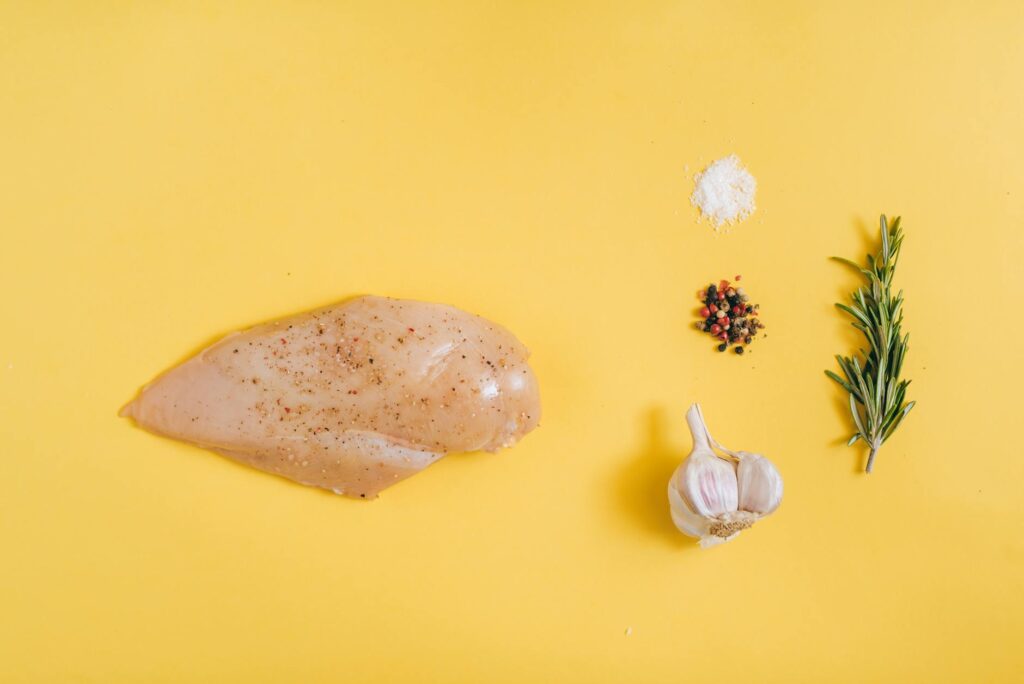
Chicken Buying Guide Part 7
Introduction
Chicken is one of the most versatile and widely consumed proteins globally, gracing tables in countless forms and flavors. Understanding how to buy chicken effectively can greatly enhance culinary experiences, ensuring that you select the best quality for your needs. This guide delves into the intricacies of buying chicken, providing insights into its history, production, quality grading, and more. By the end, you will be equipped with the knowledge to make informed choices, whether for everyday meals or special occasions.
What Is Buying?
Buying refers to the process of selecting and purchasing products that meet specific criteria, including quality, price, and suitability for intended use. In the context of chicken, this involves understanding various aspects such as the type of chicken, the source, freshness, and ethical considerations. A well-informed buying process ensures that consumers get the best value while supporting responsible farming practices.
History and Origins
The domestication of chickens can be traced back over 8,000 years, with origins believed to be in Southeast Asia. Initially valued for their eggs and feathers, chickens gradually became a staple protein source across cultures. Different regions have developed unique chicken breeds, each adapted to local environments and culinary traditions. The modern chicken industry has evolved significantly, particularly in the 20th century, with advancements in breeding, nutrition, and farming practices transforming chicken into one of the most important agricultural commodities worldwide.
Production and Processing
Modern chicken production is typically categorized into two types: conventional and organic. Conventional farming often involves large-scale operations where chickens are raised in controlled environments, focusing on efficiency and productivity. Conversely, organic farming emphasizes natural living conditions, without the use of synthetic pesticides, antibiotics, or genetically modified organisms (GMOs).
Once harvested, chicken undergoes several processing stages, including evisceration, chilling, and packaging. Maintaining strict hygiene protocols during processing is crucial to prevent contamination and ensure food safety. Understanding these stages can help consumers make informed choices about sourcing and purchasing, as well as the importance of selecting reputable suppliers.
Quality and Grading
In many countries, chicken is graded based on its quality, which can significantly influence purchasing decisions. Common grading systems include:
- Grade A: This grade is assigned to chickens that are plump, well-formed, and have a good amount of meat without any blemishes or deformities. They are ideal for retail, showcasing the best quality.
- Grade B: These chickens may have slight deformities and are generally used for processed products such as chicken nuggets, soups, and canned goods.
- Grade C: Often not sold in retail, Grade C chickens are typically used for further processing.
- Chicken Breasts: Ideal for grilling or sautéing due to their lean nature.
- Thighs and Drumsticks: Best suited for slow cooking, braising, or roasting, as they retain moisture and flavor.
- Whole Chickens: Perfect for roasting, yielding both meat and flavorful broth for soups.
- Refrigeration: Raw chicken should be stored in the refrigerator and consumed within 1-2 days. It should be kept in the coldest part of the fridge, ideally in its original packaging or in a sealed container.
- Freezing: For longer storage, chicken can be frozen. It is best to wrap it tightly in freezer-safe packaging to prevent freezer burn, which can affect taste and texture. Properly frozen chicken can last up to a year.
- Thawing: Always thaw chicken safely in the refrigerator, cold water, or the microwave. Do not leave chicken at room temperature, as this can encourage bacterial growth.
In addition to grading, consumers should pay attention to factors such as color, texture, and smell. Fresh chicken should have a pink hue, firm texture, and a neutral odor. Any signs of discoloration or off-putting smells may indicate spoilage.
Buying Considerations
When buying chicken, consider the following factors:
1. Type of Chicken: Decide between whole chickens, parts (breasts, thighs, wings), or specialty items like free-range or organic chicken. Each type has unique attributes and cooking methods.
2. Source: Look for local farms or reputable brands known for their ethical farming practices. Supporting local producers can ensure fresher products and contribute to sustainable agriculture.
3. Freshness: Always check the sell-by date and inspect the packaging for any signs of damage or leakage. Fresh chicken should be stored at a temperature below 40°F (4°C).
4. Packaging: Vacuum-sealed packaging can extend shelf life and minimize contamination. However, ensure that the packaging is intact and free from any tears.
5. Labeling: Pay attention to labels such as “organic,” “free-range,” or “antibiotic-free.” These terms can provide insight into the chicken’s quality and the farming practices involved.
6. Price: While it’s essential to consider budget, be wary of prices that seem too good to be true. Low-cost chicken may indicate poor farming practices or lower quality.
Uses and Applications
Chicken’s adaptability makes it a staple in various cuisines worldwide. It can be grilled, roasted, fried, or used in soups and salads. Understanding chicken’s various cuts and their best uses can help in meal planning. For example:
Additionally, chicken can be incorporated into diverse dishes, from stir-fries to hearty stews, making it a go-to ingredient for any meal.
Storage and Shelf Life
Proper storage is critical to maintaining the quality and safety of chicken:
Common Misconceptions
Several misconceptions surround chicken buying that can lead to poor purchasing decisions:
1. All Chicken Is the Same: Not all chicken is created equal. Differences in farming practices, breed, and processing can significantly affect quality and flavor.
2. Organic Chicken Is Always Healthier