
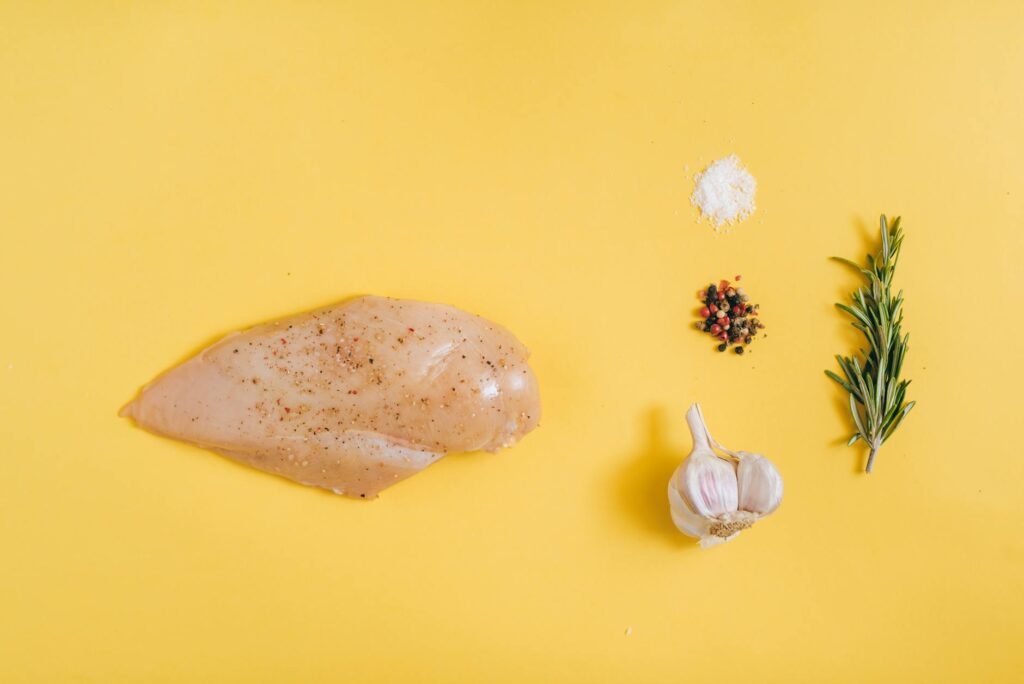
Chicken Growing Guide Part 6
Introduction
The journey from farm to table is a vital aspect of the culinary world, particularly when it comes to one of the most consumed proteins globally: chicken. Understanding the nuances of chicken growing is essential for consumers, chefs, and culinary enthusiasts alike. This guide explores the intricacies of chicken production, including its historical origins, processing techniques, quality standards, and more, offering a comprehensive overview of this critical ingredient in our diets.
What Is Growing?
Growing, in the context of chicken, refers to the entire process of raising chickens from hatchlings to maturity for the purpose of meat or egg production. This process involves various stages, including breeding, feeding, housing, and health management. Each stage has its own set of best practices aimed at ensuring the welfare of the birds and the quality of the end product.
The growth cycle of chickens typically ranges from 6 to 12 weeks, depending on the breed and the intended use, whether for meat (broilers) or eggs (layers). During this period, chickens undergo significant physical changes, necessitating careful attention to their environment, diet, and overall care.
History and Origins
The domestication of chickens traces back thousands of years, with evidence suggesting their origins in Southeast Asia, particularly in regions now part of Thailand and China. The red junglefowl, a wild ancestor of the domestic chicken, played a pivotal role in this process. Over centuries, selective breeding techniques were used to enhance desirable traits, such as size, egg production, and temperament.
By the time of the Roman Empire, chickens had spread throughout Europe, becoming a staple in many cultures. Today, the chicken is one of the most widely raised domestic animals, with a myriad of breeds tailored for specific purposes, from meat production to egg-laying. Understanding this rich history provides context for contemporary practices and the cultural significance of chicken in global cuisines.
Production and Processing
The production of chicken involves multiple phases, starting from breeding and incubation to raising and processing.
Breeding and Incubation
Breeding programs are designed to produce chickens that meet specific market demands. Breeders select for traits such as growth rate, feed efficiency, and disease resistance. Once fertilized eggs are laid, they are incubated under controlled conditions of temperature and humidity to ensure successful hatching.
Rearing
After hatching, chicks are typically kept in a brooder, a controlled environment that provides warmth and safety. During this critical growth phase, they are fed a specialized diet rich in nutrients to promote healthy development. As they grow, their housing conditions evolve, transitioning to larger spaces that accommodate their increasing size.
Processing
Once the chickens reach maturity, they are processed for meat or eggs. Processing involves humane slaughtering, feather removal, evisceration, and packaging. For meat products, the processing must adhere to stringent food safety standards to ensure quality and safety for consumers.
Quality and Grading
The quality of chicken is assessed through various grading systems, which evaluate factors such as appearance, texture, and fat content. In many countries, the USDA (United States Department of Agriculture) provides grading standards, categorizing chicken into classes such as Grade A, Grade B, and Grade C.
Grade A chicken is characterized by a firm texture, a good amount of meat with minimal defects, and a clean appearance. Grade B and C chickens may have slight imperfections but are still safe for consumption. Understanding these grading systems can help consumers make informed choices when purchasing chicken products.
Buying Considerations
When purchasing chicken, several factors should be considered to ensure quality and sustainability:
Freshness
Fresh chicken should be pinkish in color, with a fresh, clean smell. Avoid any products that have a grayish hue or a strong odor, which may indicate spoilage.
Source
Consider the source of the chicken. Look for products labeled as free-range, organic, or pasture-raised, which often indicate higher welfare standards for the animals.
Packaging
Examine the packaging for any signs of damage or leaks. Vacuum-sealed packaging is often preferable as it helps maintain freshness.
Labeling
Pay attention to labels that provide information about the chicken’s diet, living conditions, and whether it has been treated with antibiotics or hormones. Transparency in labeling can guide ethical and health-conscious decisions.
Uses and Applications
Chicken is a versatile ingredient utilized in myriad culinary applications. Its mild flavor and adaptability make it suitable for various cooking methods, including roasting, grilling, sautéing, and braising.
Meat
Chicken meat can be categorized into different parts, such as breasts, thighs, drumsticks, and wings, each offering unique textures and flavors. Boneless, skinless chicken breasts are popular for health-conscious consumers, while dark meat, such as thighs, tends to be juicier and more flavorful.
Eggs
Chicken eggs are also a significant product of chicken farming, widely used in cooking and baking. They are a source of protein and are essential in many culinary applications, ranging from omelets to cakes.
Storage and Shelf Life
Proper storage is crucial for maintaining the quality of chicken.
Refrigeration
Raw chicken should be stored in the refrigerator at temperatures below 40°F (4°C) and should be used within 1-2 days. Cooked chicken can be stored for 3-4 days in the refrigerator.
Freezing
For longer storage, chicken can be frozen. When properly wrapped, raw chicken can last up to 9 months in the freezer, while cooked chicken can last up to 4 months. Always ensure that chicken is thawed safely in the refrigerator or under cold running water before cooking.
Common Misconceptions
The world of chicken production is rife with myths and misconceptions.
Antibiotic Use
One common misconception is that all chickens are raised with antibiotics. In reality, many producers have adopted antibiotic-free practices, and regulations often