
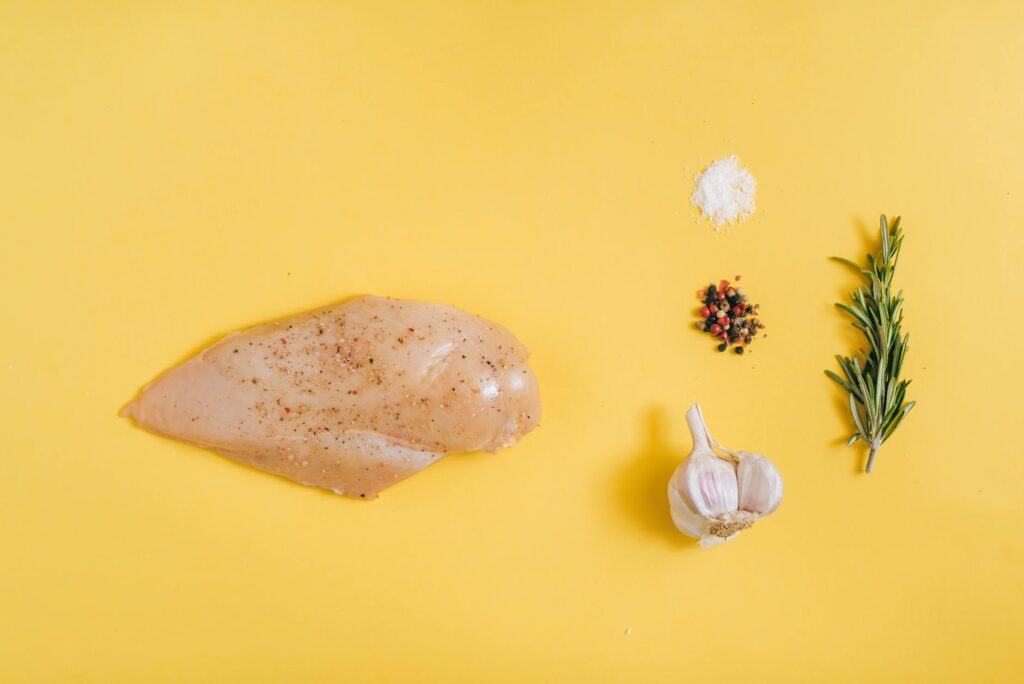
Chicken Regions Guide Part 7
Introduction
Chicken is one of the most widely consumed meats globally, offering versatility, flavor, and nutritional value. This guide delves into the diverse regions that produce chicken, examining their unique characteristics, historical significance, and production practices. Understanding these regions not only enriches culinary knowledge but also enhances the appreciation of chicken as a staple ingredient in various cuisines.
What Is Regions?
“Regions” in the context of chicken refers to the geographic areas that specialize in producing and processing chicken. Each region may have distinct breeds, production methods, and culinary traditions that influence the flavor, texture, and quality of the chicken produced. These regional differences arise from various factors, including climate, culture, and agricultural practices.
History and Origins
The domestication of chickens can be traced back approximately 8,000 years to Southeast Asia, with early evidence found in areas that are now parts of Thailand and Vietnam. Over centuries, chickens spread across the globe through trade and exploration, leading to the development of various breeds adapted to local climates and culinary preferences.
In the United States, chicken production began to take shape in the early 20th century. The advent of factory farming techniques in the mid-1900s revolutionized chicken production, making it more efficient and accessible. Today, major producers such as the United States, Brazil, and China dominate the global market, each contributing unique regional characteristics to the chicken available worldwide.
Production and Processing
Chicken production varies significantly across regions, influenced by local agricultural practices, consumer preferences, and regulations.
North America
In the United States, the poultry industry is highly industrialized, focusing on efficiency and scale. Major producers often employ an integrated production model, where the process from hatching to processing is controlled. This region is known for breeds like the Broiler, which is specifically raised for meat production. The U.S. also adheres to stringent safety and quality standards, ensuring that consumers receive a consistently high-quality product.
Europe
European chicken production is characterized by a focus on animal welfare and organic practices. Countries like France and the UK have a strong emphasis on free-range and organic chicken, appealing to health-conscious consumers. European regulations often require that chickens have access to outdoor spaces, contributing to the distinct flavor and texture of the meat.
Asia
In Asia, chicken plays a vital role in traditional cuisines. Countries like China and Thailand utilize specific breeds, such as the Silkies and native Thai chickens, which are favored for their unique flavors. Production methods vary, with some regions employing small-scale farming practices that emphasize sustainability and local consumption.
South America
Brazil is a global leader in chicken production, with a focus on export. Brazilian chicken is often raised in large-scale operations, benefiting from vast agricultural lands and favorable climate conditions. The region is known for its lower production costs, making Brazilian chicken a popular choice in global markets.
Quality and Grading
The quality of chicken varies by region and is often assessed through grading systems established by local agricultural departments. In the United States, for instance, chicken is graded into three categories: A, B, and C.
- Grade A: This grade signifies that the chicken is of the highest quality, with no deformities, good flesh quality, and a well-proportioned body.
- Grade B: These chickens may have minor blemishes or deformities but are still suitable for processing.
- Grade C: Often used for further processed products, these chickens may have significant defects.
- All Chicken Tastes the Same: This is false. Regional breeds and farming practices can significantly alter the flavor and texture of chicken.
- Organic Chicken is Always Hormone-Free: In many countries, the use of hormones in poultry production is already banned, making this claim somewhat misleading.
European countries typically have their own grading systems, focusing on factors such as animal welfare and organic certification, which can further influence the perceived quality of the chicken.
Buying Considerations
When purchasing chicken, several factors can influence your choice:
Freshness
Look for chicken that is firm to the touch, with a pinkish hue and no unpleasant odor. Fresh chicken should be stored at a proper temperature, and consumers should be aware of sell-by dates.
Sourcing
Consider the source of the chicken. Locally sourced chicken often has a shorter supply chain, which can mean fresher products. Additionally, organic or free-range options may offer higher quality and ethical production standards.
Processing
Be aware of how the chicken has been processed. Some brands may use additives or preservatives, while others focus on all-natural products. Reading labels can help consumers make informed choices aligned with their dietary preferences.
Uses and Applications
Chicken’s versatility makes it suitable for a wide array of culinary applications across various cultures. It can be grilled, roasted, sautéed, or stewed, adapting to both traditional and contemporary recipes. In Asian cuisines, chicken is often stir-fried or used in soups, while in Mediterranean regions, it may be marinated and grilled for a smoky flavor.
Additionally, chicken can be used in processed forms such as sausages, deli meats, and broth, further expanding its applications in the culinary world.
Storage and Shelf Life
Proper storage is crucial to maintaining chicken’s quality and safety. Fresh chicken should be stored in the refrigerator and consumed within 1-2 days of purchase. If not used promptly, it can be frozen for extended shelf life, typically up to 9 months for whole chickens and up to 6 months for cut pieces.
When thawing frozen chicken, it is best to do so in the refrigerator or in cold water, avoiding room temperature thawing to reduce the risk of bacterial growth. Cooked chicken can be stored in the refrigerator for up to 3-4 days and is best consumed or frozen within this timeframe.
Common Misconceptions
Despite chicken’s popularity, several misconceptions persist: