
Chickpea Flour Buying Guide Part 6
Introduction
Chickpea flour, also known as gram flour or besan, is a versatile ingredient derived from ground chickpeas. Its popularity spans continents, found in cuisines ranging from Indian to Mediterranean. This buying guide aims to provide a comprehensive understanding of chickpea flour, its origins, production processes, quality indicators, and practical considerations for consumers.
What Is Buying?
In the context of food ingredients, “buying” refers to the process of acquiring a product in a manner that ensures quality, authenticity, and value. For chickpea flour, this entails understanding its various forms, sourcing from reputable suppliers, and being aware of your specific culinary needs.
History and Origins
Chickpeas are one of the oldest cultivated crops, with archaeological evidence suggesting their use as far back as 7,500 years ago in the Middle East. The process of grinding chickpeas into flour emerged as a natural extension of their culinary applications. In India, besan has been a staple for centuries, while in Mediterranean regions, chickpea flour is integral to dishes like socca and panelle. This rich history not only shapes its culinary uses but also influences consumer expectations and preferences today.
Production and Processing
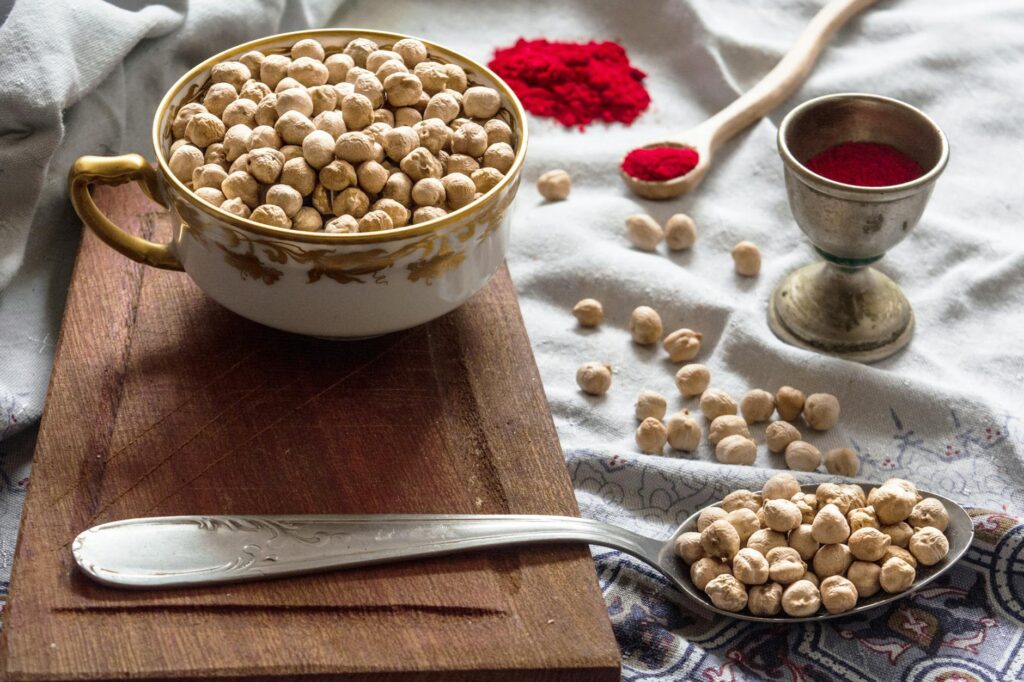
The production of chickpea flour begins with the selection of high-quality chickpeas, which can vary in type and color. The most common varieties are the desi and kabuli types, each offering distinct flavor profiles and nutritional benefits.
1. Harvesting and Cleaning: Chickpeas are harvested when fully mature. After harvesting, they undergo a cleaning process to remove impurities such as stones and dust.
2. Drying: Proper drying is crucial to prevent mold and ensure a longer shelf life. The chickpeas are typically sun-dried or mechanically dried to achieve optimal moisture content.
3. Grinding: Once dried, the chickpeas are ground into flour using traditional stone mills or modern industrial grinders. The grind size can vary, with finer flour suited for delicate applications and coarser flour ideal for rustic dishes.
4. Packaging: Proper packaging is essential for preserving freshness. Chickpea flour is often stored in airtight containers to prevent moisture absorption and oxidation.
Quality and Grading
The quality of chickpea flour can significantly impact its culinary performance. Here are some key factors to consider when assessing quality:
- Color: High-quality chickpea flour should have a consistent yellow to golden hue. Variations in color may indicate inferior quality or the presence of impurities.
- Texture: A fine, smooth texture is indicative of well-processed flour. Coarse flour may not work well in delicate recipes.
- Aroma: Fresh chickpea flour should have a pleasant, nutty aroma. A rancid or off-putting smell can indicate spoilage.
- Moisture Content: Excess moisture can lead to clumping and spoilage. Quality chickpea flour should have a low moisture content, ideally below 12%.
- Packaging Information: Look for labels that specify the source, processing date, and best-by date. Organic certifications may also be a consideration for some consumers.
- Source: Choose reputable suppliers, whether local stores or online retailers. It’s beneficial to research brands known for their quality standards.
- Type of Chickpea: Different chickpea varieties can yield flour with varying flavors and textures. Experimenting with various types may help you find the one that best suits your culinary applications.
- Packaging Size: Depending on your usage frequency, consider buying in bulk for better value or smaller packages for occasional use.
- Storage Conditions: Check for recommendations on how to store the flour after purchase. Proper storage is crucial for maintaining freshness.
- Price: While cost is an important factor, the cheapest option may not always be the best in terms of quality. Balance your budget with the desired quality.
- Baking: It serves as a gluten-free alternative in various baked goods, providing moisture and a unique flavor.
- Thickening Agent: In soups and sauces, chickpea flour can be used to thicken without adding gluten.
- Breading and Coating: It’s an excellent binder for fritters and can be used as a coating for frying, imparting a distinct taste.
- Pasta and Noodles: In some cultures, chickpea flour is used to make traditional pasta and noodles, adding nutritional value and flavor.
- Savory Dishes: It plays a key role in numerous savory dishes, including pancakes (like besan chilla) and fritters (like bhaji).
- Storage Conditions: Keep chickpea flour in a cool, dry place, away from direct sunlight. An airtight container is ideal to prevent moisture absorption and pest infestation.
- Shelf Life: When stored properly, chickpea flour can last for up to one year. However, always check for changes in smell, color, or texture before use, as these may indicate spoilage.
- Refrigeration: For longer shelf life, consider refrigerating or freezing chickpea flour. This can help maintain its freshness, especially in warmer climates.
Buying Considerations
When purchasing chickpea flour, several factors should guide your decision:
Uses and Applications
Chickpea flour is celebrated for its versatility. Here are some common applications:
Storage and Shelf Life
Proper storage is crucial for maintaining the freshness and quality of chickpea flour.
Common Misconceptions
Despite its widespread use, several misconceptions about chickpea flour persist:
1. All Chickpea Flour is the Same: There are different types of chickpeas and the resulting flour can vary significantly in flavor and texture. Not all chickpea flour is interchangeable.
2. Chickpea Flour is Only for Gluten-Free Cooking: While it is a popular gluten-free alternative, chickpea flour can also be used alongside other flours in a variety of recipes.
3. Chickpea