
Chickpea Flour FAQs Answered
Introduction
Chickpea flour, also known as besan or gram flour, is a versatile ingredient derived from ground chickpeas. This flour has gained global popularity due to its nutritional benefits, unique flavor, and adaptability in various culinary applications. This article aims to provide a comprehensive overview of chickpea flour, addressing common questions and misconceptions while exploring its history, production, uses, and storage.
What Is Chickpea Flour?
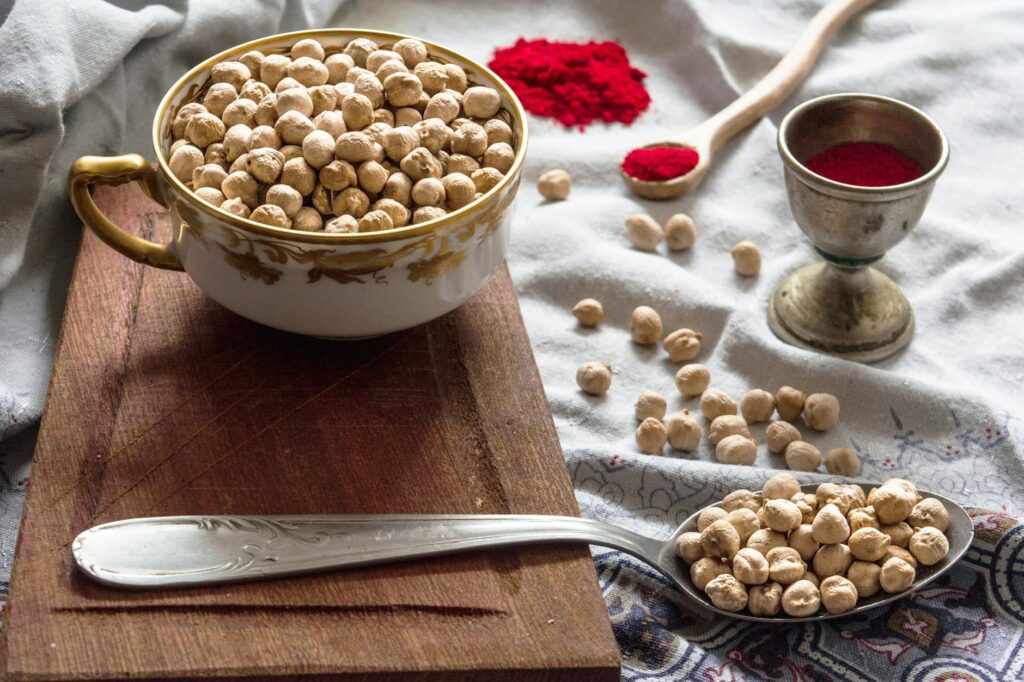
Chickpea flour is made from dried chickpeas that are ground into a fine powder. It is naturally gluten-free and rich in protein, fiber, and essential nutrients, making it a favored alternative to traditional wheat flour in many diets. The flour can vary in color from light beige to yellow, depending on the type of chickpeas used and the grinding process.
History and Origins
Chickpeas have been cultivated for thousands of years, with origins traceable to the Middle East and parts of the Mediterranean. Archaeological evidence suggests they were consumed as early as 7,000 years ago. Chickpea flour itself has a long history, particularly in South Asian and Middle Eastern cuisines, where it is used in various traditional dishes. Its introduction to Western cooking has expanded its use in everything from baked goods to gluten-free pasta and snacks.
Production and Processing
The production of chickpea flour involves several key steps:
1. Selection of Chickpeas: Different varieties of chickpeas, such as desi and kabuli, can be used. Desi chickpeas are smaller and darker, while kabuli chickpeas are larger and lighter.
2. Drying: The chickpeas are thoroughly dried to enhance shelf life and reduce moisture content.
3. Grinding: The dried chickpeas are milled into a fine powder. The fineness of the flour can vary based on the milling process, impacting texture and application.
4. Sifting: The ground chickpeas are sifted to achieve the desired consistency, separating finer flour from coarser particles.
5. Packaging: Finally, the flour is packaged in airtight containers to preserve its freshness and prevent contamination.
Quality and Grading
Quality chickpea flour is characterized by its flavor, aroma, and texture. Factors influencing quality include:
- Color: A uniform light beige to yellow color is preferred, indicating proper processing.
- Texture: Fine, smooth flour is ideal for most applications; coarser flour may be used for specific dishes.
- Odor: A neutral, pleasant aroma is indicative of fresh flour, while rancid smells may indicate spoilage.
- Baking: It serves as a gluten-free alternative in breads, cakes, and pastries.
- Thickening Agent: Often used in soups and sauces, it provides a creamy texture without the need for gluten.
- Pasta and Noodles: Chickpea flour is a popular ingredient in gluten-free pasta and noodles.
- Batter: It is commonly used in batters for frying vegetables and meats, giving a crispy texture.
- Snacks: Chickpea flour is a primary ingredient in many snacks, such as chips and crackers, due to its rich flavor.
- Cool, Dry Place: Store in a cool, dry environment away from heat and moisture to prevent spoilage.
- Airtight Containers: Use airtight containers to protect from contaminants and preserve freshness.
- Refrigeration: For extended shelf life, consider refrigerating or freezing the flour, especially in warmer climates.
Grading systems may vary by region, but high-quality chickpea flour is often labeled to indicate its grade, which can inform buyers about its intended use.
Buying Considerations
When purchasing chickpea flour, consider the following factors:
1. Source: Look for reputable brands that provide information on sourcing and production methods. Organic options may be preferable for those concerned about pesticides and additives.
2. Type of Chickpea: Be aware of the variety of chickpea used, as this can influence flavor and functionality.
3. Packaging: Opt for flour packaged in airtight containers to ensure freshness. Check for dates indicating production or expiration.
4. Texture: Depending on your intended use, choose between finely ground or coarser flour.
5. Certifications: If dietary restrictions are a concern, check for gluten-free certifications and allergen information.
Uses and Applications
Chickpea flour is incredibly versatile and can be utilized in various culinary applications, including:
Its nutritional profile makes it especially appealing for vegetarian and vegan diets, as it provides a significant protein source.
Storage and Shelf Life
To maintain the quality of chickpea flour, proper storage is essential:
Typically, chickpea flour can last up to six months in a pantry and up to a year when refrigerated. Always check for signs of spoilage, such as off odors or discoloration, before use.
Common Misconceptions
Chickpea flour is often surrounded by misconceptions. Here are a few clarified:
1. Not All Chickpea Flour is Gluten-Free: While chickpea flour is naturally gluten-free, cross-contamination can occur in processing facilities. Always check for certification.
2. Flavor Profile: Some believe chickpea flour has a strong, overpowering flavor. However, when used correctly, it can enhance dishes without dominating the taste.
3. Substitution Ratios: Many assume that chickpea flour can be directly substituted for wheat flour in a 1:1 ratio. However, due to differences in composition, adjustments may need to be made, especially in baking.
4. Nutritional Value: While chickpea flour is nutritious, it is not a complete protein on its own. Combining it with other flours or protein sources can enhance its benefits.
5. Culinary Use: