
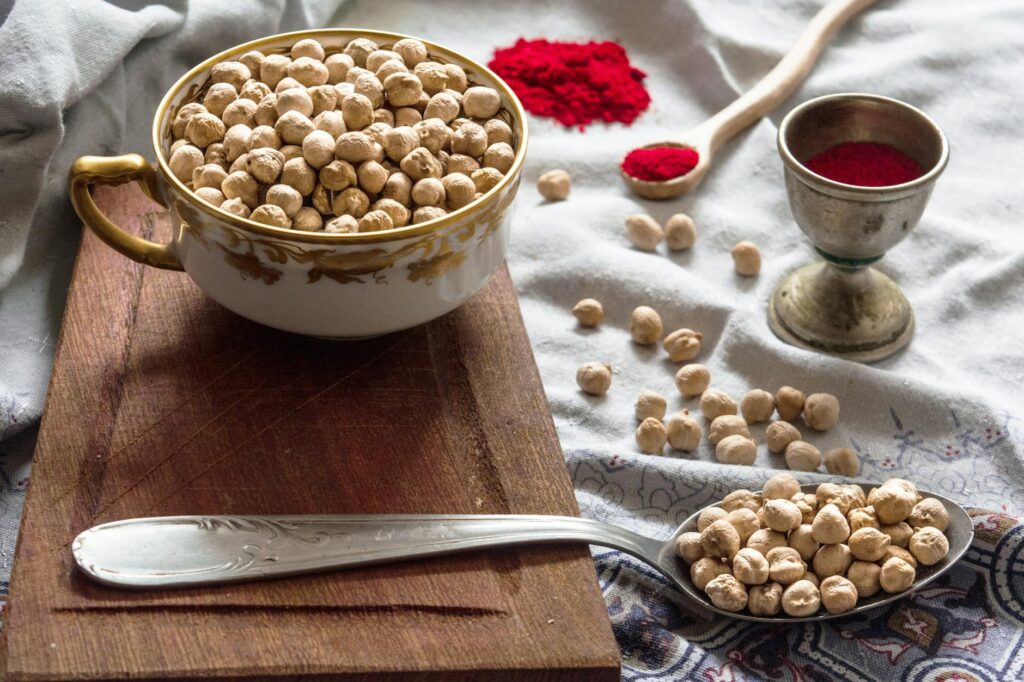
Chickpea Flour Growing Guide Part 7
Introduction
Chickpea flour, also known as gram flour or besan, is a staple ingredient in various culinary traditions, particularly in South Asian and Middle Eastern cuisines. This guide delves into the intricate details of growing chickpeas, the source of this versatile flour. By understanding its growth process, historical context, quality grading, and storage methods, one can appreciate the journey chickpea flour takes from farm to table.
What Is Growing?
Growing refers to the agricultural process of cultivating plants, which includes preparing the soil, planting seeds, nurturing the plants, and eventually harvesting them. In the case of chickpeas, the focus not only lies on the growth of the plants but also on understanding the environmental conditions, soil quality, and farming practices that contribute to a successful yield.
Chickpeas (Cicer arietinum) are legumes that thrive in warm climates and are often cultivated for their seeds, which are subsequently ground into flour. Understanding the growth cycle of chickpeas can enhance both the quality of the flour produced and the efficiency of the farming practices employed.
History and Origins
Chickpeas have a rich agricultural history that dates back over 7,000 years. Originally cultivated in the Near East, they are one of the oldest cultivated legumes in human history. Evidence suggests that chickpeas were domesticated in the Fertile Crescent, particularly in regions that encompass modern-day Turkey, Syria, and Palestine.
As a high-protein food source, chickpeas spread across various cultures and continents, adapting to different climates and agricultural practices. Their introduction to India and Asia transformed local cuisines, leading to the development of diverse dishes that utilize chickpea flour. Today, chickpeas are grown in many countries, including India, Australia, Turkey, and the United States, making them a globally significant crop.
Production and Processing
Cultivation
Chickpeas can be grown in two main varieties: desi and kabuli. Desi chickpeas are small, darker, and have a rough coat, while kabuli chickpeas are larger, lighter in color, and smoother. The choice of variety often depends on regional preferences and climate conditions.
Soil Preparation
Chickpeas prefer well-drained, sandy or loamy soils with a pH level between 6.0 and 7.0. Prior to planting, farmers typically conduct soil tests to assess nutrient levels and amend the soil accordingly. Incorporating organic matter, like compost or well-rotted manure, can enhance soil fertility.
Planting
Chickpeas are usually sown in the spring, once the risk of frost has passed. Seeds should be planted about 1 to 2 inches deep and spaced 6 to 8 inches apart to allow for adequate growth. The ideal temperature for germination ranges from 70°F to 85°F (21°C to 29°C).
Nurturing
During the growing season, chickpeas require moderate watering, especially during flowering and pod formation. However, overwatering can lead to root rot. Pest management is also crucial, as common pests include aphids and root-eating nematodes. Organic methods, such as introducing beneficial insects or using neem oil, can help manage these threats.
Harvesting
Chickpeas typically require 90 to 100 days to mature. Harvesting occurs when the plants turn yellow and the pods begin to dry. Farmers generally use a combine harvester to collect the chickpeas, ensuring minimal damage to the seeds.
Processing into Flour
Once harvested, the chickpeas must be cleaned and dried before being ground into flour. The drying process ensures that the moisture content is sufficiently low to prevent spoilage. Once dried, the chickpeas are ground into a fine flour, which can then be packaged for distribution.
Quality and Grading
The quality of chickpea flour is determined by several factors, including the cleanliness of the flour, its color, and its protein content. Grading systems may vary by region, but generally, chickpea flour is categorized based on these attributes:
- Grade A: High-quality flour with a fine texture, light color, and high protein content.
- Grade B: Moderate quality with slightly coarser texture and varying color.
- Grade C: Lower quality, often used for industrial applications rather than culinary use.
- Baking: Chickpea flour can be used in gluten-free baking, providing a unique flavor and dense texture to breads and pastries.
- Thickening Agent: It serves as an excellent thickener for soups and sauces.
- Battering: Chickpea flour is often used in batters for frying vegetables and meats, particularly in Indian and Middle Eastern dishes.
- Pasta: Chickpea flour can be blended with other flours to create nutritious pasta options.
- Snacks: It is frequently used in making savory snacks like bhajis and fritters.
When purchasing chickpea flour, it is essential to consider these grading standards to ensure the desired quality for culinary applications.
Buying Considerations
When selecting chickpea flour, various factors should be taken into account:
1. Source: Preferably choose flour sourced from reputable suppliers who practice sustainable farming and prioritize quality.
2. Storage: Check the packaging for proper storage recommendations, as moisture can compromise the flour’s quality.
3. Freshness: Look for a production or expiration date to ensure you are purchasing fresh flour.
4. Texture and Color: Opt for fine, light-colored flour, as this typically indicates higher quality.
5. Organic Certification: If possible, choose organic chickpea flour to avoid chemicals and pesticides.
Uses and Applications
Chickpea flour is incredibly versatile and can be used in various culinary applications. Some common uses include:
Storage and Shelf Life
Proper storage is crucial for maintaining the quality of chickpea flour