
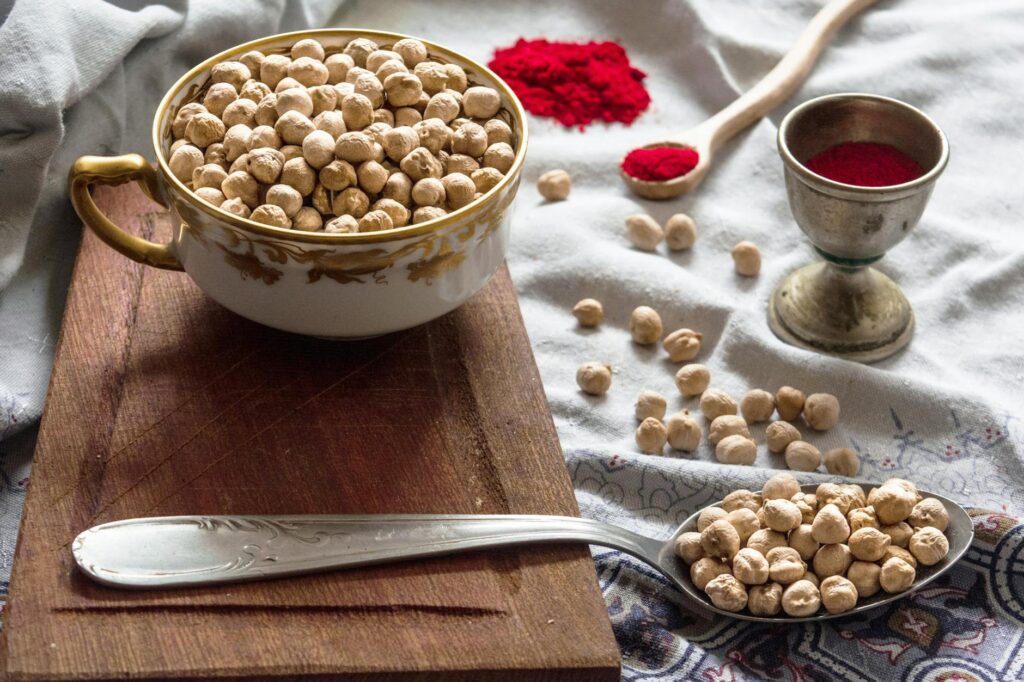
Chickpea Flour Myths and Misconceptions
Introduction
Chickpea flour, also known as gram flour or besan, has gained considerable popularity in recent years due to its versatility and nutritional profile. Used extensively in various cuisines around the world, it is often touted as a gluten-free alternative to traditional wheat flour. However, alongside its rise in popularity, numerous myths and misconceptions have emerged, clouding the understanding of this valuable ingredient. This article aims to dispel these myths by providing an authoritative overview of chickpea flour, its history, production, uses, and common misconceptions.
What Is Guides?
In the realm of food ingredients, “Guides” serve as comprehensive resources designed to educate consumers, chefs, and food enthusiasts about specific ingredients. They provide insights into the characteristics, uses, and nuances of various ingredients, thus enhancing culinary knowledge and expertise. The guide on chickpea flour will delve into its various aspects, ensuring that readers have a well-rounded understanding of this ingredient.
History and Origins
Chickpeas (Cicer arietinum) are among the oldest cultivated legumes, with a history that dates back over 7,000 years. Originating in the Middle East, they spread to various parts of the world, including the Mediterranean, India, and North Africa. Chickpea flour itself has deep roots in Indian cuisine, where it is known as besan and is a staple in many traditional dishes.
The use of chickpea flour in cooking can be traced back centuries, primarily for its nutritional benefits and versatility. Its rich protein content and ability to absorb flavors have made it a favored ingredient in various culinary traditions, from falafel in the Middle East to socca in France.
Production and Processing
Chickpea flour is produced by grinding dried chickpeas into a fine powder. The process involves several key steps:
1. Selection of Chickpeas: High-quality, mature chickpeas are selected for milling. Varieties may differ based on region and desired characteristics.
2. Cleaning and Sorting: The chickpeas undergo a thorough cleaning process to remove impurities and stones. Sorting ensures uniformity in size and quality.
3. Roasting (optional): Some producers choose to lightly roast the chickpeas before milling to enhance flavor and aroma. This step is common in Indian cuisine.
4. Milling: The cleaned chickpeas are then ground into flour using stone or industrial mills, depending on the scale of production.
5. Sifting: The flour is sifted to achieve the desired fineness, ensuring consistency in texture.
Quality and Grading
The quality of chickpea flour can vary significantly depending on several factors, including the type of chickpeas used, the milling process, and the storage conditions. Key quality indicators include:
- Color: High-quality chickpea flour is typically light yellow to beige in color. Any dark spots may indicate inferior quality or improper storage.
- Texture: The flour should have a fine, powdery consistency. Coarser flour may not yield the same results in recipes.
- Taste and Aroma: Freshly milled chickpea flour has a nutty flavor and a pleasant aroma. Stale flour will have a rancid smell and off-taste.
- Baking: Chickpea flour can be used in bread, pancakes, and muffins, often in combination with other flours for improved texture.
- Batter: It serves as an excellent base for batters, such as those used for fritters or tempura, providing a crisp coating.
- Thickening Agent: In soups and sauces, chickpea flour can be used as a natural thickener, imparting a subtle flavor.
- Savory Dishes: It is a key ingredient in dishes like socca, dosa, and various Indian snacks, offering a nutty taste and hearty texture.
- Nutritional Supplements: Due to its high protein and fiber content, chickpea flour is often incorporated into smoothies and health-focused recipes.
- While chickpea flour is naturally gluten-free, cross-contamination can occur during processing. Always check for gluten-free certifications if you have gluten sensitivities.
Grading systems may vary by region, but consumers should always look for flour from reputable brands that adhere to quality standards.
Buying Considerations
When purchasing chickpea flour, several considerations can enhance the quality of your selection:
1. Source: Opt for reputable brands or local producers known for quality chickpeas. Organic options may offer additional benefits.
2. Packaging: Choose flour that is packaged in airtight containers to prevent moisture absorption and rancidity.
3. Date of Production: Check for the milling date to ensure freshness. Ideally, purchase flour that has been milled recently.
4. Texture Preference: Depending on your intended use, you may prefer coarser or finer flour. Consider your recipes and select accordingly.
5. Storage Recommendations: Look for storage instructions on the packaging. Proper storage can extend shelf life and maintain quality.
Uses and Applications
Chickpea flour is a versatile ingredient with a wide array of culinary applications. Its rich protein content makes it an excellent choice for various diets, especially vegetarian and vegan ones. Some common uses include:
Storage and Shelf Life
To maintain the quality of chickpea flour, proper storage is essential. When stored in an airtight container in a cool, dark place, chickpea flour can last for several months. Refrigeration can extend its shelf life even further, especially in warmer climates where oils in the flour may become rancid more quickly. Always check for signs of spoilage, such as an off smell or discoloration, before use.
Common Misconceptions
Despite the numerous benefits of chickpea flour, several myths persist that can mislead consumers:
1. Myth: Chickpea Flour is Gluten-Free
2