
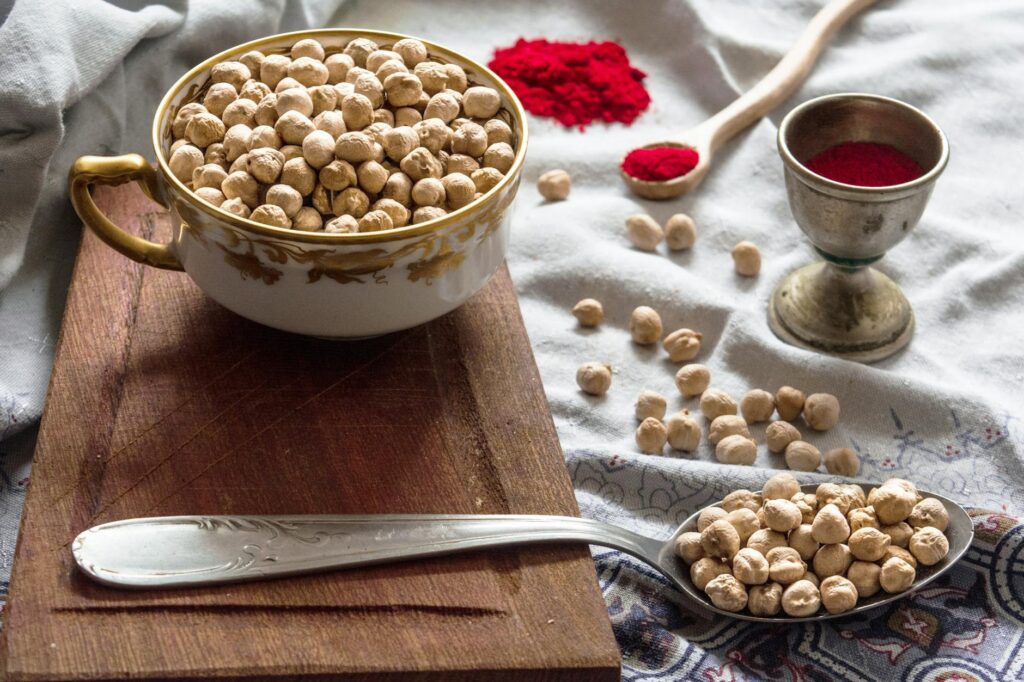
Chickpeas About Guide Part 6
Introduction
Chickpeas (Cicer arietinum), also known as garbanzo beans, are a versatile legume cherished across various cultures for their distinct flavor, nutritional benefits, and adaptability in numerous culinary applications. As a staple in diets worldwide, chickpeas offer more than just sustenance; they are steeped in rich history and cultural significance. This guide aims to provide a comprehensive overview of chickpeas, covering their origins, production processes, quality standards, and much more.
What Is About?
The “About” section of a food ingredient serves as an informative repository, detailing key aspects that contribute to its identity and relevance in culinary practices. For chickpeas, this encompasses their botanical characteristics, nutritional profile, and cultural importance, as well as practical considerations like production, quality grading, and storage. Understanding the “About” of chickpeas enables consumers, chefs, and food enthusiasts to appreciate this ingredient at a deeper level, facilitating informed choices in both culinary and purchasing contexts.
History and Origins
Chickpeas have a long and storied history that dates back thousands of years. Archaeological evidence suggests that they were first cultivated in the Middle East around 7,500 years ago, with the earliest known domesticated varieties found in modern-day Turkey. From there, the popularity of chickpeas spread to other regions, including the Mediterranean, North Africa, and South Asia.
Throughout history, chickpeas have been a vital source of protein for vegetarians and those in agrarian societies. Ancient civilizations, such as the Romans and Greeks, recognized their nutritional value, incorporating them into various dishes. Today, chickpeas are cultivated in numerous countries, including India, Australia, Turkey, and the United States, making them a staple in many global cuisines.
Production and Processing
Chickpeas are primarily cultivated in warm climates, thriving in well-drained soil and requiring moderate rainfall. The cultivation process begins with seed selection, followed by soil preparation and planting. Farmers often utilize crop rotation and intercropping strategies to maximize yield and maintain soil health.
Once harvested, chickpeas undergo several processing stages. These may include drying, cleaning, and sorting to remove impurities. The most common types of chickpeas are the desi and kabuli varieties; desi chickpeas are smaller, darker, and have a rough texture, while kabuli chickpeas are larger, lighter in color, and smoother. Processing methods may also involve roasting or grinding into flour, allowing for diverse culinary applications.
Quality and Grading
Quality and grading standards for chickpeas are crucial in ensuring that consumers receive a product that meets their expectations. Various factors influence chickpea quality, including size, color, and the absence of defects. In many countries, grading is regulated by agricultural standards, which categorize chickpeas based on size and quality attributes.
Typically, the grading system classifies chickpeas into different sizes, with larger, uniform seeds being more desirable. The most common classifications include “number 1” (highest quality), “number 2,” and “number 3,” with the first category representing the least defects and the best appearance.
Buying Considerations
When purchasing chickpeas, several factors should be taken into account to ensure quality and freshness. First, consider the type of chickpeas you need—whether dried, canned, or flour. Dried chickpeas offer a longer shelf life and versatility but require soaking and cooking, while canned chickpeas provide convenience and immediate use.
Examine packaging for information on the origin, quality grading, and expiration date. Opt for products that are free from additives and preservatives for the best flavor and nutritional value. Additionally, consider purchasing from reputable brands or local suppliers who prioritize quality and sustainability.
Uses and Applications
Chickpeas are incredibly versatile and can be used in a wide array of culinary applications. In Mediterranean cuisine, they are the star ingredient in dishes like hummus and falafel. In Indian cooking, chickpeas are often featured in curries and stews, such as chana masala. They can also be roasted for a crunchy snack or ground into flour for gluten-free baking.
Beyond traditional uses, chickpeas have found a place in modern culinary innovation. Chefs experiment with chickpea flour in pasta, pancakes, and even desserts, highlighting their potential as a nutritious alternative to wheat flour. Additionally, chickpeas can be added to salads, soups, and grain bowls, enriching meals with protein and fiber.
Storage and Shelf Life
Proper storage is essential for maintaining the quality and longevity of chickpeas. Dried chickpeas should be kept in a cool, dark place in an airtight container to protect them from moisture and pests. When stored correctly, they can last for up to two years.
Canned chickpeas, once opened, should be refrigerated and consumed within three to four days. Unopened cans typically have a shelf life of several years, but it is advisable to check the expiration date on the packaging.
Common Misconceptions
Despite their popularity, several misconceptions about chickpeas persist. One common myth is that chickpeas are solely a vegetarian or vegan ingredient. While they are indeed a valuable protein source for plant-based diets, chickpeas are also enjoyed by omnivores and are used in various traditional meat-based dishes.
Another misconception is that chickpeas are bland or uninteresting. In reality, their flavor profile is mild and nutty, making them an excellent vehicle for a wide range of spices and seasonings. The versatility of chickpeas allows them to absorb flavors from other ingredients, enhancing the overall taste of a dish.
Frequently Asked Questions
1. What are the nutritional benefits of chickpeas?
Chickpeas are rich in protein, dietary fiber, vitamins, and minerals. They are particularly high in folate and iron, making them a nutritious choice for various dietary needs.
2. Are chickpeas gluten-free?
Yes, chickpeas are naturally gluten-free