
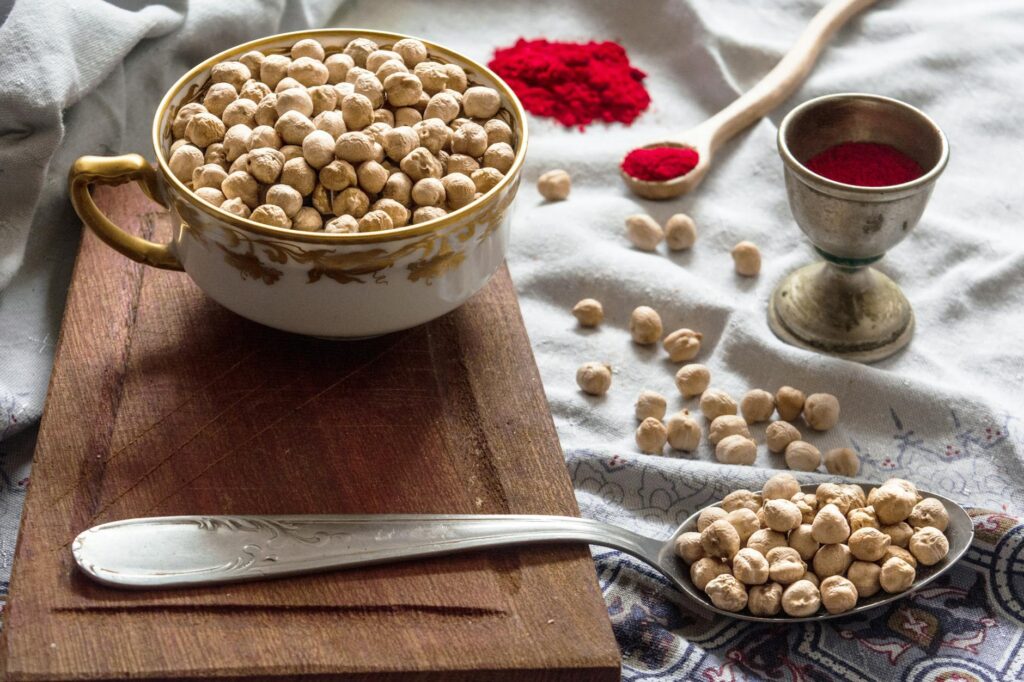
Chickpeas Cultivation Explained
Introduction
Chickpeas, also known as garbanzo beans, are a staple in various global cuisines, cherished not only for their nutritional benefits but also for their versatility in cooking. The cultivation of chickpeas is a fascinating process that combines agricultural practices, environmental considerations, and an understanding of the plant’s unique characteristics. This article delves into the intricacies of chickpea cultivation, exploring its history, production methods, quality assessment, and more.
What Is Growing?
Growing refers to the agricultural practices involved in cultivating crops from seeds through to harvest. In the context of chickpeas, it encompasses everything from soil preparation and planting to care throughout the growing season and eventual harvesting. Successful chickpea cultivation requires knowledge of the plant’s growth requirements, including climate, soil type, and management practices.
History and Origins
Chickpeas have a rich history that dates back thousands of years. Archaeological findings suggest that they were among the first legumes cultivated by humans, with origins traced to the Middle East, particularly in regions that are now part of Turkey and Syria. Evidence indicates that chickpeas were cultivated as early as 7,500 years ago.
Over centuries, they spread to various parts of the world, becoming integral to cuisines in regions such as the Mediterranean, India, and North Africa. The adaptability and nutritional value of chickpeas contributed to their widespread acceptance, making them a vital crop in many agricultural systems. Today, countries such as India, Australia, and Turkey are among the largest producers of chickpeas.
Production and Processing
Growing Conditions
Chickpeas thrive in a variety of climates but prefer a semi-arid environment. They require well-drained soil with a pH level between 6.0 and 7.5. Ideal temperatures for growth range from 18 to 30 degrees Celsius (65 to 86 degrees Fahrenheit). They are drought-tolerant and can withstand periods of low moisture, making them a suitable crop for regions with limited water resources.
Planting and Care
Chickpeas are typically sown in the spring or fall, depending on the climate. The seeds are planted about 2 to 5 centimeters deep in rows spaced 30 to 45 centimeters apart. As the plants grow, they require minimal intervention, as they are relatively pest-resistant. However, farmers may employ crop rotation and intercropping strategies to enhance soil health and optimize yields.
Water management is crucial, particularly during the flowering and pod formation stages. While chickpeas are drought-resistant, adequate moisture leads to better yields and quality. Fertilization is generally minimal, as chickpeas have the ability to fix nitrogen in the soil, reducing the need for additional nitrogen sources.
Harvesting
Chickpeas are typically ready for harvest about 100 to 140 days after planting. Harvesting is done when the pods turn brown and dry, indicating that the seeds inside have matured. Mechanical harvesters are commonly used on larger farms, while smaller farms may resort to manual harvesting. Post-harvest, chickpeas are cleaned and dried to reduce moisture content, ensuring better storage and shelf life.
Quality and Grading
The quality of chickpeas is assessed based on several factors, including size, color, and the absence of defects. Grading is essential for marketability, with different classifications based on these criteria. In the U.S., chickpeas are typically graded as:
- Grade No. 1: Uniform size and color, free from defects.
- Grade No. 2: Slightly varied in size or color, with some minor defects.
- Grade No. 3: More significant variations and defects.
Quality assessment is crucial for ensuring that consumers receive a product that meets their expectations. Factors like moisture content and the presence of foreign materials are also considered in the grading process.
Buying Considerations
When purchasing chickpeas, consumers should consider several factors to ensure they are selecting high-quality products:
1. Type: There are two primary types of chickpeas: Desi and Kabuli. Desi chickpeas are smaller and darker, while Kabuli chickpeas are larger and lighter in color. Understanding the type can influence cooking and culinary applications.
2. Packaging: Opt for chickpeas that are securely packaged to prevent moisture and pest contamination. Bulk purchases should be stored properly to maintain quality.
3. Origin: Knowing where the chickpeas are sourced can provide insights into their quality and sustainability. Regions with established agricultural practices may yield better results.
4. Organic Certification: For those concerned about agricultural practices, selecting certified organic chickpeas can ensure that the beans were grown without synthetic fertilizers or pesticides.
5. Storage Conditions: Buying chickpeas from retailers that maintain proper storage conditions can enhance their shelf life and quality.
Uses and Applications
Chickpeas are incredibly versatile, finding applications across various culinary traditions. They can be cooked whole, ground into flour, or processed into products such as hummus and falafel. Rich in protein, fiber, and essential nutrients, chickpeas serve as a nutritious base for salads, soups, and stews.
In addition to culinary uses, chickpeas play a significant role in sustainable agriculture. Their ability to fix nitrogen in the soil makes them valuable in crop rotation systems, improving soil fertility and reducing the need for chemical fertilizers.
Storage and Shelf Life
Proper storage of chickpeas is essential to maintain their quality and extend their shelf life. Dried chickpeas can be stored in a cool, dry place in airtight containers for up to two years if kept away from moisture. Once cooked, chickpeas should be refrigerated and consumed within a week or frozen for longer preservation.
For canned chickpeas, it is advisable to check expiration dates and store unopened cans in a cool, dark place. Once opened, canned chickpeas should be transferred to a container and refrigerated, where they can last for about three to four days.