
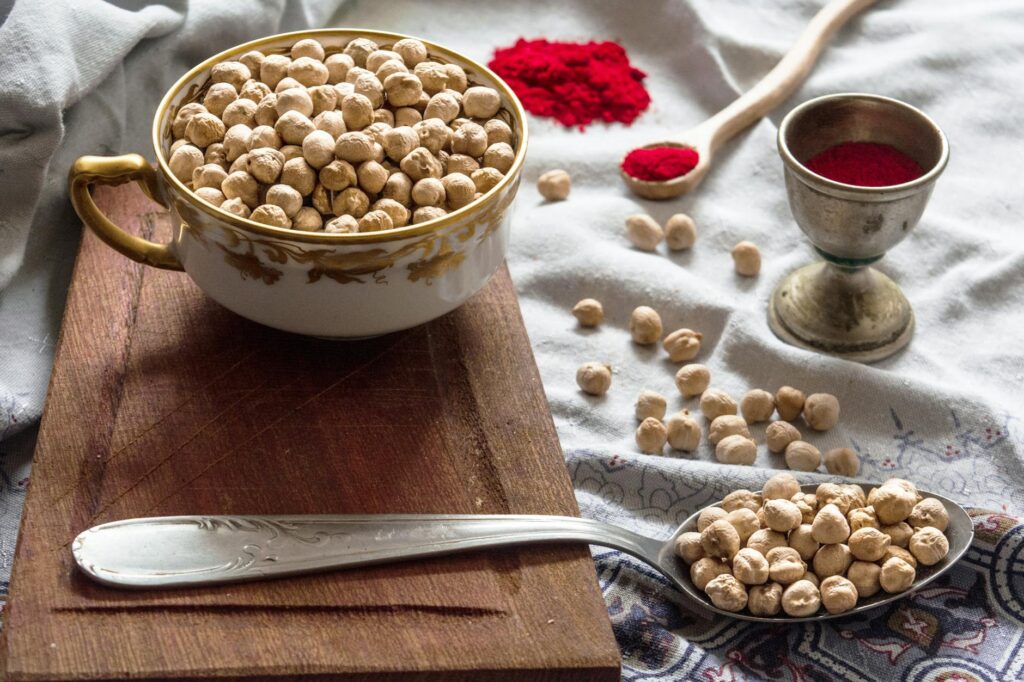
Chickpeas FAQs Answered
Introduction
Chickpeas, also known as garbanzo beans, have become a cornerstone of global cuisines and are celebrated for their versatility, nutritional profile, and rich flavor. This article delves into various aspects of chickpeas, providing an authoritative guide for enthusiasts and culinary professionals alike. From their historical roots to modern applications, we will explore everything you need to know about this remarkable legume.
What Is Guides?
In the context of culinary education, “Guides” refer to comprehensive resources that clarify and elucidate the attributes, uses, and best practices concerning specific food ingredients. These guides aim to equip readers with the knowledge they need to make informed decisions in cooking, nutrition, and food selection. The “Chickpeas FAQs Answered” guide serves as a detailed reference, addressing common questions and concerns related to this versatile ingredient.
History and Origins
Chickpeas boast a rich history that dates back thousands of years. Originating in the Middle East, they have been cultivated since at least 7500 BCE, making them one of the oldest cultivated legumes. Archaeological evidence suggests that they were consumed in the ancient civilizations of Mesopotamia and Egypt.
Chickpeas spread across the Mediterranean and eventually to other parts of the world, including India and North Africa. Different cultures have embraced chickpeas in unique ways, leading to a variety of traditional dishes, such as hummus in the Middle East and chana masala in India. Today, chickpeas are grown in many countries, with India, Australia, and Turkey being some of the largest producers.
Production and Processing
Chickpeas are primarily cultivated in arid and semi-arid regions, where they thrive in well-drained soils. They are typically sown in the spring and harvested in late summer or early autumn. The two main varieties of chickpeas are:
1. Desi Chickpeas: Small, dark seeds with a rough coat, primarily grown in India and Ethiopia. They are commonly used in traditional dishes and are known for their robust flavor.
2. Kabuli Chickpeas: Larger, lighter-colored seeds with a smoother coat, favored in Mediterranean and Middle Eastern cuisines. They are often found in salads and soups.
Once harvested, chickpeas undergo processing that may involve drying, cleaning, and packaging. They can be sold either dried or canned. Dried chickpeas require soaking and cooking before consumption, while canned varieties are pre-cooked, making them convenient for immediate use.
Quality and Grading
The quality of chickpeas can be assessed based on several criteria, including size, color, and appearance. Grading systems vary by country, but generally, they are categorized into different sizes and types. Higher-quality chickpeas are usually free from blemishes and have a uniform size.
In the United States, the USDA provides grading standards for chickpeas, which include Grade A (the highest quality) to Grade C. Factors such as moisture content, foreign material, and the presence of pests or diseases are also taken into account during grading.
When purchasing chickpeas, look for well-sealed packaging that indicates the grade, as this can significantly affect the cooking time and overall flavor.
Buying Considerations
When buying chickpeas, there are several factors to consider:
1. Type: Decide between dried and canned varieties. Dried chickpeas have a longer shelf life and are often more economical, but they require additional preparation. Canned chickpeas offer convenience and are ready to use.
2. Packaging: For dried chickpeas, opt for opaque packaging to protect them from light and moisture. For canned chickpeas, check the expiration date and ensure the can is free from dents or rust.
3. Organic vs. Conventional: Consider whether you prefer organic chickpeas, which are grown without synthetic pesticides and fertilizers. This choice can impact both flavor and environmental sustainability.
4. Source: Knowing the origin of chickpeas can be important for both flavor and ethical considerations. Supporting local farmers or sustainable practices can contribute to better quality and environmental health.
Uses and Applications
Chickpeas are incredibly versatile and can be used in a multitude of dishes across various cuisines. Their nutty flavor and firm texture make them suitable for numerous applications:
- Salads: Chickpeas add protein and substance to salads, enhancing both flavor and nutritional value.
- Soups and Stews: They serve as a hearty ingredient in soups, providing both texture and richness.
- Dips and Spreads: Hummus is perhaps the most famous chickpea-based dip, but chickpeas can also be blended into various spreads.
- Curry and Stir-Fries: In Indian cuisine, chickpeas are a staple ingredient in many curries. They absorb flavors well and contribute to a satisfying meal.
- Baking: Chickpea flour, or besan, is commonly used in gluten-free baking and to make pancakes and fritters.
- Dried Chickpeas: Store in a cool, dry place in an airtight container. They can last for several years if kept away from moisture and light, although their quality may diminish over time.
- Canned Chickpeas: Once opened, canned chickpeas should be transferred to a sealed container and refrigerated. They can typically be stored for about 3 to 4 days in the fridge. Unopened canned chickpeas can last for 3 to 5 years on the shelf.
Chickpeas are also increasingly used as a meat substitute in vegetarian and vegan dishes due to their high protein content.
Storage and Shelf Life
Proper storage is crucial for maintaining the quality of chickpeas.
It is important to note that dried chickpeas may take longer to cook if they are older, as their moisture content decreases over time.
Common Misconceptions
Several misconceptions surround chickpeas that can lead to confusion:
1. Chickpeas Are High in Carbohydrates: While chickpeas do contain carbohydrates, they are also high in fiber and protein, making them a balanced choice compared to other carbohydrate sources.
2. Canned Chickpeas Are Unhealthy: Canned chickpeas can be a healthy option, provided they are low in sodium and free from additives. Always read labels to ensure quality.
3. Chickpeas Are Only for Vegetarian Dishes: While they are a staple in vegetarian and vegan diets, chickpeas can be incorporated into a wide range of dishes, including those featuring meat.
4. All Chickpeas Taste the Same: Different varieties of chickpeas can have distinct flavors and textures. For example, desi chickpeas are earthier and more robust than the milder kabuli variety.
5. Chickpeas Are Only for Hummus: Chickpeas have a vast range of culinary applications beyond hummus. They can be used in salads, soups, and even desserts.
Frequently Asked Questions
1. Are chickpeas gluten-free?
Yes, chickpeas are naturally gluten-free, making them a suitable option for those with gluten sensitivities or celiac disease.
2. Do I need to soak dried chickpeas before cooking?
Soaking dried chickpeas is recommended, as it reduces cooking time and improves digestibility. Soak them overnight in water or use a quick soak method by boiling them for a few minutes and then letting them sit for an hour.
3. How can I tell if chickpeas have gone bad?
Dried chickpeas can become stale or lose their cooking quality over time. If they are discolored, have an off smell, or show signs of mold, they should be discarded. Canned chickpeas that are bulging or leaking should not be consumed.
4. Can I eat chickpeas raw?
Raw chickpeas should not be consumed, as they contain toxins that are neutralized through cooking. Always ensure that chickpeas are cooked thoroughly before eating.
5. What is the nutritional value of chickpeas?
Chickpeas are rich in protein, fiber, vitamins, and minerals. They are particularly high in folate, iron, and magnesium, making them a nutritious addition to any diet.
6. Can I substitute chickpeas for other beans in recipes?
Yes, chickpeas can often be substituted for other beans, although the flavor and texture may differ. Consider their specific cooking times and adjust accordingly.
In conclusion, chickpeas are not only a versatile ingredient but also a rich source of nutrients and history. Whether you are a culinary novice or a seasoned chef, understanding the intricacies of chickpeas can enhance your cooking and appreciation for this ancient legume.