
Chickpeas Grading Explained
Introduction
Chickpeas, known scientifically as Cicer arietinum, are a staple legume celebrated for their versatility and nutritional benefits. Their increasing popularity has prompted a corresponding demand for high-quality chickpeas across the globe. This article delves into the intricate world of chickpeas, focusing particularly on the grading and buying processes that ensure consumers receive the best product possible.
What Is Buying?
Buying in the context of food ingredients refers to the process of selecting and purchasing products based on specific criteria such as quality, price, and intended use. It encompasses various stages, from sourcing and evaluating the raw product to understanding market trends and consumer preferences. For chickpeas, buying involves understanding their grading system, which categorizes them based on size, color, and overall quality, enabling buyers to make informed choices.
History and Origins
Chickpeas are one of the oldest cultivated legumes, with origins tracing back over 7,000 years to the Middle East. Archaeological evidence suggests they were first domesticated in the region that encompasses modern-day Turkey, Syria, and Iraq. Over centuries, chickpeas spread to various parts of the world, including Europe, Africa, and the Americas, owing to their adaptability and nutritional value. They became a staple in many diets, especially in Mediterranean and Middle Eastern cuisines, and are now a key ingredient in dishes such as hummus and falafel.
Production and Processing
The production of chickpeas predominantly occurs in countries like India, Turkey, and the United States, where the climate and soil conditions are favorable. They thrive in well-drained soil and require a moderate amount of rainfall, making them suitable for semi-arid regions.
Once harvested, chickpeas undergo a series of processing steps. These include drying, cleaning, and grading. Proper processing is crucial to ensure the legumes retain their quality and flavor. The dried chickpeas are typically subjected to rigorous cleaning to remove impurities such as stones, dirt, and other foreign materials. After cleaning, they are graded based on size, color, and overall quality, which greatly influences their market value.
Quality and Grading
Chickpea grading plays a significant role in the buying process, as it informs consumers about the quality of the product they are purchasing. The grading system varies by country but typically includes several key factors:
Size
Chickpeas are classified into different grades based on their size, often referred to as “desi” and “kabuli” types:
- Desi Chickpeas: Smaller, darker, and rougher-skinned, these are commonly found in South Asian cuisines. They are often used for making snacks, curries, and stews.
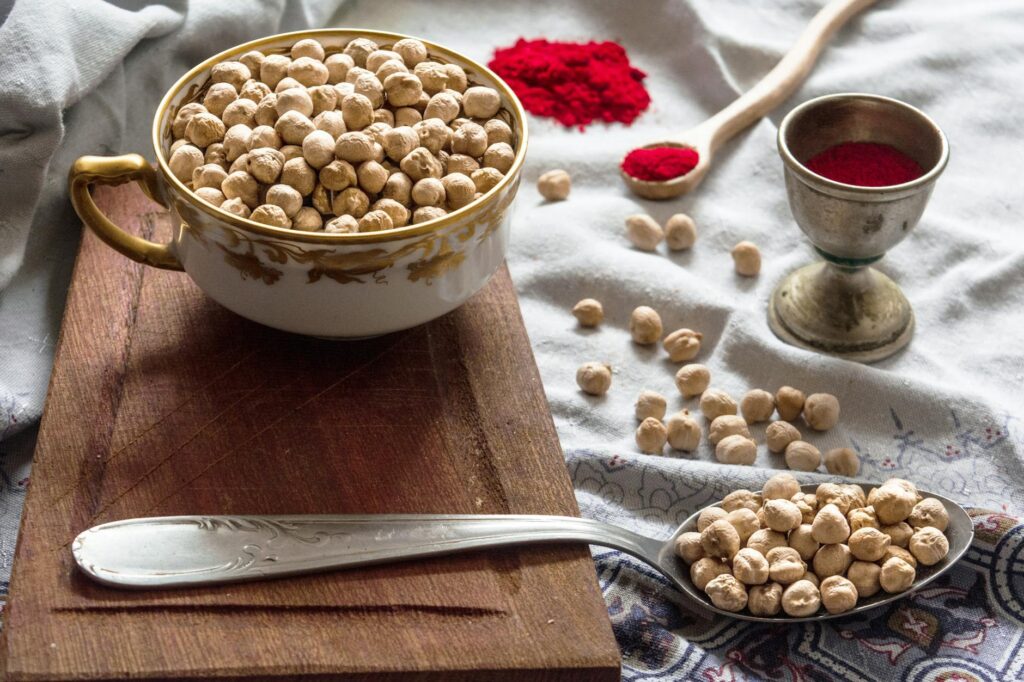
- Kabuli Chickpeas: Larger, lighter-colored, and smoother-skinned, these are more popular in Mediterranean and Middle Eastern cooking. They are commonly used in salads and dips.
- Culinary Uses: Chickpeas are commonly used in soups, salads, and stews. Their ability to absorb flavors makes them ideal for curries and spice blends.
- Snacks: Roasted chickpeas have gained popularity as a healthy snack option, often seasoned with various spices for added flavor.
- Dairy Alternatives: Chickpeas are increasingly being used in plant-based products, such as chickpea milk and yogurt, catering to the growing vegan and lactose-intolerant markets.
- Flour: Chickpea flour, or besan, is widely used in gluten-free cooking and baking, particularly in Indian cuisine for making dishes like pakoras and dosas.
Color
Color is another important grading criterion. High-quality chickpeas typically exhibit a uniform color without any discoloration or blemishes. The standard colors range from beige to light tan for kabuli varieties and various shades of brown for desi types.
Defects
Defect classification includes the presence of broken chickpeas, discoloration, or any signs of mold or pest damage. High-quality chickpeas should have minimal defects, ensuring optimal cooking and flavor.
Moisture Content
Moisture content is crucial in maintaining the shelf life of chickpeas. Ideally, the moisture level should be below 12% to prevent spoilage and ensure long-term storage. Grading often includes moisture testing to ensure compliance with industry standards.
Packaging and Labeling
Proper packaging can also affect the quality of chickpeas. High-quality packaging protects the legumes from environmental factors such as moisture and pests. Clear labeling that includes information such as origin, grading, and nutritional content helps consumers make informed choices.
Buying Considerations
When purchasing chickpeas, several factors should be considered to ensure quality and value:
Source
Understanding the source of chickpeas can provide insight into their quality. Chickpeas grown in regions with optimal climate conditions will typically yield superior products. Purchasing from reputable suppliers or local farmers’ markets can also enhance quality assurance.
Certification
Look for certifications such as organic or non-GMO, which can indicate better farming practices and quality control. Third-party certifications provide an additional layer of trustworthiness.
Price
While price should not be the sole determining factor, it is essential to consider it in relation to quality. Higher prices may reflect better grades or sourcing practices, while lower prices may point to inferior quality or processing methods.
Storage Conditions
Understanding how chickpeas have been stored can influence their quality. Proper storage conditions, including temperature and humidity control, are vital to maintaining the integrity of the product.
Uses and Applications
Chickpeas are incredibly versatile and are used in a myriad of culinary applications. Their rich texture and nutty flavor make them an excellent addition to various dishes:
Storage and Shelf Life
Proper storage is essential for maintaining the quality of chickpeas. Dried chickpeas can last for several years when stored in a cool, dark place in an airtight container. After cooking, chickpeas should be refrigerated and can typically last for 3