
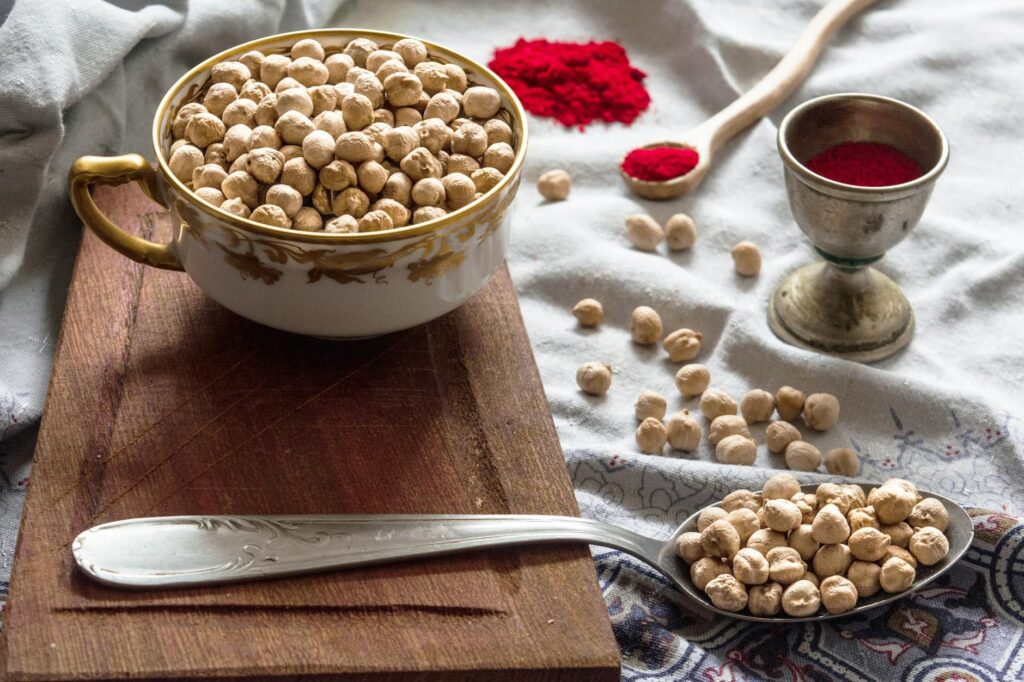
Chickpeas Growing Guide Part 7
Introduction
Chickpeas, scientifically known as Cicer arietinum, are a pivotal legume that has transcended geographical boundaries to become a staple ingredient in various global cuisines. As part of the growing guide series, this article delves into the intricate aspects of chickpea cultivation, addressing everything from their historical significance to best practices in production and storage. Understanding the nuances of growing chickpeas not only empowers farmers and gardeners but also enriches culinary enthusiasts with knowledge of this versatile ingredient.
What Is Growing?
Growing, in the context of agriculture, refers to the cultivation and management of crops through various processes that ensure optimal development from seed to harvest. For chickpeas, this encompasses selecting suitable varieties, preparing the soil, sowing seeds, managing pests, and harvesting at the right time. The growing phase is critical as it directly impacts both yield and quality, which are essential for culinary applications and commercial viability.
History and Origins
Chickpeas have a rich history that dates back over 7,000 years, making them one of the earliest cultivated legumes. Originally domesticated in the Middle East, archaeological findings suggest that chickpeas were consumed in ancient civilizations such as Mesopotamia, Egypt, and the Indus Valley. Over time, their cultivation spread to Mediterranean regions, Africa, and eventually to the Americas.
The two primary types of chickpeas—Desi and Kabuli—reflect this historical journey. Desi chickpeas, characterized by their small, dark seeds and rough coats, are commonly grown in India and parts of Africa. In contrast, Kabuli chickpeas, with their larger, lighter seeds, are prevalent in Mediterranean countries and have become increasingly popular worldwide.
Production and Processing
Cultivation Practices
The successful production of chickpeas requires careful attention to various agronomic practices. Chickpeas thrive in well-drained, sandy loam soils with a pH range of 6.0 to 7.5. The crop is typically sown in the spring, as it requires moderate temperatures to germinate effectively.
Seed selection is a crucial factor in chickpea production. Farmers often choose disease-resistant varieties to minimize crop loss. Additionally, chickpeas are often intercropped with cereals, which can enhance soil fertility through nitrogen fixation—a vital process where legumes convert atmospheric nitrogen into forms usable by plants.
Pest and Disease Management
Chickpeas are susceptible to various pests and diseases, including aphids, root rot, and ascochyta blight. Integrated Pest Management (IPM) strategies are recommended to mitigate these threats. This includes crop rotation, the use of resistant varieties, and biological control methods. Regular monitoring and timely intervention are key to maintaining healthy crops.
Harvesting and Processing
Harvesting typically occurs when the leaves have yellowed, and the pods have dried. This is crucial for ensuring that seeds reach optimal moisture levels, which aids in storage. Harvesting can be done manually or with mechanized equipment, depending on the scale of production.
Post-harvest processing involves cleaning, grading, and packaging the chickpeas. Cleaning removes impurities such as stones and dirt, while grading ensures that only high-quality seeds reach the market. Proper processing techniques are vital for maintaining the integrity and quality of the chickpeas.
Quality and Grading
The quality of chickpeas is assessed based on several parameters, including size, color, and moisture content. Grading systems vary by region but generally classify chickpeas into different categories:
- Grade A: Large, uniform seeds with minimal defects.
- Grade B: Medium-sized seeds with minor imperfections.
- Grade C: Smaller seeds or those with significant defects.
- Culinary Dishes: From hummus to salads, chickpeas are a staple in Middle Eastern and Mediterranean cuisines.
- Flour: Ground chickpeas produce chickpea flour, a gluten-free alternative used in baking and cooking.
- Snacks: Roasted chickpeas are a popular healthy snack, offering a crunchy texture and rich flavor.
- Plant-Based Proteins: With their high protein content, chickpeas are often used in vegetarian and vegan diets as a meat substitute.
Quality assurance processes are essential, as they influence marketability and consumer perception. Farmers and processors must adhere to established standards to ensure that their products meet consumer expectations.
Buying Considerations
When purchasing chickpeas, several factors should be considered to ensure quality and freshness:
1. Type: Choose between Desi and Kabuli varieties based on culinary needs.
2. Origin: Local or sustainably sourced chickpeas may offer enhanced flavor and freshness.
3. Packaging: Opt for sealed packages to maintain moisture levels and prevent contamination.
4. Moisture Content: Ideally, chickpeas should have a moisture content below 12% to ensure a longer shelf life.
It is advisable to purchase chickpeas from reputable suppliers who provide information about sourcing and processing practices.
Uses and Applications
Chickpeas are incredibly versatile and can be utilized in various culinary applications. Common uses include:
In addition to culinary applications, chickpeas are increasingly used in food technology, including the development of meat analogs and protein-rich snacks, further highlighting their versatility.
Storage and Shelf Life
Chickpeas have a relatively long shelf life when stored properly. Dried chickpeas can last for up to two years when kept in a cool, dark, and dry environment. It is advisable to store them in airtight containers to prevent moisture absorption and pest infestation.
Cooked chickpeas, on the other hand, should be refrigerated and consumed within three to five days. For longer storage, cooked chickpeas can be frozen, maintaining their quality for several months. Proper storage practices are crucial to preserving the flavor and nutritional value of chickpeas.
Common Misconceptions
Despite their popularity, several misconceptions about chickpeas persist:
1. Chick