
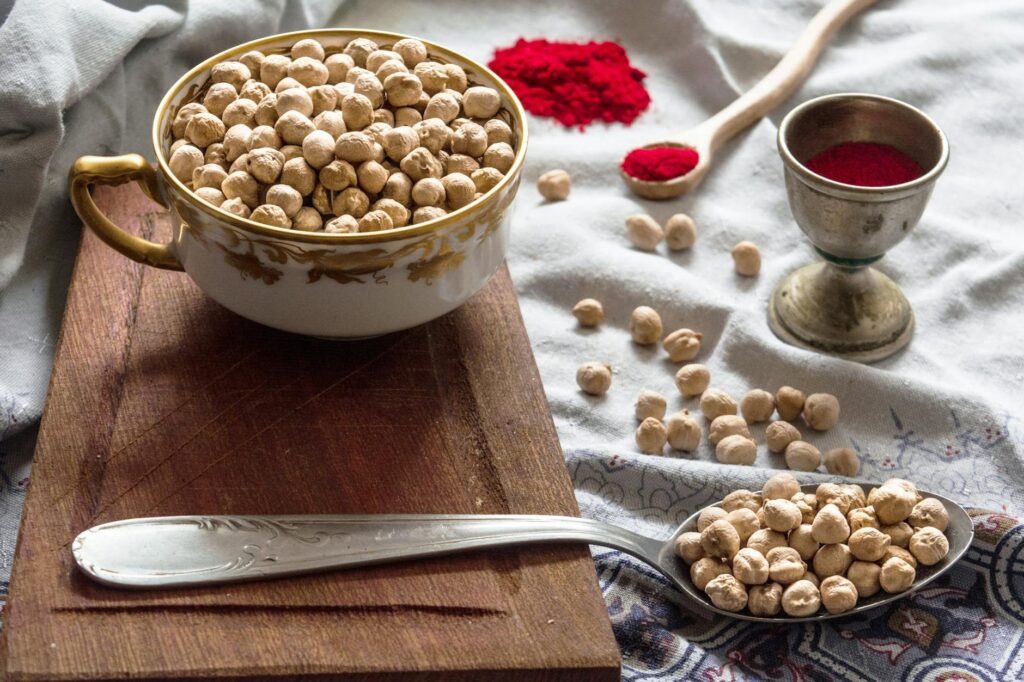
Chickpeas in Traditional Cuisine
Introduction
Chickpeas, also known as garbanzo beans, are one of the oldest cultivated legumes in human history. Their versatility and nutritional benefits have made them a staple in various cuisines around the world. This article delves into the multifaceted uses of chickpeas, particularly in traditional cuisine, exploring their historical significance, production methods, and culinary applications.
What Is Uses?
When discussing the “uses” of an ingredient, we refer to its culinary applications, nutritional benefits, cultural significance, and various forms of preparation. For chickpeas, this encompasses their roles in traditional dishes, their adaptability in modern cooking, and how they contribute to the diets of diverse populations.
History and Origins
Chickpeas have a rich history that dates back over 7,500 years. Archaeological findings suggest that they originated in the Middle East, particularly in regions now known as Turkey and Syria. The earliest evidence of chickpeas being consumed can be traced back to ancient Mesopotamia, where they were a vital component of early agricultural systems.
Throughout history, chickpeas spread across the Mediterranean, becoming integral to the diets of various cultures. In ancient Rome, they were consumed as a food source and were also used in religious rituals. Their role in traditional cuisine has only expanded over time, with chickpeas finding a place in recipes ranging from Mediterranean falafel to Indian chana masala.
Production and Processing
Chickpeas are cultivated in a variety of climates, thriving in regions with moderate rainfall and well-drained soils. Major producers include India, Australia, Turkey, and the United States. The production process typically involves planting seeds in the spring, followed by a growing season that lasts between 90 to 100 days before harvesting.
After harvesting, chickpeas undergo processing, which may include cleaning, drying, and packaging. There are two primary varieties of chickpeas: the larger, lighter-colored Kabuli and the smaller, darker Desi. Each variety has unique characteristics that influence their culinary applications.
Quality and Grading
The quality of chickpeas is determined by several factors, including size, color, and the absence of defects. Grading systems vary by region, but generally, higher-grade chickpeas are uniform in size and color and free from blemishes. This grading affects culinary applications, as larger, higher-quality chickpeas are often preferred for salads and garnishes, while smaller ones are used in soups and stews.
Buying Considerations
When purchasing chickpeas, consumers should consider several factors:
1. Variety: Choose between Kabuli and Desi based on intended use.
2. Form: Chickpeas are available dried, canned, or cooked. Dried chickpeas require soaking and longer cooking times, while canned varieties offer convenience.
3. Packaging: Opt for well-sealed packaging to ensure freshness.
4. Origin: Some may prefer chickpeas sourced from specific regions known for quality.
Uses and Applications
Chickpeas serve a multitude of uses in traditional cuisine across cultures:
Middle Eastern Cuisine
In Middle Eastern countries, chickpeas are a fundamental ingredient in dishes like hummus and falafel. Hummus, a creamy dip made from blended chickpeas, tahini, lemon juice, and garlic, has become a global favorite. Falafel, deep-fried balls made from ground chickpeas, is often served in pita bread with vegetables and sauces.
Indian Cuisine
In Indian cooking, chickpeas are used in various forms. The dish chana masala features chickpeas simmered in a spiced tomato sauce, while the popular snack, bhaji, consists of chickpeas mixed with spices and deep-fried. Chickpea flour, known as besan, is also widely used in Indian cuisine for making flatbreads and snacks.
Mediterranean Cuisine
In Mediterranean regions, chickpeas are often included in salads, stews, and grain bowls. They add texture and protein, making dishes like the classic Mediterranean chickpea salad a nutritious option.
Latin American Cuisine
In parts of Latin America, chickpeas are used in soups and stews, often paired with meats and spices. They serve as an excellent source of protein, particularly in vegetarian and vegan dishes.
African Cuisine
In North African countries, chickpeas are frequently included in tagines and couscous dishes. The beans absorb the rich flavors of spices and herbs, enhancing the overall taste profile.
Storage and Shelf Life
Dried chickpeas, when stored in a cool, dry place in an airtight container, can last for several years. Canned chickpeas have a shorter shelf life but can be kept for up to two to three years if unopened. Once opened, they should be stored in the refrigerator and consumed within a few days.
Common Misconceptions
Despite their popularity, several misconceptions surround chickpeas:
1. Chickpeas Are Not Nutritious: Some believe chickpeas are devoid of nutrients, yet they are rich in protein, fiber, vitamins, and minerals.
2. Chickpeas Are Only for Vegetarian Dishes: While they are a staple in vegetarian cuisine, chickpeas can complement meat-based dishes by adding texture and flavor.
3. Canned Chickpeas Are Inferior: Although dried chickpeas are often considered superior, canned chickpeas offer convenience and retain much of their nutritional value, making them a practical choice for busy cooks.
Frequently Asked Questions
1. Can I eat raw chickpeas?
Raw chickpeas are not safe to consume due to the presence of toxins. Always cook chickpeas before eating.
2. How do I cook dried chickpeas?
Dried chickpeas should be soaked in water for at least 8 hours or overnight. After soaking, rinse them and boil in fresh water for about 1 to 2 hours until tender.