
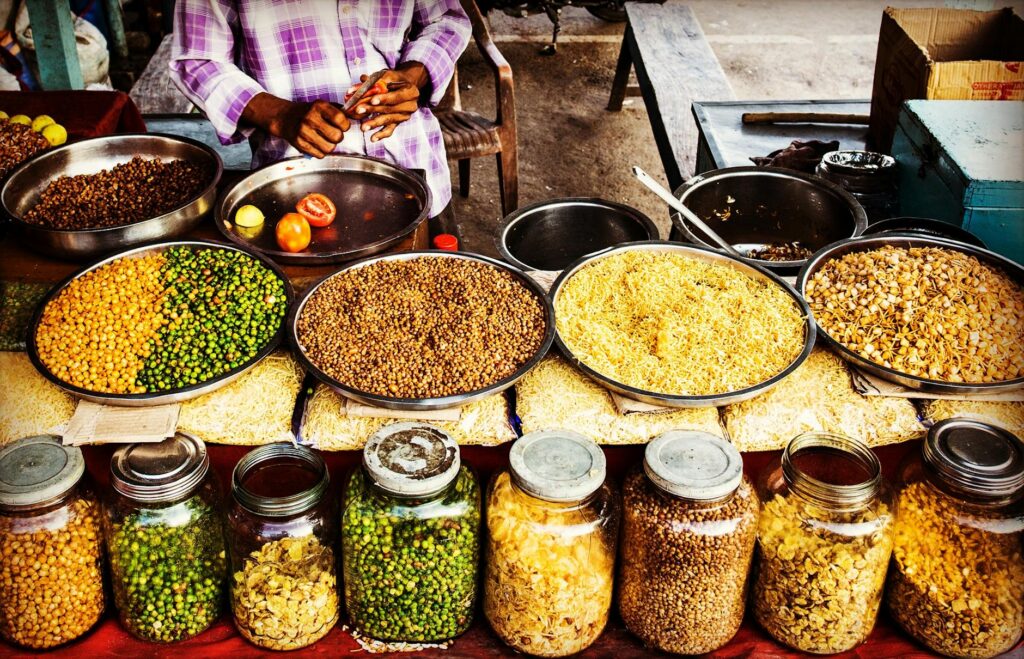
Chickpeas Production by Country
Introduction
Chickpeas, scientifically known as Cicer arietinum, are one of the oldest cultivated legumes in the world. Renowned for their versatile culinary applications and nutritional benefits, chickpeas are a staple in various global cuisines. The production of chickpeas is not only vital for food security but also plays a significant role in the economies of several countries. This article explores the regions involved in chickpea production, examining the historical context, processing methods, quality standards, and more.
What Is Regions?
In the context of chickpea production, “regions” refers to geographical areas where chickpeas are cultivated. These regions can vary significantly in terms of climate, soil type, agricultural practices, and cultural significance. Understanding these regions is essential for appreciating the diversity of chickpeas and their role in local and global food systems.
History and Origins
Chickpeas have a rich history that dates back over 7,000 years, with archaeological evidence suggesting their origins in the Middle East, particularly in the Fertile Crescent. They were one of the first legumes to be domesticated and have since spread globally. Today, chickpeas are cultivated in many countries, with significant production concentrated in regions such as South Asia, the Middle East, and parts of Africa.
The ancient Egyptians valued chickpeas, using them in various dishes, while in India, they became a fundamental part of vegetarian diets due to their high protein content. The spread of chickpeas across Europe and the Americas occurred during the Roman Empire and later through European colonization, making them a global food source.
Production and Processing
Major Producers
The leading producers of chickpeas include:
- India: By far the largest producer, India accounts for nearly 70% of the world’s chickpea production. The states of Madhya Pradesh, Maharashtra, and Rajasthan are particularly significant, thanks to their favorable growing conditions.
- Turkey: Ranking second, Turkey has a well-established chickpea industry, particularly in regions such as Ankara and Konya. Turkish chickpeas are known for their high quality, often exported to various international markets.
- Pakistan: With its diverse climatic conditions, Pakistan produces a substantial quantity of chickpeas. The provinces of Punjab and Sindh are the main cultivation areas.
- Iran: A traditional producer, Iran grows both desi and kabuli varieties of chickpeas, with Kerman province being one of the leading areas for production.
- Australia: Emerging as a significant producer, Australia focuses primarily on the kabuli variety, with cultivation concentrated in New South Wales and South Australia.
- Desi Chickpeas: Smaller, darker, and typically higher in fiber. They are often used in traditional dishes across South Asia and the Middle East.
- Kabuli Chickpeas: Larger, lighter in color, and more popular in Western cuisines. They are often found in salads, soups, and various Mediterranean dishes.
- Variety: Decide between desi and kabuli chickpeas based on intended use. Desi varieties are often preferred for traditional dishes, while kabuli are more common in Western cooking.
- Source: Look for chickpeas from reputable suppliers who adhere to quality standards. Certifications such as organic or non-GMO may also be relevant to some consumers.
- Packaging: Ensure that the packaging is intact and that the chickpeas are properly sealed to prevent contamination and spoilage.
- Price: Prices can vary considerably based on quality, origin, and market demand. It’s advisable to compare options to ensure value for money.
- Culinary Uses: Chickpeas are the main ingredient in dishes like hummus, falafel, and chana masala. They can also be used in salads, soups, and stews, contributing both texture and protein.
- Flour Production: Chickpea flour, known as gram flour or besan, is widely used in Indian and Middle Eastern cooking for making batters, pancakes, and thickening agents.
- Animal Feed: In some regions, chickpeas are processed and used as animal feed, providing a high-protein alternative for livestock.
- Snack Foods: Roasted chickpeas are gaining popularity as a healthy snack option, often seasoned with various spices to enhance flavor.
- All Chickpeas Are the Same: Many people believe that all chickpeas are identical. In reality, there are various types, each with unique flavors, textures, and culinary applications.
- Chickpeas Are Only for Vegetarian Diets: While chickpeas are a staple in vegetarian and vegan diets due to their protein content, they are enjoyed by people of all dietary preferences and are often included in meat-based dishes.
- Chickpeas Require Extensive Preparation: Although dried chickpeas require soaking and cooking, canned chickpeas are readily available and can be used directly in recipes, making them a convenient option.
Processing Methods
Once harvested, chickpeas undergo various processing methods to prepare them for market. This includes cleaning, sorting, and grading based on size and quality. Some chickpeas are left whole, while others are split or ground into flour. The processing stage is vital for maintaining quality and ensuring that the legumes are free from contaminants and defects.
Quality and Grading
Chickpeas are graded based on several criteria, including size, color, and the presence of defects. The two main varieties, desi and kabuli, are often differentiated during the grading process:
Grading systems may vary from country to country, but adherence to international standards is essential for export markets. Quality assurance is crucial, as consumers increasingly demand high-quality products.
Buying Considerations
When purchasing chickpeas, several factors should be considered:
Uses and Applications
Chickpeas are incredibly versatile and can be used in a myriad of ways:
Storage and Shelf Life
Proper storage of chickpeas is essential to maintain their quality. Dried chickpeas should be kept in a cool, dry place, preferably in an airtight container to protect them from moisture and pests. Under optimal conditions, dried chickpeas can last for several years.
Cooked chickpeas, on the other hand, should be refrigerated and consumed within a few days. They can also be frozen for longer storage. When stored properly, cooked chickpeas can last up to six months in the freezer.
Common Misconceptions
There are several misconceptions surrounding chickpeas:
Frequently Asked Questions
1. What are the main nutritional benefits of chickpeas?
Chickpeas are high in protein, fiber, and essential vitamins and minerals. They are particularly rich in folate, iron, and magnesium, making them a nutritious addition to any diet.
2. How do I cook dried chickpeas?
To cook dried chickpeas, soak them overnight in water, then drain and rinse. Boil them in fresh water for 1-2 hours until tender. Alternatively, a pressure cooker can significantly reduce cooking time.
3. Can chickpeas be eaten raw?
Raw chickpeas are not typically consumed due to their indigestibility. They should always be cooked to make them palatable and easier to digest.
4. Are there any allergens associated with chickpeas?
Chickpeas are generally considered safe for most people. However, individuals with legume allergies should exercise caution, as they may also be allergic to chickpeas.
5. How should I store cooked chickpeas?
Cooked chickpeas should be stored in an airtight container in the refrigerator, where they can last for up to five days. They can also be frozen for longer storage.
6. What is the difference between desi and kabuli chickpeas?
Desi chickpeas are smaller, darker, and higher in fiber, while kabuli chickpeas are larger, lighter, and more commonly used in Western cuisine. Each variety has distinct culinary applications and flavors.
Conclusion
Chickpeas are a vital ingredient with a rich history and wide-ranging applications. Understanding the regions of production, processing methods, and quality standards enhances our appreciation for this versatile legume. As global demand for chickpeas continues to rise, awareness of their multifaceted roles in various culinary traditions and economies is essential for both consumers and producers alike.