
Cilantro About Guide Part 7
Introduction
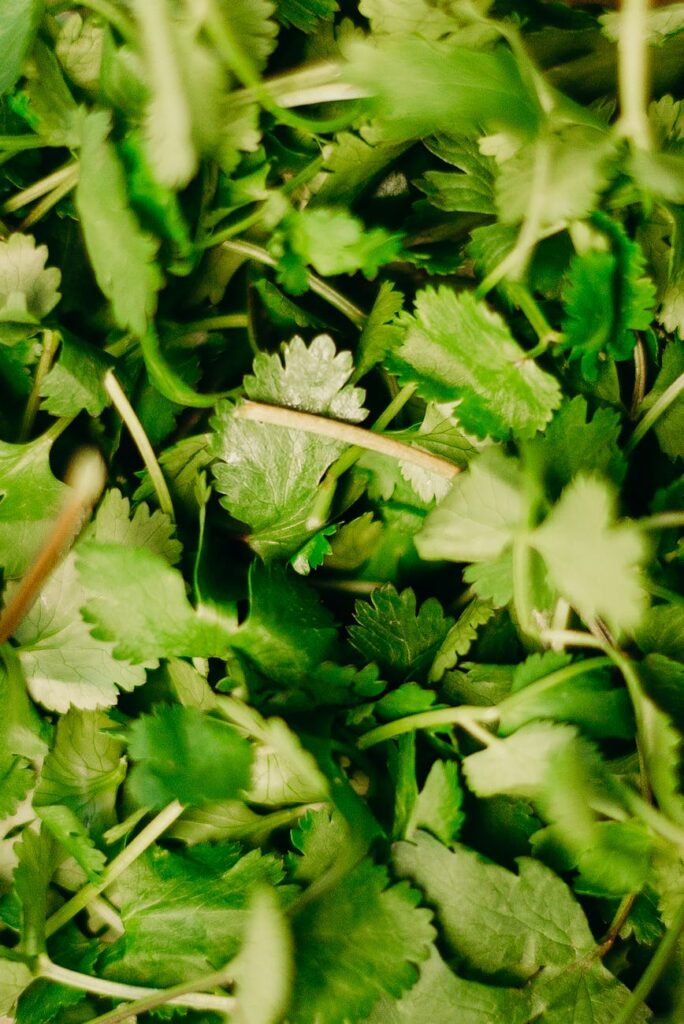
Cilantro, also known as coriander in many parts of the world, is a fragrant herb that has captivated culinary enthusiasts and home cooks alike. Renowned for its distinctive flavor and aromatic qualities, cilantro is a staple in various cuisines, from Mexican to Indian and beyond. This guide delves into the multifaceted world of cilantro, exploring its history, production, uses, and more.
What Is About?
Understanding cilantro involves recognizing its botanical identity, culinary uses, and cultural significance. Botanically known as Coriandrum sativum, cilantro is an annual herb belonging to the Apiaceae family, which also includes carrots, parsley, and fennel. The leaves, stems, and seeds of the plant are utilized in cooking, though the leaves are primarily referred to as cilantro, while the seeds are known as coriander.
Cilantro’s flavor profile is often described as bright and citrusy, with a hint of spice. This unique taste can be polarizing; while many people revel in its freshness, others are repelled by its soapy taste, a perception influenced by genetic factors.
History and Origins
Cilantro has a rich history that dates back thousands of years. It is believed to have originated in the Mediterranean and Middle Eastern regions, where it was used not only as a culinary herb but also for medicinal purposes. Archaeological evidence suggests that cilantro was cultivated by the ancient Egyptians and was even found in King Tutankhamun’s tomb, indicating its value in both cuisine and culture.
Throughout history, cilantro spread across the globe, finding its way into various culinary traditions. In the 17th century, it was introduced to the Americas by Spanish explorers, where it quickly became a key ingredient in many Latin American dishes. Today, cilantro is a globally recognized herb, integral to numerous cuisines, from Thai to Moroccan.
Production and Processing
Cilantro thrives in temperate climates with well-drained soil and ample sunlight. It is typically grown as an annual crop, with seeds sown directly into the ground. The plant grows rapidly, reaching maturity in as little as three weeks for the leaves.
Key stages in cilantro production include:
- Cultivation: Cilantro seeds are often sown in spring or fall, depending on the climate. The plants require regular watering and should be spaced adequately to allow for growth.
- Harvesting: Leaves are usually harvested when the plant reaches about 6–8 inches in height. This can be done by cutting the stems just above the soil level to encourage further growth.
- Processing: Once harvested, cilantro is often washed and packaged for sale. It can be sold fresh, dried, or as a paste. Fresh cilantro is generally preferred for its vibrant flavor, while dried cilantro is less potent and often used in spice blends.
- Leaf Condition: Leaves should be free from wilting, yellowing, or browning.
- Aroma: Fresh cilantro should emit a strong, herbal scent. Any off-odors may indicate spoilage.
- Stem Quality: Stems should be firm and not overly woody.
- Freshness: Opt for cilantro that appears vibrant and fresh. Avoid any bunches that show signs of wilting or browning.
- Source: Consider buying from local farmers’ markets or organic producers to ensure quality and sustainability.
- Seasonality: Cilantro is generally available year-round, but its peak season may vary by region. In the U.S., it’s most abundant in spring and early summer.
- Storage: Fresh cilantro should be stored properly to maintain its quality, as outlined in the storage section below.
- Salads and Salsas: Cilantro adds a refreshing element to salads and salsa, complementing tomatoes, avocados, and other fresh ingredients.
- Soups and Stews: A sprinkle of cilantro enhances the flavor of various soups and stews, particularly in cuisines such as Thai and Mexican.
- Garnishes: Cilantro is often used as a garnish for dishes like tacos, curries, and grilled meats, providing a pop of color and flavor.
- Marinades and Dressings: The herb can be blended into marinades and dressings to impart a vibrant taste.
- Refrigeration: The most common method is to store cilantro in the refrigerator. Wrap the stems in a damp paper towel and place the herb upright in a jar with a little water, covering it loosely with a plastic bag. This can keep cilantro fresh for up to two weeks.
- Freezing: For longer storage, cilantro can be frozen. Chop the leaves and stems, then place them in an ice cube tray filled with water or olive oil. Once frozen, transfer the cubes to a zip-top bag for long-term storage.
- Drying: While not as flavorful as fresh cilantro, drying can be an option. Use a dehydrator or hang the herb in a dry, dark place. Store dried
Quality and Grading
The quality of cilantro is determined by several factors, including freshness, aroma, and color. High-quality cilantro should have bright green, vibrant leaves and a strong, pleasant aroma.
Grading systems for cilantro may vary by region, but generally, the grading is based on:
Purchasers should look for cilantro that is organic or grown with minimal pesticide usage, as this can influence flavor and quality.
Buying Considerations
When purchasing cilantro, consider the following:
Uses and Applications
Cilantro is incredibly versatile in the culinary world. Its fresh leaves are commonly used in:
In addition to its culinary uses, cilantro has cultural significance in various regions. In some Asian cuisines, it is a symbol of freshness and purity, while in Mexican culture, it is a staple in traditional dishes.
Storage and Shelf Life
Proper storage is crucial for maintaining the freshness and flavor of cilantro. Here are some effective methods: