
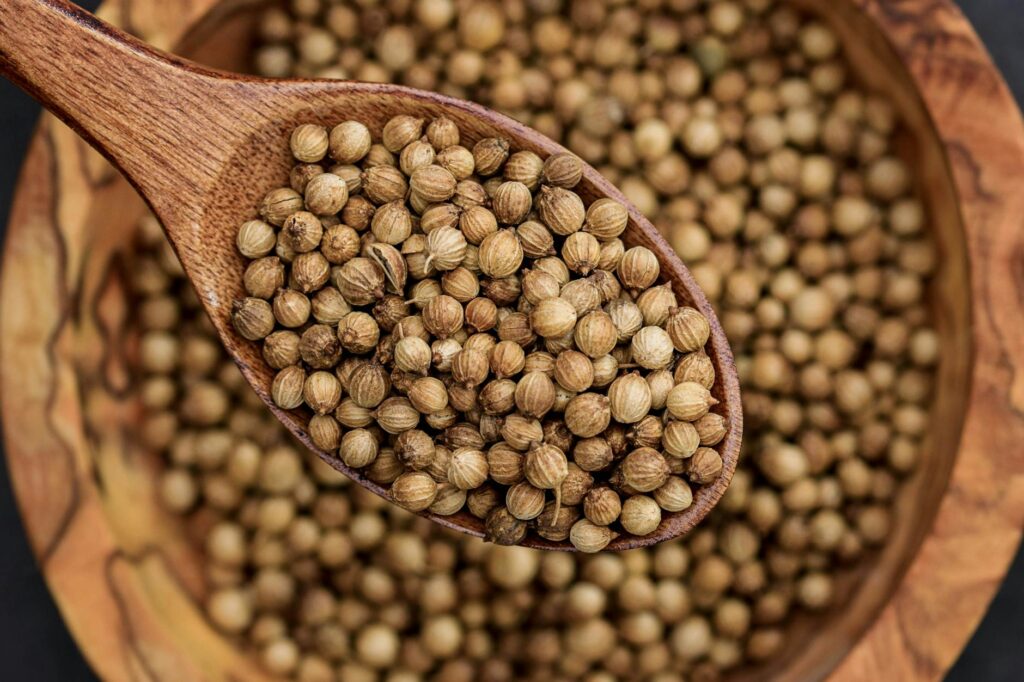
Cilantro Cultivation Explained
Introduction
Cilantro, also known as coriander in many parts of the world, is a versatile herb that holds a prominent place in culinary traditions across various cultures. Renowned for its distinctive flavor and aroma, cilantro is a vital ingredient in many dishes, ranging from salsas to curries. This article delves into the complexities of cilantro cultivation, exploring its history, production, quality assessment, and practical considerations for both consumers and growers alike.
What Is Growing?
Growing refers to the cultivation process of plants, involving various stages from seed selection to harvesting. It encompasses the environmental conditions required for the plants to thrive, including soil quality, temperature, water availability, and light exposure. For cilantro, these factors significantly influence not only the yield but also the flavor profile of the herb.
History and Origins
Cilantro/Coriander (Coriandrum sativum) is believed to have originated in the Mediterranean region and has been cultivated for thousands of years. Historical records indicate its use in ancient Egypt, where it was prized as both a culinary herb and a medicinal plant. The Romans utilized cilantro for its aromatic properties, often adding it to dishes and even to their wines. Over centuries, cilantro spread through trade routes to Asia, the Americas, and beyond, becoming integral to various global cuisines.
In traditional Chinese medicine, cilantro has been utilized for its purported health benefits, while in Indian cooking, both the leaves and seeds are celebrated. Today, cilantro is cultivated in nearly every continent, adapted to diverse climates and soil conditions, making it a truly global herb.
Production and Processing
Cilantro is typically grown as an annual crop, thriving in well-drained soil with a pH level between 6.2 and 6.8. The seeds are sown directly into the ground or started in containers, and the seedlings usually emerge within 7 to 10 days. Cilantro prefers cooler temperatures, ideally between 50°F and 85°F (10°C to 29°C). In warmer climates, it is often grown in the spring or fall to avoid the intense heat that can cause premature bolting—a process where the plant flowers and subsequently produces seeds, which can lead to a decline in leaf quality.
Harvesting cilantro is a delicate process; the leaves are typically cut when they reach about 6 inches tall. This usually occurs roughly 3 to 4 weeks after planting. Care must be taken to avoid damaging the roots, as this can inhibit further growth. After harvesting, cilantro is often bundled and sold fresh, but it can also be processed into dried coriander seeds or used in essential oil extraction.
Quality and Grading
The quality of cilantro is assessed based on several factors, including freshness, color, aroma, and absence of defects. Fresh cilantro leaves should be vibrant green, free from yellow or brown spots, and possess a strong, fresh aroma. Grading systems vary by region, but typically, cilantro is classified into different grades based on these criteria.
Quality control measures during production and post-harvest handling are crucial to maintain a high standard. This includes proper washing, handling to avoid bruising, and appropriate packaging to extend shelf life. For dried cilantro products, the grading may focus more on the size of the particles and the intensity of flavor, which can be affected by the drying process.
Buying Considerations
When purchasing cilantro, whether fresh or dried, several factors should be considered to ensure quality. For fresh cilantro, look for:
- Vibrant Color: Fresh cilantro should be a rich green with no signs of wilting.
- Aroma: A strong, pungent smell indicates freshness.
- Stems and Roots: Sturdy stems and fresh roots can be a sign of higher quality.
- Packaging: If buying pre-packaged cilantro, check for any signs of moisture or damage.
- Source: Purchase from reputable suppliers to ensure quality.
- Packaging Date: Check for freshness, as older products may have diminished flavor.
- Flavor Profile: If possible, taste or smell the product before buying.
For dried cilantro or coriander seeds, consider:
Uses and Applications
Cilantro is a multifaceted ingredient found in a variety of culinary applications. In its fresh form, it is commonly used as a garnish for dishes like tacos, soups, and salads. Its vibrant flavor complements spicy and savory dishes, making it a staple in Mexican, Indian, and Asian cuisines.
In addition to its culinary uses, cilantro is also utilized in the production of sauces such as chimichurri and salsa verde. The seeds, known as coriander, are often ground into a spice used in baking, pickling, and various spice blends, showcasing the herb’s versatility beyond just its fresh leaves.
Cilantro’s unique flavor profile makes it a popular choice for infusing oils and vinegars, adding aromatic qualities to dressings and marinades. In beverage applications, cilantro appears in cocktails and smoothies, offering a refreshing twist.
Storage and Shelf Life
Proper storage is essential to maintain the freshness and flavor of cilantro. Fresh cilantro should be kept in the refrigerator, ideally wrapped in a damp paper towel and placed in a sealed plastic bag to retain moisture. When stored correctly, fresh cilantro can last up to two weeks, although its flavor may start to diminish after the first week.
For dried cilantro or coriander seeds, storage should occur in a cool, dark place, ideally in an airtight container. Dried cilantro can maintain its flavor for up to six months, while coriander seeds can last up to a year if stored properly.
Freezing cilantro is another option for prolonging its shelf life. Fresh cilantro can be chopped and placed in ice cube trays with water or oil before freezing. This method allows for easy portioning and retains much of the herb’s flavor.
Common Misconceptions
Cilantro often garners mixed opinions regarding its flavor, with some