
Cilantro FAQs Answered
Introduction
Cilantro, also known as coriander in many regions, is a culinary herb that has captured the hearts and palates of diverse cultures worldwide. This fragrant green herb is celebrated for its unique flavor, which can transform a dish from ordinary to extraordinary. As culinary enthusiasts seek to understand this versatile ingredient better, this article aims to provide comprehensive insights into cilantro, addressing common questions and concerns surrounding its use and characteristics.
What Is Cilantro?
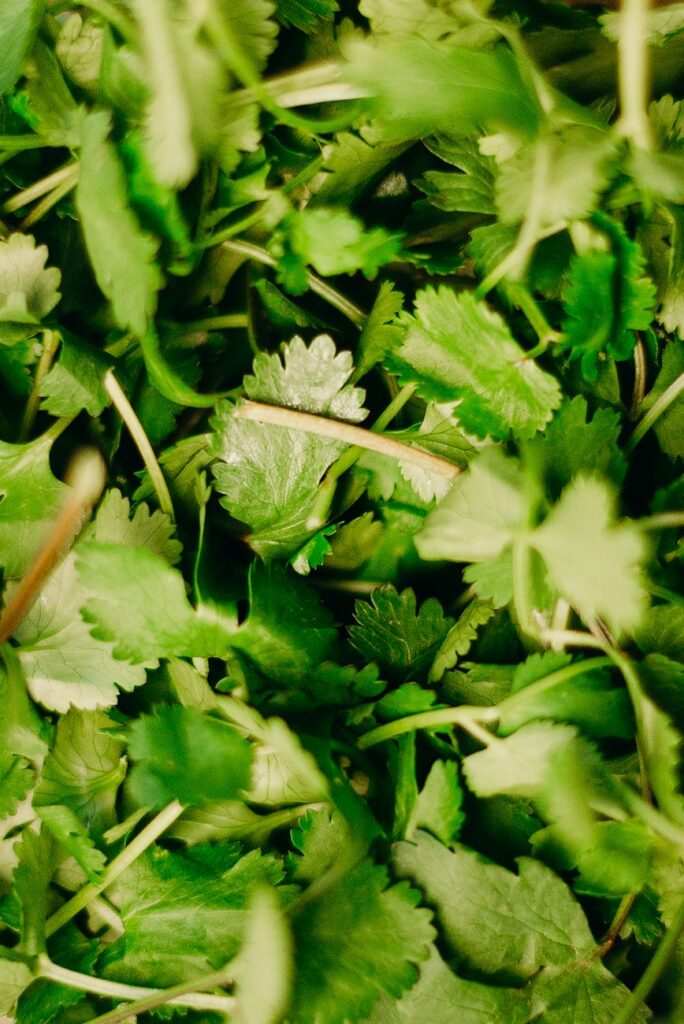
Cilantro refers to the leaves and stems of the Coriandrum sativum plant, while the seeds are known as coriander. Both parts of the plant have distinct flavors and culinary applications. The herb has a bright, citrusy flavor that can vary in intensity depending on the variety and growing conditions. Cilantro is a staple in global cuisines, especially in Mexican, Indian, Middle Eastern, and Southeast Asian dishes.
History and Origins
The history of cilantro dates back thousands of years. It is believed to have originated in the Mediterranean region and Western Asia, with evidence of its use in ancient Egyptian cooking and medicine. Cilantro is mentioned in historical texts, including the Bible, where it is referred to as “coriander.” Over time, its cultivation spread to various parts of the world, adapting to different climates and agricultural practices.
In the Americas, cilantro was introduced by Spanish colonists, quickly becoming integral to Mexican cuisine. Today, cilantro is cultivated globally, with significant production in countries such as India, Mexico, and China, where it thrives in warm climates.
Production and Processing
Cilantro is typically grown as an annual herb, requiring full sunlight and well-drained soil. It is sensitive to extreme temperatures; thus, optimal growth occurs in moderate climates. The plant can be harvested multiple times during its life cycle, with the leaves being the primary focus.
Once harvested, cilantro is either sold fresh, dried, or processed into various forms, such as oils and extracts. Fresh cilantro is delicate and perishable, requiring careful handling to maintain its vibrant color and flavor. In contrast, dried cilantro, though convenient, often lacks the intense flavor profile of its fresh counterpart.
Quality and Grading
The quality of cilantro can vary significantly based on cultivation practices and post-harvest handling. Key quality indicators include:
- Color: Fresh cilantro should exhibit a bright green hue. Yellowing or browning leaves indicate age or spoilage.
- Texture: Leaves should be crisp and tender, without wilting or bruising.
- Aroma: A strong, fresh scent is a hallmark of quality cilantro, while a lack of aroma may suggest age or poor storage conditions.
- Garnish: Fresh cilantro is frequently used as a garnish for soups, salads, and entrees, adding both visual appeal and flavor.
- Condiments: It is a key ingredient in salsas, chutneys, and sauces, where its fresh notes complement other ingredients.
- Marinades: Cilantro is commonly included in marinades for meats and vegetables, imparting its distinctive flavor during cooking.
- Salads: In salads, cilantro adds a refreshing element, often paired with other vibrant ingredients like lime and chili.
- Global Dishes: From Vietnamese Pho to Indian curries, cilantro plays a crucial role in enhancing the flavor profiles of many traditional dishes.
- Refrigeration: Fresh cilantro should be stored in the refrigerator. Place the stems in a jar with water, covering the leaves with a plastic bag, or wrap it in a damp paper towel and store it in a sealed container.
- Shelf Life: When stored correctly, fresh cilantro can last about one week. However, its flavor and texture will degrade over time, so it is best used as soon as possible.
- Freezing: Cilantro can also be frozen for longer storage. Wash and chop the leaves, then place them in ice cube trays with water or oil for convenient use in recipes later.
Grading systems for cilantro may differ by region but typically focus on these sensory attributes. High-quality cilantro is often preferred in culinary applications, as its vibrant flavor enhances dishes significantly.
Buying Considerations
When purchasing cilantro, there are several factors to consider to ensure you select the freshest and highest-quality herb:
1. Freshness: Look for bunches with bright green leaves and firm stems. Avoid any that appear wilted or discolored.
2. Source: If possible, buy from local farmers’ markets or organic suppliers, as they often have fresher produce.
3. Seasonality: Cilantro is typically in season during warm months. Purchasing during peak season can ensure better flavor and quality.
4. Organic vs. Conventional: Consider choosing organic cilantro to minimize exposure to pesticides and chemicals.
Cilantro can be found in various forms, including fresh bunches, pre-chopped packages, and dried spices. Fresh cilantro is often preferred for its robust flavor, while dried cilantro can be used as a convenient alternative in certain applications.
Uses and Applications
Cilantro is a versatile herb used in a variety of culinary applications, including:
Understanding how to incorporate cilantro effectively can elevate culinary creations, bringing a touch of freshness and brightness to the table.
Storage and Shelf Life
Proper storage of cilantro is essential to maintain its freshness and flavor. Here are some tips:
Dried cilantro should be kept in a cool, dark place in an airtight container to preserve its flavor, typically lasting up to six months.
Common Misconceptions
Several misconceptions about cilantro persist, leading to confusion among consumers and cooks:
1. Cilantro vs. Coriander: Many people use the terms “cilantro” and “coriander” interchangeably. However, cilantro refers specifically to the leaves and stems, while coriander refers to the seeds of the same plant.
2. Taste Preference: Some individuals report a strong aversion to cilantro, often attributing it to a genetic predisposition. This dislike is often mistaken for a general dislike of herbs.
3. Cilantro in Cooking: A common belief is that cilantro should only be used in specific cuisines. In reality, this herb can complement a wide variety of dishes across various culinary traditions.
Understanding these misconceptions allows for a more informed approach to using cilantro in culinary practices.
Frequently Asked Questions
1. Is cilantro the same as coriander?
No, cilantro refers to the fresh leaves and stems of the Coriandrum sativum plant, while coriander refers to the seeds. Both parts are used in different culinary contexts.
2. Why do some people dislike cilantro?
Some individuals have a genetic predisposition that makes cilantro taste soapy or unpleasant to them. This aversion is due to specific olfactory receptors that perceive certain compounds in cilantro differently.
3. How can I tell if cilantro is fresh?
Fresh cilantro should have bright green leaves, firm stems, and a strong, pleasant aroma. Avoid cilantro that appears wilted, yellowed, or has an off-smell.
4. Can I substitute dried cilantro for fresh cilantro?
While dried cilantro can be used as a substitute, it has a less intense flavor compared to fresh cilantro. If substituting, use about one-third the amount of dried cilantro to fresh cilantro in recipes.
5. How do I store fresh cilantro for maximum freshness?
To store fresh cilantro, place the stems in a jar with water, cover the leaves with a plastic bag, and store it in the refrigerator. Alternatively, wrap it in a damp paper towel and place it in a sealed container.
6. Is there a specific season for cilantro?
Cilantro is typically in season during warm months, but it can be cultivated year-round in suitable climates. Availability may vary based on location and local growing conditions.
Conclusion
Cilantro is a remarkable herb that enhances a diverse range of dishes with its distinctive flavor and aroma. By understanding its history, production, and culinary uses, as well as addressing common misconceptions and storage techniques, culinary enthusiasts can unlock the full potential of cilantro in their cooking. Whether you’re a seasoned chef or a home cook, incorporating cilantro into your culinary repertoire can elevate your dishes and provide a burst of freshness that is truly delightful.