
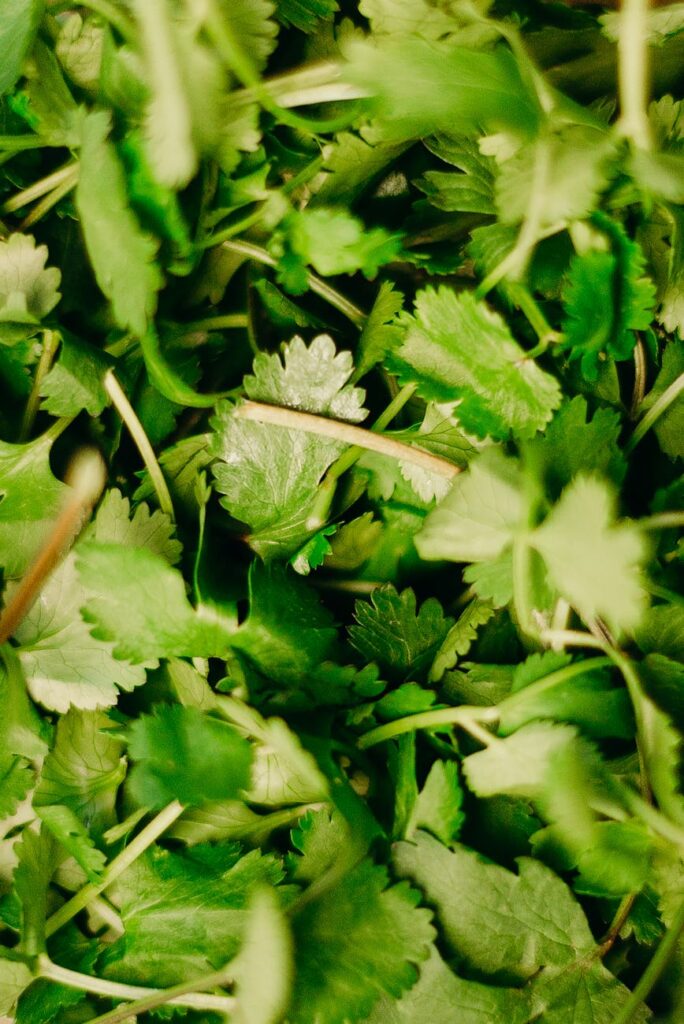
Cilantro Growing Guide Part 7
Introduction
Cilantro, also known as coriander in many parts of the world, is a versatile herb cherished for its distinctive flavor and aroma. This guide delves into the various aspects of growing cilantro, focusing on its history, production, quality assessment, and more. As culinary enthusiasts and home gardeners alike seek to cultivate this herb, understanding the nuances of its growth and harvesting will enhance both the gardening experience and the quality of the produce.
What Is Growing?
Growing refers to the process of nurturing plants from seeds or seedlings to maturity, focusing on the conditions and care necessary to cultivate healthy, productive plants. In the context of cilantro, growing involves understanding its specific needs—such as soil composition, light exposure, and watering requirements—to ensure optimal growth. Cilantro thrives in well-drained, nutrient-rich soil and prefers cooler temperatures, making it an excellent choice for spring and fall gardening.
History and Origins
Cilantro is believed to have originated in the Mediterranean region and has a rich history that dates back thousands of years. Archaeological evidence suggests that cilantro was used in ancient Egypt, where it was found in tombs alongside other herbs. The plant has also been mentioned in historical texts, including the Bible, where it is referred to as “coriander.” Over the centuries, cilantro has spread across the globe, becoming a staple in various cuisines, especially in Latin American, Asian, and Middle Eastern dishes. Its popularity can be attributed to its unique flavor profile, which adds a refreshing note to a variety of dishes.
Production and Processing
The production of cilantro involves several key steps: planting, nurturing, harvesting, and processing. Cilantro is typically grown from seeds, which can be directly sown into the soil. The seeds should be planted in well-drained soil, ideally enriched with organic matter. Ideal germination occurs at temperatures between 60°F and 75°F (15°C to 24°C).
Once planted, cilantro requires consistent moisture, but care must be taken not to overwater, as the plant is susceptible to root rot. As the plants mature, they will grow lush green leaves, which can be harvested as needed. The leaves are often harvested before the plant bolts, as once it flowers and produces seeds, the flavor of the leaves diminishes.
Processing cilantro typically involves washing and drying the leaves carefully to remove any soil or contaminants. For longer-term storage, cilantro can be frozen or dried, though fresh cilantro is often preferred for its vibrant flavor.
Quality and Grading
The quality of cilantro is determined by several factors, including freshness, color, and aroma. High-quality cilantro should have vibrant green leaves, a fresh, pleasant scent, and no signs of wilting or yellowing. In commercial settings, cilantro is often graded based on these criteria, with Grade A representing the highest quality, typically reserved for fresh, unblemished leaves.
When purchasing cilantro, whether from a garden or a market, look for leaves that are crisp and fragrant. Avoid any bunches that show signs of browning or decay, as these indicate aging and diminished quality.
Buying Considerations
When buying cilantro, several factors should be taken into account to ensure you select the best quality:
1. Freshness: Opt for cilantro that is freshly harvested. Check for vibrant green leaves and a strong aroma, which indicate freshness.
2. Source: Local farmers’ markets often offer fresher produce than grocery stores. If possible, buy from a trusted source.
3. Organic vs. Conventional: Consider whether you prefer organic cilantro, which is grown without synthetic pesticides or fertilizers, or conventional cilantro, which may have pesticide residues.
4. Packaging: If purchasing pre-packaged cilantro, ensure the packaging is intact with no signs of moisture or damage, which can lead to spoilage.
5. Seasonality: Cilantro is typically at its best during cooler months. Be mindful of the season when purchasing to ensure optimal freshness.
Uses and Applications
Cilantro has a myriad of culinary applications. Its fresh leaves are commonly used as a garnish or ingredient in a variety of dishes, ranging from salsas and salads to soups and stews. The seeds, known as coriander, are often used in spice blends and can be ground into a powder for flavoring.
In addition to its culinary uses, cilantro is also appreciated for its aromatic qualities in various cultural dishes. It can be found in chutneys, curries, and marinades, where it adds a bright note that balances richer flavors. The distinct taste of cilantro can also enhance beverages, such as cocktails or infused waters, providing a refreshing twist.
Storage and Shelf Life
Proper storage is crucial to maintaining the freshness and quality of cilantro. Fresh cilantro should be stored in the refrigerator, ideally in a produce drawer or wrapped in a damp paper towel and placed in a plastic bag. This method helps to retain moisture while preventing wilting.
When stored correctly, fresh cilantro can last up to a week. For longer preservation, cilantro can be frozen. To freeze, wash and dry the leaves, chop them, and place them in an airtight container or freezer bag. Frozen cilantro can maintain its flavor for several months, although the texture may change once thawed.
Dried cilantro is also an option, though it is important to note that drying can significantly alter its flavor. Dried cilantro should be stored in a cool, dark place in a tightly sealed container to prolong its shelf life.
Common Misconceptions
Cilantro often garners mixed opinions due to its polarizing flavor profile, leading to several misconceptions:
1. Cilantro Tastes Like Soap: Some individuals report a soapy taste when consuming cilantro, which is attributed to genetic factors affecting taste perception. This is not a universal experience but rather a personal sensitivity.
2. Cilantro is the Same as Coriander