
Cilantro Guides Guide Part 7
Introduction
Cilantro, also known as coriander in many parts of the world, is an herb that has gained immense popularity due to its unique flavor and versatility in culinary applications. This guide aims to provide an in-depth understanding of cilantro, from its historical roots to its production and usage. This comprehensive resource is designed for culinary enthusiasts, educators, and anyone interested in maximizing the potential of this vibrant herb.
What Is Cilantro?
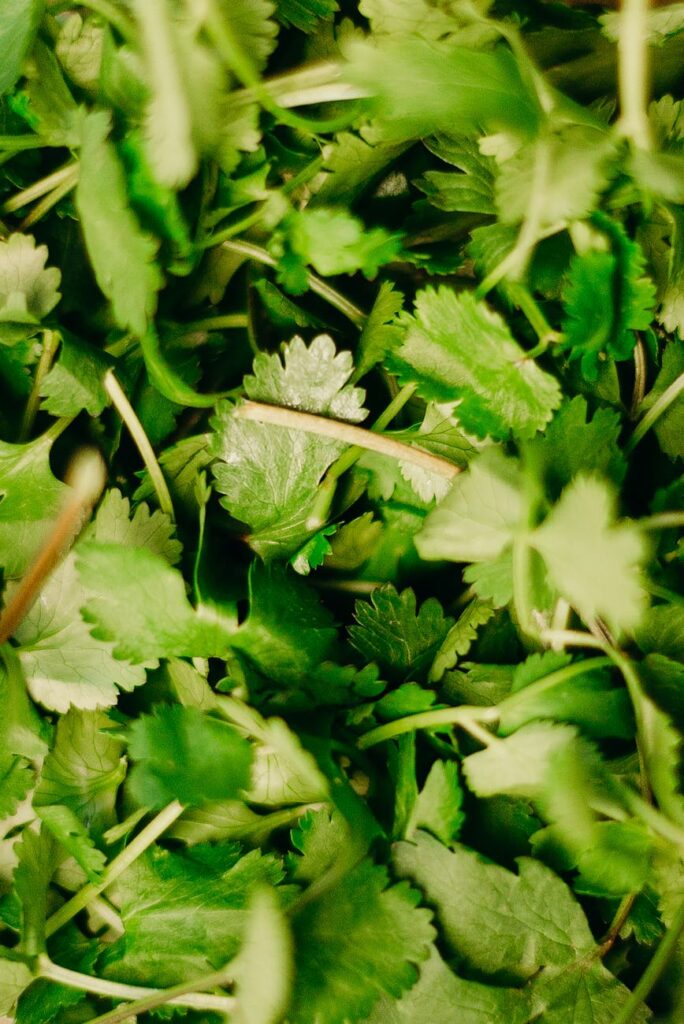
Cilantro (Coriandrum sativum) is an annual herb belonging to the Apiaceae family, which also includes carrots, parsley, and fennel. The leaves and stems are known as cilantro, while the seeds are referred to as coriander. This dual identity often leads to confusion, but each part of the plant has distinct uses and flavors. Cilantro leaves are fresh and citrusy, while the seeds carry a warm, nutty flavor.
History and Origins
Cilantro has a rich history that spans thousands of years. Its origins can be traced back to the Mediterranean and parts of Asia. Archaeological evidence suggests that cilantro was cultivated as early as 5000 BCE in ancient Egypt, where it was used not only in cooking but also in the embalming process. The herb later spread to various regions, including Greece, Rome, and the Indian subcontinent.
In many cultures, cilantro has been celebrated for its culinary uses as well as its symbolic significance. In traditional Chinese medicine, it is believed to have properties that promote digestive health. As global trade routes expanded, cilantro found its way into diverse cuisines, becoming a staple in Latin American, Middle Eastern, and Asian dishes.
Production and Processing
Cilantro is cultivated in a variety of climates, thriving in regions with moderate temperatures. Major producers include the United States, Mexico, and India. The herb is typically grown from seeds, with a preference for well-drained soil rich in organic matter.
Harvesting cilantro involves cutting the stems just above the soil line to encourage regrowth. The leaves are often harvested before the plant flowers, as the flavor is more intense at this stage. Post-harvest, cilantro is washed, sorted, and packaged for distribution. It’s important to note that cilantro has a relatively short shelf life due to its high moisture content and delicate nature.
Quality and Grading
The quality of cilantro is influenced by various factors, including freshness, aroma, and color. Fresh cilantro should have bright green leaves, a vibrant fragrance, and no signs of wilting or browning. Grading typically involves assessing the herb’s moisture content and absence of pests or disease.
In commercial markets, cilantro may be categorized into grades based on these quality indicators. Higher-grade cilantro is more desirable for culinary applications, while lower grades may be suitable for processing or use in sauces and condiments.
Buying Considerations
When purchasing cilantro, there are several aspects to consider:
1. Freshness: Look for vibrant green leaves that are firm and free from blemishes. Avoid bunches that appear wilted or discolored.
2. Organic vs. Conventional: Organic cilantro may be preferred for those seeking to avoid pesticides and chemicals. However, it is essential to wash all cilantro thoroughly, regardless of its growing method.
3. Seasonality: Cilantro is typically available year-round, but its peak season varies by region. In some areas, cilantro may be more aromatic and flavorful during specific months.
4. Form: Cilantro can be found fresh, dried, or as an oil. Fresh cilantro offers the best flavor, while dried cilantro may be used as a convenient option in various dishes.
5. Sourcing: Local farmers’ markets often provide fresher options compared to grocery stores. Knowing where your cilantro comes from can enhance flavor and support local agriculture.
Uses and Applications
Cilantro’s versatility extends to various culinary applications. Its bright flavor enhances a wide range of dishes:
- Garnishing: Fresh cilantro is often used as a garnish for soups, stews, and salads. Its vibrant color and aroma elevate the visual and sensory appeal of a dish.
- Salsas and Sauces: Cilantro is a key ingredient in many salsas, particularly in Mexican cuisine. Its bright flavor complements tomatoes, onions, and lime.
- Marinades: The herb’s aromatic qualities make it an excellent addition to marinades for meats, seafood, and vegetables.
- Curries and Stir-Fries: In Indian and Asian cuisines, cilantro is frequently used in curries and stir-fries, providing an uplifting contrast to rich flavors.
- Drinks: Cilantro can also find its way into beverages, particularly in cocktails like mojitos or as a garnish in refreshing herbal teas.
- Refrigeration: Store fresh cilantro in the refrigerator, ideally in a sealed plastic bag with a damp paper towel to maintain moisture.
- Water Method: Alternatively, you can place the stems in a glass of water, cover the leaves with a plastic bag, and store it in the fridge. This method can help prolong the herb’s freshness.
- Drying: If you have an abundance of cilantro, consider drying it. This can be done by air drying or using a dehydrator. Dried cilantro should be stored in an airtight container in a cool, dark place.
- Flavor Preference: Many people either love or dislike cilantro, with some claiming it tastes like soap. This phenomenon is
Storage and Shelf Life
Proper storage is crucial for maintaining the freshness of cilantro. Here are key tips:
The shelf life of cilantro varies depending on its form. Fresh cilantro can last up to a week in optimal conditions, while dried cilantro may retain its flavor for several months.
Common Misconceptions
Cilantro is often surrounded by misconceptions. Here are a few clarifications: