
Cilantro in Traditional Cuisine
Introduction
Cilantro, known as coriander in many parts of the world, is a herb that has captivated the palates of diverse cultures for centuries. Its distinct flavor profile, characterized by a fresh, citrusy taste, makes it a staple in numerous traditional cuisines. While cilantro is often a subject of culinary debate—some love its bold flavor, while others find it unpalatable—it remains an essential ingredient that bridges various culinary traditions. This article delves into the multifaceted uses of cilantro in traditional cuisine, exploring its history, production, applications, and more.
What Is Uses?
In culinary terms, “uses” refers to the various ways an ingredient can be incorporated into cooking and food preparation. This encompasses its roles in flavoring, garnishing, and even preservation. For cilantro, its uses extend beyond mere seasoning; it plays a significant role in enhancing the visual appeal of dishes and contributing to the cultural identity of culinary traditions.
History and Origins
Cilantro is believed to have originated in the Mediterranean region and has been cultivated since antiquity. Historical texts suggest that cilantro was used by the ancient Egyptians, Greeks, and Romans. It is mentioned in the Bible and is one of the herbs found in the tombs of pharaohs.
Over time, cilantro spread across the globe, becoming integral to various cuisines. In Asia, it is a fundamental ingredient in Indian, Thai, and Chinese cooking, while in Latin America, it features prominently in Mexican dishes. Its adaptability and robust flavor made it a favorite among culinary enthusiasts worldwide.
Production and Processing
Cilantro is typically grown in temperate climates, thriving in well-drained soil with ample sunlight. The plant can be harvested multiple times throughout its growing cycle, with the leaves being the most sought-after part. Once harvested, cilantro is often processed quickly to maintain its freshness and flavor.
In regions where cilantro is commercially cultivated, it undergoes several stages of processing, including washing, sorting, and packaging. This is essential for maintaining quality, given cilantro’s susceptibility to wilting and decay. Fresh cilantro is usually sold in bunches, while dried cilantro, though less fragrant, is also available.
Quality and Grading
The quality of cilantro is determined by several factors, including leaf color, aroma, and texture. Fresh cilantro should have vibrant green leaves and a fragrant aroma. Grading systems may vary by region, but generally, higher-quality cilantro is characterized by:
- Vibrancy: Leaves should be bright green without yellowing or browning.
- Aroma: Fresh cilantro should have a strong, pleasant scent.
- Texture: Leaves should be crisp and free from wilting or damage.
- Flavor Perception: Some people have a genetic predisposition that makes them perceive cilantro’s flavor as soapy or unpleasant. This is due to the presence of certain aldehydes in the herb that can trigger this reaction.
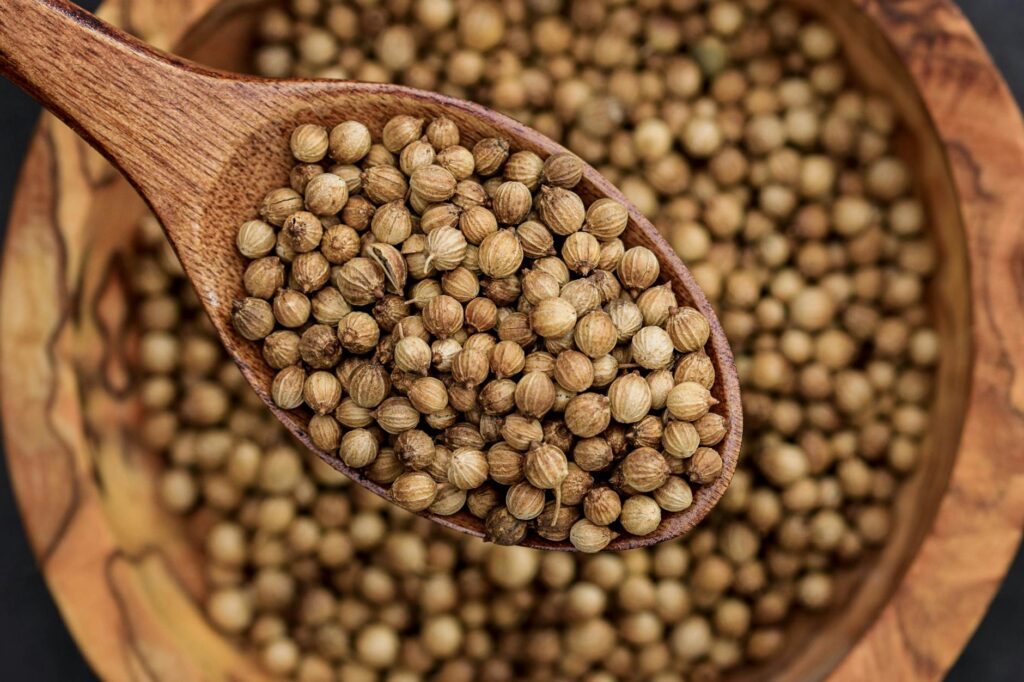
- Cilantro vs. Coriander: While often used interchangeably, cilantro refers specifically to the leaves of the coriander plant, while coriander commonly refers to the seeds. This distinction is crucial
Grading is crucial for chefs and consumers alike, as higher-quality cilantro will enhance the taste and presentation of dishes.
Buying Considerations
When purchasing cilantro, several factors should be taken into account. Freshness is paramount; look for bunches that are vibrant and firm. Avoid any cilantro that appears wilted or discolored. If buying pre-packaged cilantro, check for a sell-by date to ensure freshness.
For dried cilantro, quality is less visually apparent, so purchasing from reputable suppliers is advisable. It is also essential to consider whether the cilantro is organic, as this may influence flavor, aroma, and pesticide exposure.
Uses and Applications
Cilantro’s versatility is one of its most appealing characteristics, allowing it to be used in a myriad of ways across traditional cuisines:
1. Flavoring Agent
Cilantro is predominantly used as a flavoring agent in cooking. In Indian cuisine, it is often blended into curries and salsas, where its fresh taste complements the richness of spices. Thai cuisine frequently incorporates cilantro into soups and salads, enhancing the overall flavor profile. In Mexican cooking, cilantro is a key ingredient in salsa verde and guacamole, contributing a distinct zest.
2. Garnishing
In addition to its role as a flavor enhancer, cilantro is often used as a garnish. The bright green leaves add visual appeal to dishes, making them more enticing. In Vietnamese cuisine, for example, cilantro is commonly sprinkled over pho, lending both flavor and color.
3. Preservation
Cilantro also plays a role in food preservation. The herb contains antioxidants that can help inhibit spoilage. In traditional pickling processes, cilantro may be included to enhance flavor and extend shelf life.
4. Cultural Significance
Beyond its culinary applications, cilantro holds cultural significance in various societies. In many Latin American countries, it is a symbol of identity and tradition, often featured in festive meals and family gatherings. In Indian culture, cilantro is associated with hospitality and is frequently used in dishes served to guests.
Storage and Shelf Life
Cilantro is best used fresh, but proper storage can extend its shelf life. Fresh cilantro should be stored upright in a glass of water, much like a bouquet of flowers, and can be covered loosely with a plastic bag to maintain humidity. This method can keep cilantro fresh for up to a week.
If you need to store cilantro for a longer period, consider freezing it. Chopped cilantro can be placed in ice cube trays with a small amount of water or oil, allowing for easy use in future dishes. Dried cilantro should be kept in an airtight container in a cool, dark place, where it can last for several months.
Common Misconceptions
Cilantro is often misunderstood, leading to several misconceptions: