
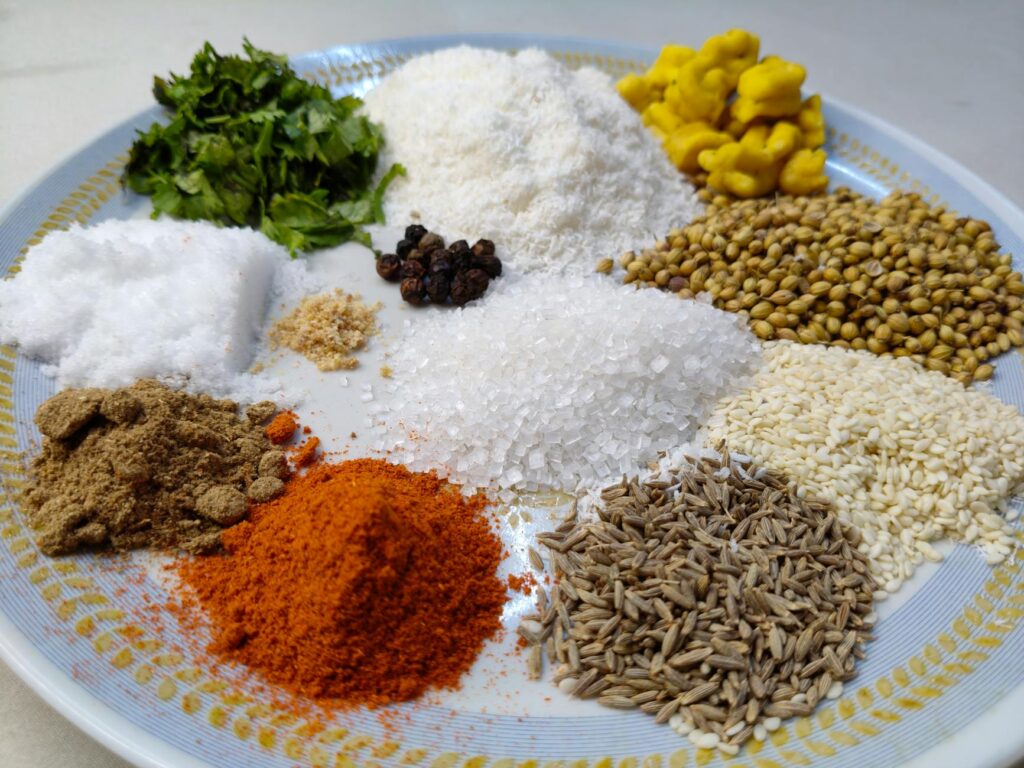
Cilantro Production by Country
Introduction
Cilantro, also known as coriander in many parts of the world, is a vibrant herb widely recognized for its unique aroma and flavor. It is an essential ingredient in various cuisines, ranging from Latin American to Asian, enriching dishes with its distinct taste. This article explores the production of cilantro across different countries, examining the factors that influence its growth, processing methods, quality grading, and more.
What Is Regions?
In the context of cilantro production, “regions” refers to the geographical areas where cilantro is cultivated. These regions can have a significant impact on the herb’s flavor profile, yield, and overall quality. Factors such as climate, soil type, and agricultural practices vary across regions, influencing the characteristics of the cilantro produced.
History and Origins
Cilantro has an ancient history that traces back thousands of years. It is believed to have originated in the Mediterranean and Western Asia, where it was used for culinary and medicinal purposes. Archaeological evidence suggests that cilantro was cultivated in ancient Egypt, and it has been referenced in various historical texts, including the Bible.
Throughout history, cilantro spread to different parts of the world. By the Middle Ages, it was being grown throughout Europe, while in Asia, it became a staple in Indian and Chinese cuisines. Today, cilantro is cultivated in numerous countries, reflecting its global appeal and versatility in cooking.
Production and Processing
Global Production Overview
Cilantro is grown in many countries, but the largest producers include:
1. Mexico: As one of the leading producers, Mexico boasts favorable climate conditions for cilantro cultivation. The herb is grown year-round, with the majority of production occurring in the states of Sinaloa, Puebla, and Veracruz.
2. United States: In the U.S., California is the primary cilantro-producing state, benefiting from a Mediterranean climate. Cilantro is typically planted in early spring and again in late summer to ensure continuous harvests.
3. India: India is another significant producer, where cilantro is often grown alongside other crops. The herb is a staple in Indian cuisine, and its production aligns with the monsoon season to take advantage of the natural irrigation.
4. China: Known for its culinary diversity, cilantro is widely cultivated in China, especially in the southern provinces. The herb is essential in various dishes, and its production is supported by both small-scale farmers and larger agricultural enterprises.
5. Other Countries: Other notable producers include Indonesia, Thailand, and various countries in Central and South America, each contributing to the global cilantro supply.
Cultivation Practices
Cilantro thrives in well-drained soil with plenty of sunlight. It prefers temperatures between 50°F and 85°F (10°C to 29°C), making it adaptable to various growing conditions. Cultivation practices can include:
- Seeding: Cilantro is typically sown directly into the soil. Farmers may choose to sow seeds in rows or broadcast them over larger areas for wild growth.
- Watering: Regular irrigation is essential, particularly in dry regions. However, overwatering can lead to root rot, so balance is crucial.
- Harvesting: Cilantro is usually harvested multiple times throughout its growing cycle. The leaves can be cut when they are young and tender, while the seeds (coriander) are harvested once they have dried on the plant.
- Grade A: Bright green leaves, fresh aroma, and no signs of wilting or yellowing. These are often the highest quality and command premium prices.
- Grade B: Slightly less vibrant in color, with some signs of wilting or minor blemishes. Still suitable for culinary use but may not be as visually appealing.
- Grade C: Dull color, significant wilting, or visible damage. Generally used for processing rather than fresh consumption.
- Salsas and Sauces: Fresh cilantro adds a burst of flavor to salsas and dipping sauces, enhancing dishes like tacos and grilled meats.
- Soups and Stews: It is often used as a garnish in soups and stews, imparting a fresh aroma and flavor.
- Salads: Cilantro can be a key ingredient in salads, providing a refreshing contrast to richer flavors.
- Garnishes: Fresh cilantro leaves are frequently used as a garnish for dishes like curries, rice, and grilled meats.
- Refrigeration: Store cilantro in the refrigerator, ideally in a perforated plastic bag to allow for some airflow. This helps prevent wilting.
- Water Method: Consider placing the stems in a glass of water and covering the leaves with a plastic bag. This method can keep cilantro fresh for longer.
- Freezing: If you have an excess of cilantro, you can chop and freeze it in ice cube trays with a little water or oil. This allows for easy use in the future.
Quality and Grading
The quality of cilantro is determined by several factors, including freshness, color, aroma, and absence of blemishes or pests. Grading typically follows these criteria:
Farmers and distributors often utilize these grading systems to ensure that consumers receive quality cilantro and to maintain market standards.
Buying Considerations
When purchasing cilantro, several factors should be considered to ensure quality:
1. Freshness: Look for bright green leaves and a fresh aroma. Avoid cilantro that appears wilted or yellowing.
2. Source: Consider where the cilantro is grown. Locally sourced herbs may be fresher and have a lower environmental impact due to reduced transportation needs.
3. Organic vs. Conventional: Organic cilantro is grown without synthetic pesticides or fertilizers. While it may be more expensive, many consumers prefer organic options for health and environmental reasons.
4. Whole vs. Chopped: Whole cilantro retains its freshness longer than pre-chopped varieties. If possible, purchase whole bunches and chop them as needed.
5. Seasonality: Cilantro can have varying availability based on the growing season in different regions. Understanding when cilantro is in season can help you make informed purchasing decisions.
Uses and Applications
Cilantro’s versatility extends to various culinary applications. It is commonly used in:
Beyond culinary uses, cilantro is also employed in various cultural practices and cuisines around the world, often symbolizing freshness and vibrancy.
Storage and Shelf Life
To maximize the shelf life of cilantro, proper storage techniques are essential. Here are some tips:
Fresh cilantro typically lasts about 7 to 10 days in the refrigerator. However, proper storage can extend its life, ensuring that you can enjoy its vibrant flavor for longer.
Common Misconceptions
Cilantro often sparks debate and confusion, leading to several common misconceptions:
1. Cilantro and Coriander Are the Same: While cilantro refers to the leaves of the plant, coriander denotes the seeds. Both come from the same plant, but their uses and flavors differ significantly.
2. Cilantro Is Always Bad for You: Some people claim that cilantro has a soapy taste, which can lead to the belief that it is unpalatable. This perception is due to genetic differences affecting taste perception, not an inherent quality of the herb.
3. Cilantro Is Only Used in Mexican Cuisine: Though cilantro is a staple in Mexican cuisine, it is equally important in Indian, Middle Eastern, and Southeast Asian cooking, showcasing its versatility.
4. Storing Cilantro in Water Is Ineffective: Properly stored in water, cilantro can remain fresh longer than when stored dry. This method is often overlooked but can be highly effective.
Frequently Asked Questions
1. What is the best way to wash cilantro?
Rinse cilantro under cold running water while gently shaking off any dirt or debris. Pat dry with a clean towel or use a salad spinner to remove excess moisture.
2. Can I grow cilantro indoors?
Yes, cilantro can be grown indoors as long as it receives adequate sunlight (about 6 hours daily) and is planted in well-draining soil.
3. Why does cilantro taste like soap to some people?
This phenomenon is due to genetic differences in taste perception. Certain individuals have genes that make them more sensitive to aldehyde chemicals found in cilantro.
4. How can I tell if cilantro has gone bad?
Signs of spoilage include yellowing leaves, a slimy texture, or a foul odor. If any of these symptoms are present, it is best to discard the cilantro.
5. Is it safe to eat cilantro in large quantities?
While cilantro is generally safe for most people, excessive consumption may lead to digestive issues. Moderation is key, as with any herb.
6. Can cilantro be used in cooking, or is it just a garnish?
Cilantro is versatile and can be used in cooking as well as a garnish. It enhances the flavor of various dishes, making it a valuable ingredient in many cuisines.
In conclusion, cilantro is a globally appreciated herb with a rich history and diverse applications. Understanding its production across different countries, as well as its quality, storage, and uses, enhances our appreciation for this vibrant ingredient. Whether you’re a culinary enthusiast or a casual cook, cilantro offers unique flavors and aromas that can elevate any dish.