
Cinnamon ABout Guide Part 6
Introduction
Cinnamon, a beloved spice with a rich aroma and distinctive flavor, has transcended its role in the culinary world to become a staple in various cultures and cuisines. It is not only prized for its taste but also for its historical significance, production intricacies, and wide-ranging applications. This comprehensive guide delves into the many facets of cinnamon, offering insights into its history, production, and practical considerations for consumers and culinary professionals alike.
What Is ABout?
The term “ABout” in this context refers to an in-depth exploration of a particular ingredient, focusing on its various aspects—from its historical roots to its modern-day applications. This guide aims to illuminate the complexities surrounding cinnamon, equipping readers with knowledge that enhances their appreciation and use of this versatile spice. By understanding the nuances of cinnamon, one can make informed decisions regarding its selection, storage, and culinary implementation.
History and Origins
Cinnamon has a storied history that dates back thousands of years. Its origins can be traced to the Cinnamomum tree species, primarily Cinnamomum verum (true cinnamon) and Cinnamomum cassia (cassia cinnamon). The spice was highly valued in ancient civilizations, often considered more precious than gold.
In ancient Egypt, cinnamon was used in the mummification process and as a sacred offering in rituals. The spice made its way to Europe via trade routes established by the Phoenicians and later the Romans, where it quickly gained popularity among the aristocracy. By the Middle Ages, cinnamon had become a significant commodity, leading to the establishment of trade monopolies by various European nations.
The quest for cinnamon and other valuable spices played a crucial role in the Age of Exploration, spurring voyages that ultimately altered global trade dynamics. Today, cinnamon is cultivated in tropical regions worldwide, with Sri Lanka, Indonesia, Vietnam, and China being the largest producers.
Production and Processing
The production of cinnamon involves several meticulous steps, beginning with the harvesting of the inner bark of the Cinnamomum trees. The best-quality cinnamon is harvested during the rainy season when the bark is most pliable. Harvesters carefully peel away the outer bark, exposing the inner bark, which is then cut into strips and allowed to dry.
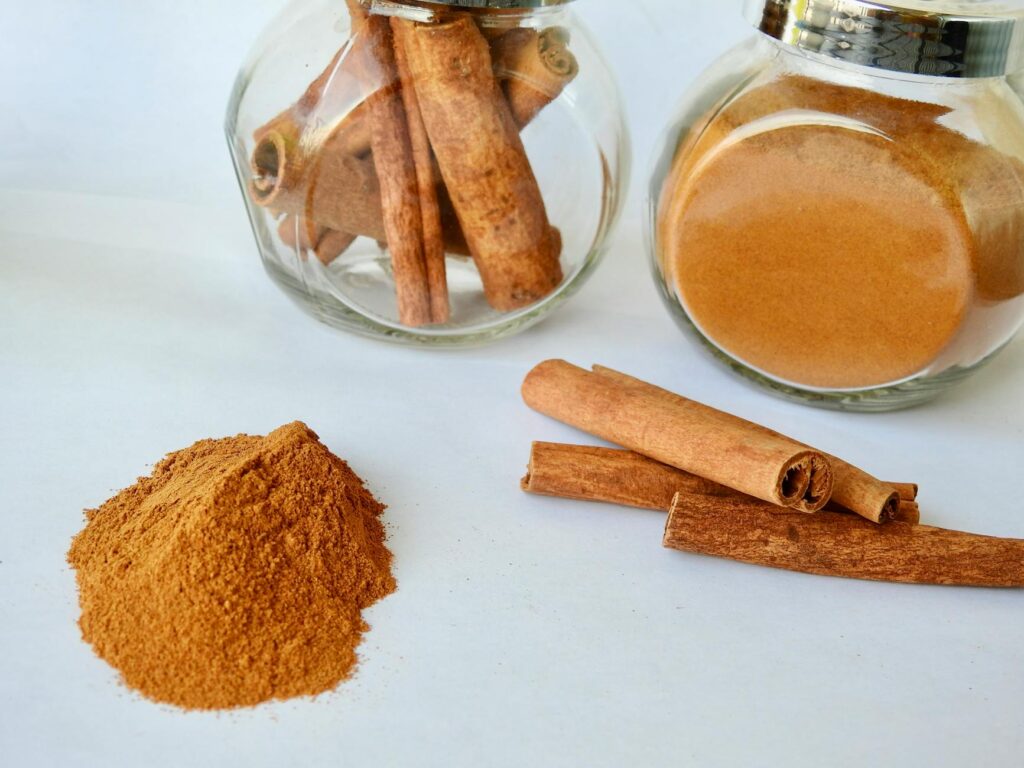
When dried, the strips curl into the characteristic quills that are familiar to consumers. The processing methods differ between true cinnamon and cassia; true cinnamon is generally considered to have a more delicate flavor and is lighter in color, while cassia has a stronger, spicier taste and is darker in hue.
After drying, the cinnamon is sorted and graded based on its quality. Factors such as aroma, flavor profile, and appearance are crucial in determining its grade. High-quality cinnamon has a sweet, warm aroma and a complex flavor, while lower grades may exhibit bitterness or lack the depth of flavor.
Quality and Grading
Cinnamon is graded based on several criteria, including color, aroma, and moisture content. High-quality cinnamon, particularly Ceylon cinnamon (Cinnamomum verum), is often sought after for its superior taste and lower coumarin content, a compound that can be toxic in large quantities.
Grades of cinnamon can include:
1. Ceylon Cinnamon: Known as “true cinnamon,” it has a light brown color and a delicate, sweet flavor. Its quills are thin and easy to break, and it is primarily produced in Sri Lanka.
2. Cassia Cinnamon: This variety is darker and has a stronger flavor. It is more commonly found in supermarkets and is produced mainly in Indonesia and China. Cassia cinnamon has a thicker, harder quill.
3. Saigon Cinnamon: A type of cassia, it is noted for its intense flavor and high oil content, making it a favorite among professional chefs.
4. Korintje Cinnamon: Another cassia variety, it is often used in commercial baking for its robust flavor and aroma.
When purchasing cinnamon, consumers should look for whole quills or freshly ground powder. Ground cinnamon can lose its potency over time, so whole quills are often preferred for maximum flavor.
Buying Considerations
When selecting cinnamon, several factors should be taken into account to ensure you are purchasing a high-quality product:
1. Type: Determine whether you prefer Ceylon or cassia cinnamon based on your taste preferences and intended uses.
2. Form: Opt for whole quills whenever possible, as they retain their flavor longer than pre-ground cinnamon. If purchasing ground cinnamon, look for brands that provide a harvest date.
3. Origin: Check the label for the country of origin. Ceylon cinnamon from Sri Lanka is often considered the gold standard, while cassia cinnamon is more widely available.
4. Freshness: Look for products that indicate they are freshly harvested or ground. Aromatic potency is crucial for a satisfying culinary experience.
5. Organic Certification: If sustainability and pesticide use are concerns, consider purchasing organic cinnamon. This ensures that the spice is grown without synthetic fertilizers or pesticides.
6. Packaging: Choose well-packaged products that protect the cinnamon from light and moisture, which can degrade quality over time.
Uses and Applications
Cinnamon is an incredibly versatile spice, with uses that span culinary, aromatic, and even decorative applications. In cooking, it adds warmth and complexity to both sweet and savory dishes. Its flavor profile complements a range of ingredients, from fruits and nuts to meats and grains.
Cinnamon is a popular ingredient in baked goods, such as cinnamon rolls, cookies, and cakes. It also enhances beverages like chai tea, spiced cider, and mulled wine. In savory dishes, it can be found in Middle Eastern stews and spice blends, where it adds depth and warmth.
Beyond the kitchen, cinnamon is often used