
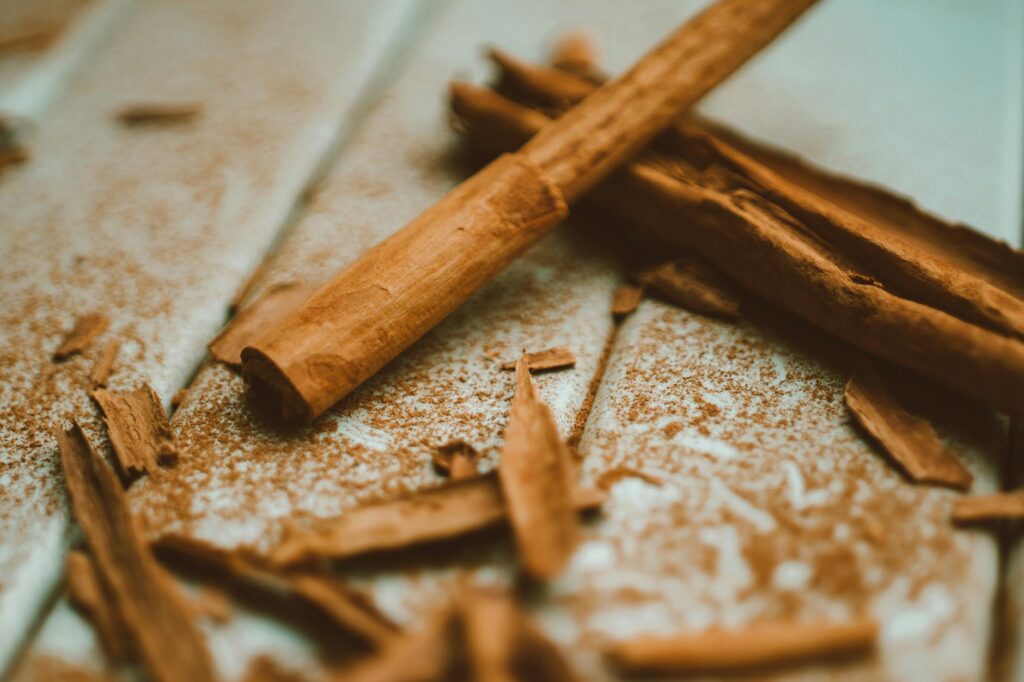
Cinnamon Buying Guide Part 7
Introduction
Cinnamon, often celebrated for its warm, aromatic flavor, is a staple in kitchens around the globe. As a vital ingredient in both sweet and savory dishes, its versatility extends beyond cooking into realms of health, fragrance, and cultural significance. This guide aims to provide comprehensive insights into the buying process for cinnamon, ensuring that culinary enthusiasts and professionals alike can select the best quality for their needs.
What Is Buying?
Buying refers to the process of purchasing goods, in this instance, cinnamon, with an understanding of quality, sourcing, and market dynamics. The act of buying cinnamon extends beyond mere transaction; it encompasses knowledge of the product’s origins, processing methods, and the various forms it takes in the market. An informed buyer is equipped to navigate the complexities of ingredient selection—understanding the nuances of flavor, aroma, and overall quality.
History and Origins
Cinnamon has a storied history that can be traced back thousands of years. Originally harvested from the inner bark of trees from the genus Cinnamomum, this spice was once so valuable that it was considered a gift worthy of kings and was even used in ancient embalming practices by the Egyptians.
The most prominent varieties of cinnamon, Cinnamomum verum (true cinnamon) and Cinnamomum cassia (cassia cinnamon), originate from different regions. True cinnamon, known for its delicate flavor and complex aroma, primarily comes from Sri Lanka, while cassia cinnamon, characterized by its stronger, spicier notes, is widely produced in China and Indonesia.
The spice gained prominence along the spice trade routes, and its demand surged during the Middle Ages, leading to its cultivation in various tropical climates worldwide. Today, cinnamon is a global commodity, with its rich history enhancing its allure.
Production and Processing
Cinnamon production involves several steps, from cultivation to processing. The trees thrive in warm, tropical climates and typically take about two to three years to mature. Harvesting involves cutting the tree back to encourage new growth, after which the inner bark is carefully extracted.
Once harvested, the bark is scraped and allowed to ferment briefly, which enhances its flavor. The strips of bark are then rolled into quills and dried in the sun. Depending on the variety, the drying process can take several days, resulting in the distinct textures and appearances of the two main types of cinnamon.
In terms of processing, true cinnamon is often sold in quill form, while cassia cinnamon is typically ground into powder. Understanding the intricacies of cinnamon production can help buyers appreciate the value of what they are purchasing.
Quality and Grading
The quality of cinnamon varies significantly based on several factors, including its species, harvesting practices, and processing methods.
Grades of Cinnamon
1. Ceylon Cinnamon (True Cinnamon):
- Grade A: The highest quality, characterized by thin, soft quills and a delicate flavor profile with notes of sweetness and complexity.
- Grade B: Slightly thicker and more pungent, this grade may have a less refined flavor but is still suitable for various culinary uses.
- Grade A: Commonly found in stores, it features a strong, robust flavor but lacks the complexity of Ceylon cinnamon.
- Grade B and C: These grades are often used in processing and may contain more bark than the higher grades, resulting in a harsher flavor.
- Baking: Cinnamon is a staple in baked goods, from cinnamon rolls to pies, where it adds warmth and depth.
- Savory Dishes: It enhances the flavor of stews, curries, and marinades, particularly in Middle Eastern and Indian cuisines.
- Beverages: Cinnamon is frequently used to spice up teas, coffees, and even cocktails, lending a comforting aroma and flavor.
- Fragrance: Cinnamon is a popular ingredient in candles and essential oils, providing a warm, inviting scent.
- Cultural Significance: In various cultures, cinnamon is used in traditional rituals and celebrations, symbolizing warmth and community.
- Cool, Dry Place
2. Cassia Cinnamon:
Buyers should look for cinnamon that is aromatic and free from any musty or off-putting smells. High-quality cinnamon should also have a rich, warm color, whether in quill or powdered form.
Buying Considerations
When purchasing cinnamon, several considerations can guide your decision-making process:
Type of Cinnamon
Decide whether you prefer Ceylon or cassia cinnamon based on your culinary needs. Ceylon cinnamon is often favored for baking and desserts due to its subtle flavor, while cassia is frequently used in savory dishes and spice blends.
Form
Cinnamon is available in various forms, including whole quills, ground powder, and even extracts. Whole quills tend to retain flavor better over time, while ground cinnamon is more convenient for immediate use.
Freshness
Freshness is crucial for maximizing the flavor and aroma of cinnamon. Check the packaging for harvest dates or expiration dates. Cinnamon should have a strong, pleasant scent; if it lacks aroma, it may be old or of low quality.
Source
Research the source of your cinnamon. Look for reputable brands or suppliers that prioritize ethical sourcing and sustainable practices. Consider purchasing from specialty spice shops or organic suppliers to ensure quality and integrity.
Packaging
Cinnamon often comes in glass jars, plastic containers, or vacuum-sealed bags. Choose packaging that protects the spice from light and moisture, as these factors can degrade its quality over time.
Uses and Applications
Cinnamon is a versatile ingredient with applications that extend well beyond the kitchen.
Culinary Uses
Non-Culinary Uses
Storage and Shelf Life
Proper storage is essential to maintain the quality of cinnamon.