
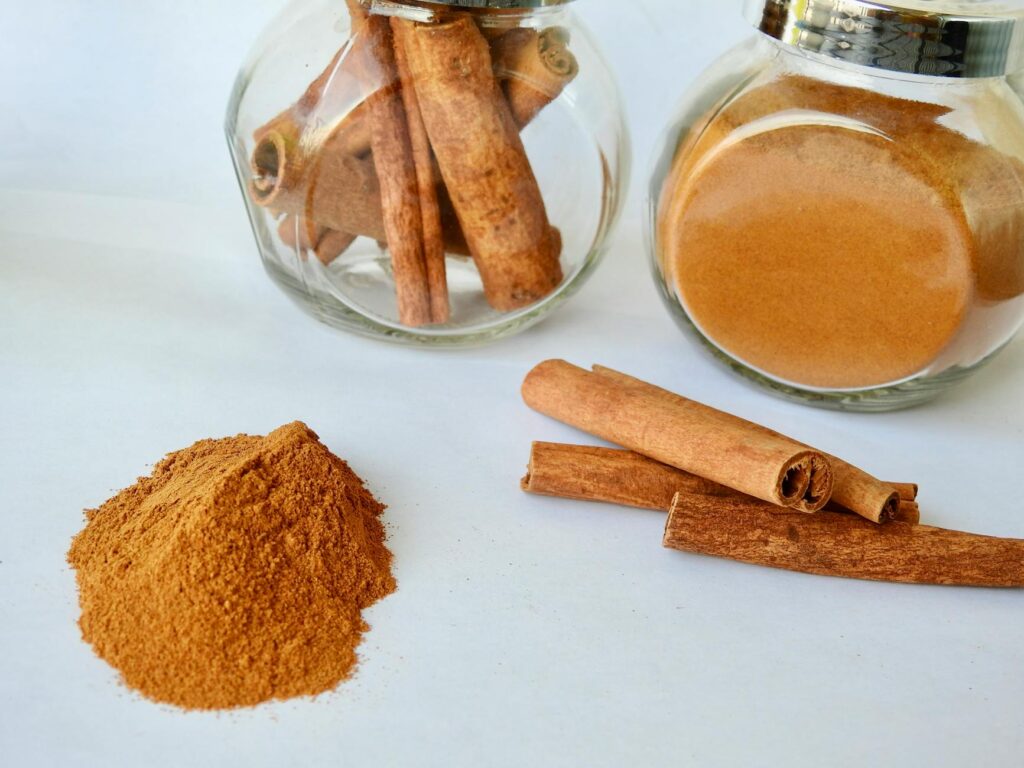
Cinnamon Growing Guide Part 6
Introduction
Cinnamon, derived from the inner bark of trees belonging to the genus Cinnamomum, is a spice cherished across cultures for its distinctive flavor, aroma, and culinary versatility. While many enjoy cinnamon in their dishes, understanding its cultivation provides deeper insight into this beloved ingredient. This guide delves into the complexities of growing cinnamon, from its historical roots to its modern-day applications.
What Is Growing?
Growing refers to the cultivation process of plants, encompassing everything from seed selection and planting to care, harvest, and post-harvest processing. In the context of cinnamon, it involves understanding the specific conditions required for optimal growth, such as climate, soil, and care techniques. Successful cinnamon cultivation can yield high-quality bark, which is essential for culinary and commercial uses.
History and Origins
Cinnamon has a storied history that dates back thousands of years, with its origins traced to Southeast Asia, particularly Sri Lanka (formerly Ceylon) and parts of India. Ancient Egyptians prized it for its use in embalming and as a perfume, while in biblical texts, it is mentioned as a valuable trade good. The demand for cinnamon was so great that it spurred exploration and trade routes, leading to the establishment of the Spice Trade.
Through the centuries, two primary types of cinnamon have emerged: Ceylon cinnamon (Cinnamomum verum), often referred to as true cinnamon, and Cassia cinnamon (Cinnamomum cassia), which is more widely available today. Each variety has distinct characteristics, influencing its culinary applications and market value.
Production and Processing
Cultivation
Cinnamon trees thrive in tropical climates, requiring warm temperatures and high humidity. The ideal conditions include:
- Temperature: A consistent range of 20°C to 30°C (68°F to 86°F).
- Rainfall: An annual precipitation of 1,200 to 2,500 mm (47 to 98 inches), with a well-distributed rainfall throughout the year.
- Soil: Well-drained, fertile soils enriched with organic matter.
- Appearance: High-quality cinnamon exhibits a smooth, thin, and curled quill. The color should be a rich brown, indicating proper harvesting and drying.
- Aroma: Quality cinnamon has a robust, sweet aroma that is unmistakable. Inferior grades may have a muted scent or an unpleasant odor.
- Flavor: The taste should be sweet and warm, with a complex profile. Inferior grades may taste bitter or lack depth.
- Variety: Be clear about the type you need—Ceylon or Cassia. Ceylon is often sold as “true cinnamon” and may be more expensive but is valued for its flavor and health benefits.
- Form: Cinnamon is available in various forms, including whole sticks, ground powder, and essential oils. Whole sticks retain flavor longer than ground cinnamon, which can lose potency.
- Source: Opt for reputable suppliers who provide clear information about the origin and quality of their products. Organic certifications may also indicate higher quality.
- Baking: Often used in pastries, breads, and cookies, cinnamon adds warmth and depth to sweet dishes.
- Savory Dishes: In certain cultures, it is a key ingredient in spice blends for curries, stews, and marinades.
- Beverages: Cinnamon enhances the flavor of teas, coffees, and hot chocolate, providing a comforting aroma and taste.
- Preservation: Historically, cinnamon has been utilized for its antimicrobial properties, aiding in food preservation.
- Whole Sticks: Store in a cool, dark place in an airtight container. Whole cinnamon sticks can last for several years.
- Ground Cinnamon: Ground cinnamon should be stored similarly but has a shorter shelf life—typically around six months to a year—before its flavor begins to diminish.
- Temperature and Humidity: Keep cinnamon away from heat sources and moisture to prevent spoilage and loss of potency.
Cinnamon is typically propagated through cuttings or seeds. Cuttings from healthy, mature trees often produce better yields and maintain the parent tree’s quality traits.
Harvesting
Harvesting cinnamon involves a meticulous process that typically occurs during the wet season. Farmers carefully strip the bark in early spring when the tree’s sap flow is optimal. The outer bark is removed to reveal the inner bark, which is then harvested in long strips. After harvesting, the inner bark curls into quills as it dries—a hallmark of high-quality cinnamon.
Processing
Post-harvest, the cinnamon bark undergoes drying, where it is traditionally sun-dried or dried in controlled environments to prevent fungal growth. The dried quills are then graded based on their appearance, aroma, and flavor profile.
Quality and Grading
The quality of cinnamon is paramount in determining its culinary and commercial value. Grading is typically based on several factors:
Ceylon cinnamon is generally regarded as superior to Cassia due to its delicate flavor and lower coumarin content, a compound that can be harmful in large quantities.
Buying Considerations
When purchasing cinnamon, consider the following:
Uses and Applications
Cinnamon is celebrated for its versatility in culinary applications. Here are some common uses:
Beyond culinary uses, cinnamon is also employed in perfumery, cosmetics, and aromatherapy, demonstrating its multifaceted nature.
Storage and Shelf Life
To maintain the quality and flavor of cinnamon, proper storage is essential:
Common Misconceptions
1. Cinnamon is the Same Everywhere: Many people assume all cinnamon is identical. In reality, there are significant differences between Ceylon and Cassia cinnamon in terms of flavor, aroma, and health implications.
2. All Cinnamon is Healthy: While cinnamon does offer certain benefits, overconsumption—especially of Cassia cinnamon—can lead to