
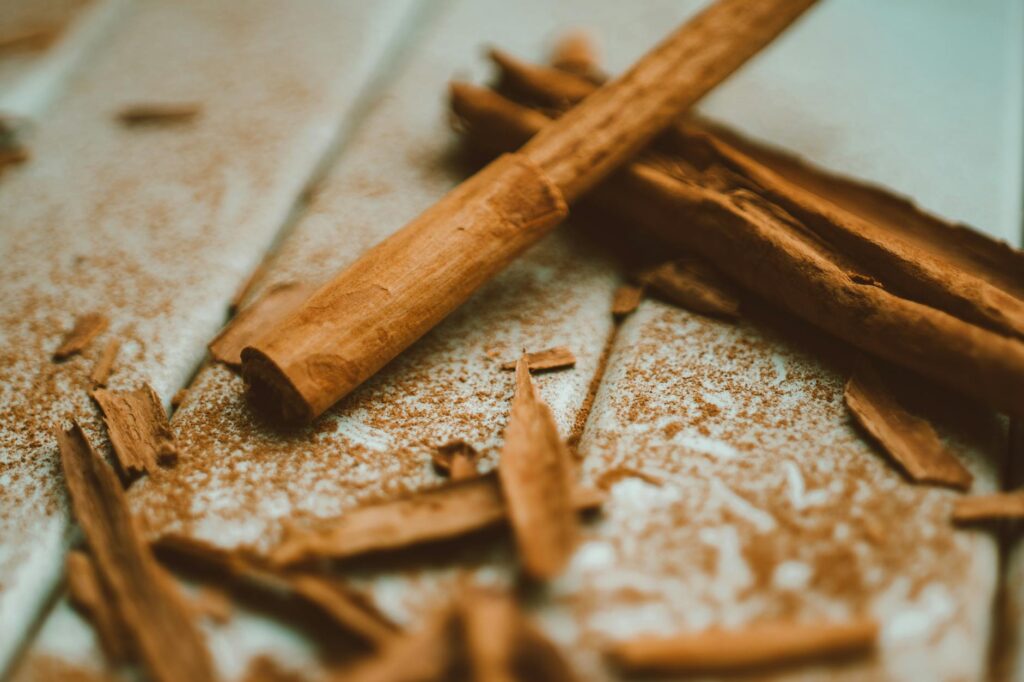
Cinnamon Growing Guide Part 7
Introduction
Cinnamon, a beloved spice known for its warm, sweet flavor and aromatic qualities, has been a staple in culinary traditions worldwide for centuries. While most people are familiar with the powdered form available in supermarkets, few understand the intricacies of growing cinnamon. This guide aims to provide a comprehensive understanding of cinnamon cultivation, from its historical roots to modern-day applications.
What Is Growing?
Growing refers to the cultivation of plants, encompassing various practices that enable the successful development of crops. In the context of cinnamon, growing involves understanding the specific requirements of the Cinnamomum species, primarily Cinnamomum verum (true cinnamon) and Cinnamomum cassia (cassia cinnamon). This process includes selecting the right environment, soil preparation, planting, and ongoing care to ensure the optimal growth and yield of cinnamon bark.
History and Origins
Cinnamon has a rich history that dates back thousands of years. Native to Sri Lanka and southern India, the spice was first mentioned in ancient Egyptian texts, where it was highly valued not just for its flavor, but also for its preservative qualities. The ancient Greeks and Romans prized cinnamon, often using it in religious ceremonies and as an aphrodisiac.
By the Middle Ages, cinnamon had become a crucial trade commodity, sought after by merchants and explorers alike. The spice trade routes played a vital role in the economic development of several regions. Today, countries such as Sri Lanka, Indonesia, Vietnam, and China are among the largest producers of cinnamon, each contributing unique varieties to the global market.
Production and Processing
Cultivation Conditions
Cinnamon thrives in tropical climates with temperatures ranging from 20°C to 30°C (68°F to 86°F). It prefers well-drained, loamy soils enriched with organic matter. The plant requires high humidity and regular rainfall, ideally between 1,500 mm to 2,500 mm (59 to 98 inches) annually.
Planting and Propagation
Cinnamon is typically propagated through cuttings or seeds. Cuttings taken from healthy, mature trees are preferred, as they root more readily and produce trees that are true to the parent plant. The cuttings should be about 30 cm (12 inches) long and planted in a nursery for about 6 to 12 months before being transferred to the field.
Maintenance
Once planted, cinnamon requires careful maintenance. Regular pruning is essential to stimulate new growth and enhance bark yield. Additionally, farmers must monitor for pests and diseases, such as scale insects and fungal infections, which can adversely affect production. Organic pest management techniques, including the use of neem oil and beneficial insects, can be effective in maintaining plant health.
Harvesting
Cinnamon is harvested primarily for its inner bark, which is collected during the rainy season, when the bark is easier to peel. The process involves carefully stripping the bark from young branches, which will later dry and curl into the familiar cinnamon sticks. Proper harvesting techniques are crucial to prevent damage to the tree and to ensure high-quality bark.
Quality and Grading
The quality of cinnamon is determined by several factors, including species, appearance, aroma, and flavor profile. True cinnamon (Cinnamomum verum) is generally considered superior due to its delicate flavor, while cassia cinnamon (Cinnamomum cassia) is more robust and pungent.
Grading Standards
Cinnamon is often graded based on its appearance and aromatic qualities. High-quality cinnamon should have a fine, smooth texture, a rich aroma, and a sweet, warm flavor. Grading may vary by region, but common classifications include:
- Grade A: Premium quality with a high concentration of essential oils, ideal for culinary applications.
- Grade B: Slightly lower quality, often used in baking and cooking.
- Grade C: Inferior quality, mainly used for industrial applications.
- Baking: Cinnamon is a key ingredient in numerous baked goods, including breads, pastries, and cookies.
- Savory Dishes: It complements meats and stews, particularly in Middle Eastern and Indian cuisines.
- Beverages: Cinnamon is popular in teas, coffees, and spiced drinks, adding warmth and character.
- Preserves and Sauces: Its flavor is often used in fruit preserves, jams, and sauces, enhancing sweetness and depth.
Buying Considerations
When purchasing cinnamon, several factors should be taken into account to ensure you are obtaining a high-quality product:
1. Type of Cinnamon: Decide between Cinnamomum verum and Cinnamomum cassia based on your culinary needs.
2. Form: Cinnamon is available in several forms: whole sticks, ground powder, and essential oil. Whole sticks generally retain flavor longer than ground cinnamon.
3. Source: Opt for reputable suppliers who provide origin information, as this can influence flavor and quality.
4. Organic Certification: Consider organic cinnamon, which is grown without synthetic pesticides and fertilizers, ensuring a more natural product.
5. Aroma and Flavor: Fresh cinnamon should have a strong, sweet aroma and a complex flavor profile. Avoid products with a dull or lackluster scent.
Uses and Applications
Cinnamon is versatile and can be used in various culinary applications. Its unique flavor enhances both sweet and savory dishes, making it a staple in many cuisines around the world.
Culinary Uses
Non-Culinary Uses
Beyond its culinary applications, cinnamon plays a role in perfumes, cosmetics, and incense. Its essential oil is often used in aromatherapy for its warming properties.
Storage and Shelf Life
Proper storage of cinnamon is essential to maintain its flavor and aroma. Whole cinnamon sticks can last for several years when stored in a cool, dark place, away from moisture and direct sunlight