
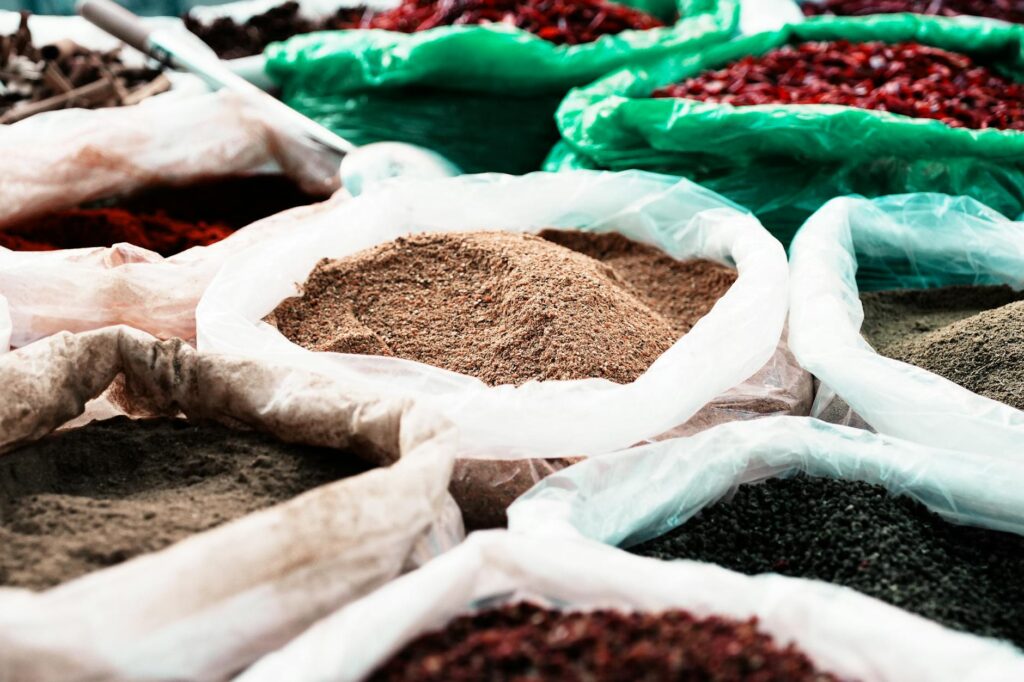
Cinnamon Production by Country
Introduction
Cinnamon, a spice treasured for its aromatic qualities and warm flavor, has a rich history and diverse applications in culinary, medicinal, and cosmetic fields. This article delves into the global production of cinnamon, exploring the regions where it thrives, the historical background of its cultivation, processing methods, and the standards of quality that govern its grading. Understanding the intricacies of cinnamon production by country can enhance appreciation for this beloved spice and inform purchasing decisions.
What Is Regions?
In the context of cinnamon, “regions” refers to the geographical areas that have established themselves as significant producers of the spice. These regions vary in climate, soil conditions, and agricultural practices, all of which influence the characteristics of the cinnamon produced. The primary countries known for cinnamon production include Sri Lanka, Indonesia, China, Vietnam, and India. Each region has developed unique methods and traditions surrounding cinnamon cultivation, leading to distinct varieties that cater to different markets and uses.
History and Origins
Cinnamon has a storied past that dates back thousands of years. Its origins can be traced to the ancient civilizations of Egypt, where it was highly prized not only for its flavor but also for its use in embalming and as a component in perfumes. The spice is derived from the inner bark of trees belonging to the genus Cinnamomum, with Cinnamomum verum, often referred to as “true cinnamon” or “Ceylon cinnamon,” being the most esteemed variety.
The trade routes that facilitated the exchange of cinnamon were integral to the spice trade, connecting the East with the West. By the Middle Ages, cinnamon had become a symbol of luxury and wealth in Europe. The Portuguese and later the Dutch monopolized the cinnamon trade, especially from Sri Lanka, which remains a crucial player in the global market today.
Production and Processing
Sri Lanka
Sri Lanka is the birthplace of Ceylon cinnamon, celebrated for its delicate, sweet flavor and light brown color. The production process begins with the careful harvesting of the cinnamon tree’s bark, which is typically done during the rainy season. After the inner bark is extracted, it is rolled and dried to create the familiar cinnamon quills.
The traditional methods employed in Sri Lanka have remained largely unchanged for centuries, emphasizing a labor-intensive approach that prioritizes quality over quantity. The country produces around 6,000 metric tons of cinnamon annually, with a significant portion exported to Europe and North America.
Indonesia
Indonesia is the largest producer of cinnamon globally, primarily exporting Cassia cinnamon (Cinnamomum cassia). The production process in Indonesia differs from that of Sri Lanka; the bark is thicker and has a stronger flavor profile, making it more suitable for industrial and culinary uses. Farmers often cultivate cinnamon in mixed plantations, allowing for biodiversity and sustainable farming practices.
Indonesia produces approximately 70% of the world’s cinnamon, with regions like Java and Sumatra being key production areas. The processing methods involve peeling the bark and drying it in the sun, leading to a more robust, earthy flavor distinct from Ceylon cinnamon.
China
China is known for its production of Cassia cinnamon, particularly in regions such as Yunnan and Sichuan. The Chinese variety is characterized by its strong aroma and is often used in traditional Chinese medicine as well as culinary applications. The processing methods involve multiple steps of drying and grinding, aimed at preserving the spice’s essential oils and flavor compounds.
Vietnam
Vietnamese cinnamon, or Saigon cinnamon (Cinnamomum loureiroi), is another significant player in the cinnamon market. Known for its high oil content and strong flavor, it is increasingly gaining popularity in gourmet cooking. The primary growing regions include Quang Nam and Gia Lai, where the humid climate and rich soil contribute to the spice’s unique characteristics.
Vietnam’s cinnamon production is often characterized by smallholder farming, where local farmers cultivate cinnamon alongside other crops. This approach not only supports local economies but also promotes sustainable agricultural practices.
India
India is a lesser-known producer of cinnamon, primarily cultivating varieties in Kerala and Tamil Nadu. Indian cinnamon has a flavor profile that can vary significantly, often leaning toward the spicier end of the spectrum. The production methods are similar to those in Sri Lanka, but the scale is smaller, making it more localized for domestic markets.
Quality and Grading
Cinnamon quality is determined by several factors, including its species, harvesting methods, and processing techniques. When grading cinnamon, key indicators include aroma, flavor, color, and physical characteristics such as the thickness of the quills.
Ceylon Cinnamon
Ceylon cinnamon is considered the gold standard. It is characterized by its thin, fragile quills and a sweet, light flavor. High-quality Ceylon cinnamon will have a complex aroma with hints of citrus and a subtle sweetness. The grading system often includes classifications such as “S Grade” (highest quality) to “A Grade” (lower quality).
Cassia Cinnamon
Cassia cinnamon, primarily from Indonesia and China, is usually thicker and darker than Ceylon cinnamon. It has a stronger, more pungent flavor and is often used in commercial spice blends. The grading system for Cassia cinnamon focuses on color and oil content, with higher grades typically exhibiting a more intense flavor profile.
Buying Considerations
When purchasing cinnamon, several factors should be taken into account:
1. Type of Cinnamon: Decide whether you prefer Ceylon or Cassia cinnamon based on your intended use and flavor preference.
2. Form: Cinnamon is available in various forms, including quills, ground powder, and essential oil. Choose based on your culinary needs.
3. Origin: Consider the country of origin, as it can influence flavor and quality. Authentic Ceylon cinnamon should be labeled as such.
4. Freshness: Purchasing whole quills often ensures freshness, as ground cinnamon can lose its potency over time.
5. Organic Certification: If sustainability and chemical-free products are priorities, look for organic certification.
6. Reputable Sources: Buy from reputable suppliers or specialty spice shops to ensure quality and authenticity.
Uses and Applications
Cinnamon’s versatility extends beyond flavoring baked goods. Its uses encompass:
- Culinary: From sweet pastries to savory dishes, cinnamon adds warmth and depth to a variety of cuisines.
- Beverages: It is a popular ingredient in teas, coffees, and cocktails, enhancing flavors and aromas.
- Preservation: Due to its antimicrobial properties, cinnamon has historically been used to preserve foods.
- Aromatherapy: Its essential oil is employed in diffusers and candles for its warm, inviting scent.
- Cosmetics: Cinnamon is often included in skincare products for its fragrance and potential benefits to skin health.
Storage and Shelf Life
Cinnamon should be stored in a cool, dry place away from direct sunlight to maintain its flavor and aroma. Whole quills can last for several years when stored properly, while ground cinnamon typically has a shorter shelf life of about six months to a year. To ensure maximum freshness, it is advisable to purchase in smaller quantities and keep the spice in an airtight container.
Common Misconceptions
1. All cinnamon is the same: Many people believe that all cinnamon varieties are identical. In reality, Ceylon and Cassia cinnamon differ significantly in flavor, aroma, and quality.
2. Cinnamon is only a spice: While commonly used as a spice, cinnamon has applications in traditional medicine, cosmetics, and aromatherapy.
3. Cinnamon is unhealthy: Some varieties, particularly Cassia cinnamon, contain coumarin, which can be harmful in large quantities. However, moderate consumption is generally safe.
4. Cinnamon can be substituted for each other: Ceylon and Cassia cinnamon have distinct flavor profiles; substituting one for the other may alter the intended taste of a dish.
Frequently Asked Questions
1. What is the difference between Ceylon and Cassia cinnamon?
Ceylon cinnamon (Cinnamomum verum) is thinner, sweeter, and more delicate, while Cassia cinnamon (Cinnamomum cassia) is thicker, bolder, and spicier. Ceylon is often referred to as “true cinnamon.”
2. How can I identify high-quality cinnamon?
High-quality cinnamon will have a strong, pleasant aroma and a rich flavor. Ceylon cinnamon is light brown and has thin quills, while Cassia is darker and thicker.
3. Is cinnamon safe for consumption?
In moderation, cinnamon is safe for most people. However, those with liver conditions should be cautious with Cassia cinnamon due to its coumarin content.
4. Can cinnamon be used in savory dishes?
Yes, cinnamon can enhance the flavor of savory dishes, particularly in Middle Eastern and Indian cuisines, where it is often used in stews and rice dishes.
5. What is the best way to store cinnamon?
Store cinnamon in a cool, dry place in an airtight container to maintain its flavor and aroma. Whole quills last longer than ground cinnamon.
6. Does cinnamon have any health benefits?
While cinnamon is often touted for various health benefits, it should be noted that scientific evidence is mixed. Always consult with a healthcare professional for any specific health concerns.
Conclusion
Cinnamon’s rich history and diverse production landscape underscore its significance in global cuisine and culture. Understanding the differences between the varieties and the regions of production can greatly enhance appreciation for this multifaceted spice. Whether used in culinary creations or appreciated for its aromatic qualities, cinnamon remains an enduring favorite in households around the world.