
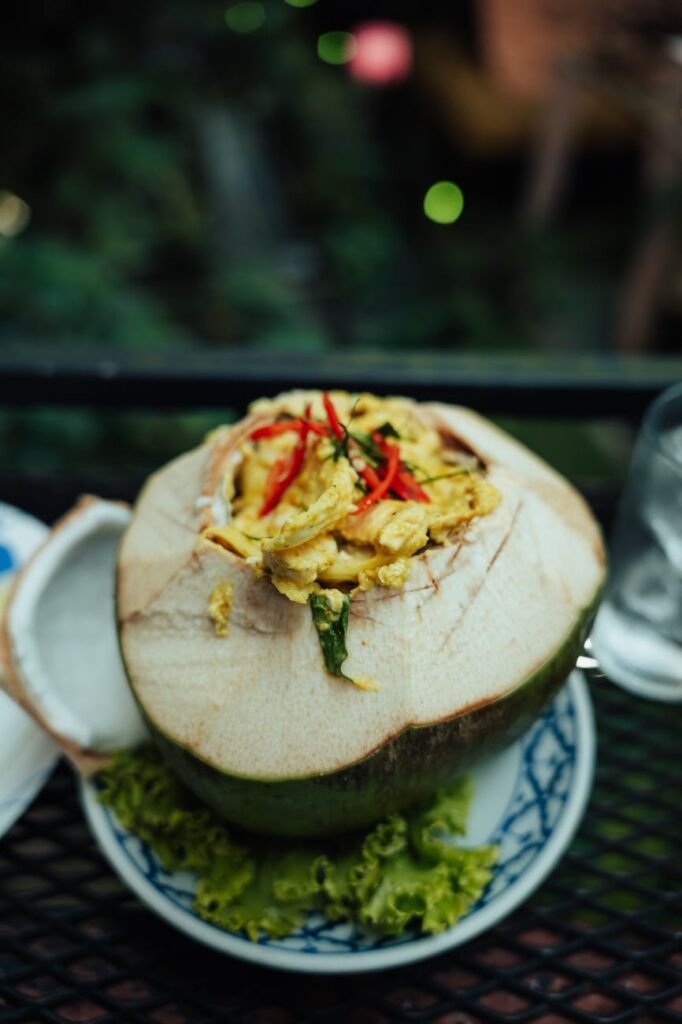
Coconut Buying Guide Part 7
Introduction
Coconut, a versatile and tropical ingredient, has captured the culinary world’s imagination and taste buds for centuries. As a staple in various cuisines—from Southeast Asian to Caribbean dishes—its myriad forms, including water, milk, oil, and meat, offer unique flavors and textures. Navigating the coconut market can be daunting due to the diversity of products available. This guide aims to equip you with knowledge about buying coconuts, ensuring you make informed choices based on quality, origin, and intended use.
What Is Buying?
Buying, in the context of food ingredients like coconut, refers to the process of selecting and purchasing products that meet specific standards and requirements. This includes evaluating the quality, freshness, and suitability of coconuts for particular culinary applications. Understanding the intricacies of buying coconuts can significantly enhance your cooking experiences and ingredient satisfaction.
History and Origins
The coconut palm (Cocos nucifera) is believed to have originated in Southeast Asia, with evidence suggesting its presence over 4,500 years ago. Ancient mariners likely spread the coconut across the oceans, leading to its cultivation in tropical regions worldwide. Coconuts have not only served as a vital food source but also played significant roles in cultural and spiritual practices. Today, countries like Indonesia, the Philippines, and India are among the largest producers, contributing to the global market and ensuring the coconut’s place in culinary traditions.
Production and Processing
Coconuts are harvested from palm trees typically found in tropical climates. The harvesting process can vary, but it generally involves climbing the tree or using specialized equipment to collect mature coconuts. The processing of coconuts also varies depending on the intended product:
1. Whole Coconuts: After harvesting, coconuts are cleaned and shipped whole. They can be sold with the outer husk intact or with the husk removed.
2. Coconut Water: Extracted from young, green coconuts, coconut water is harvested and packaged quickly to maintain freshness.
3. Coconut Milk and Cream: The meat of mature coconuts is grated and soaked in water, then pressed to extract the milk. This can be further processed to produce coconut cream.
4. Coconut Oil: Derived from dried coconut meat (copra) or fresh coconut meat, coconut oil is extracted through cold-pressing or solvent extraction methods.
Understanding these processes can help you select the best products based on your culinary needs.
Quality and Grading
When purchasing coconuts, quality is paramount. Freshness, appearance, and aroma are key indicators of quality. Here are some grading components to consider:
1. Whole Coconuts:
- Appearance: Look for coconuts with smooth, unblemished shells. Discoloration may indicate spoilage.
- Weight: A fresh coconut should feel heavy for its size, indicating ample water and meat.
- Clarity: Fresh coconut water should be clear and free of sediment.
- Taste: It should taste mildly sweet and refreshing, without any off-flavors.
- Texture: High-quality coconut milk should be creamy and homogeneous, not overly watery.
- Flavor: A rich, coconut flavor is essential; avoid products with artificial additives or preservatives.
- Color: Pure coconut oil is typically transparent or pale yellow.
- Aroma: It should have a pleasant coconut scent, free from rancidity.
- Coconut Water: A refreshing beverage enjoyed on its own or as a mixer in cocktails and smoothies.
- Coconut Milk: Commonly used in curries, soups, and desserts, adding a rich, creamy texture and flavor.
- Coconut Cream: Ideal for desserts, whipped toppings, and as a base for rich sauces.
- Coconut Oil: Favored for cooking due to its high smoke point and distinct flavor, it’s also popular in baking and frying.
- Whole Coconuts: Store in a cool, dry place. They can last for several weeks uncut but should be used promptly once cracked open.
- Coconut Water: Best consumed fresh, but unopened packaged coconut water can last several months. Once opened, it should be refrigerated and consumed within a few days.
- Coconut Milk and Cream: Store unopened cans or cartons in a cool, dark place. Once opened,
2. Coconut Water:
3. Coconut Milk and Cream:
4. Coconut Oil:
Understanding these quality indicators will help you make better purchasing decisions.
Buying Considerations
When buying coconuts, several factors should influence your decision:
1. Type of Coconut: Determine whether you need whole coconuts, coconut water, milk, cream, or oil based on your culinary application.
2. Freshness: Always check for the harvest date on packaged products. Freshness significantly affects flavor and nutritional value.
3. Source: Opt for coconuts sourced from reputable suppliers that prioritize sustainable farming practices. Organic options may also be available.
4. Packaging: For processed coconut products, examine the packaging for seals and labels indicating quality certification.
5. Price: While quality often correlates with price, be cautious of products that seem unusually cheap, as they may compromise on quality.
6. Local vs. Imported: Local coconuts may be fresher, but imported varieties can offer unique flavors and characteristics. Weigh the benefits of both options.
Uses and Applications
Coconuts are celebrated for their versatility across various culinary landscapes:
Understanding these applications will help you select the appropriate coconut products for your culinary endeavors.
Storage and Shelf Life
Proper storage is crucial to maintain the quality and longevity of coconut products: