
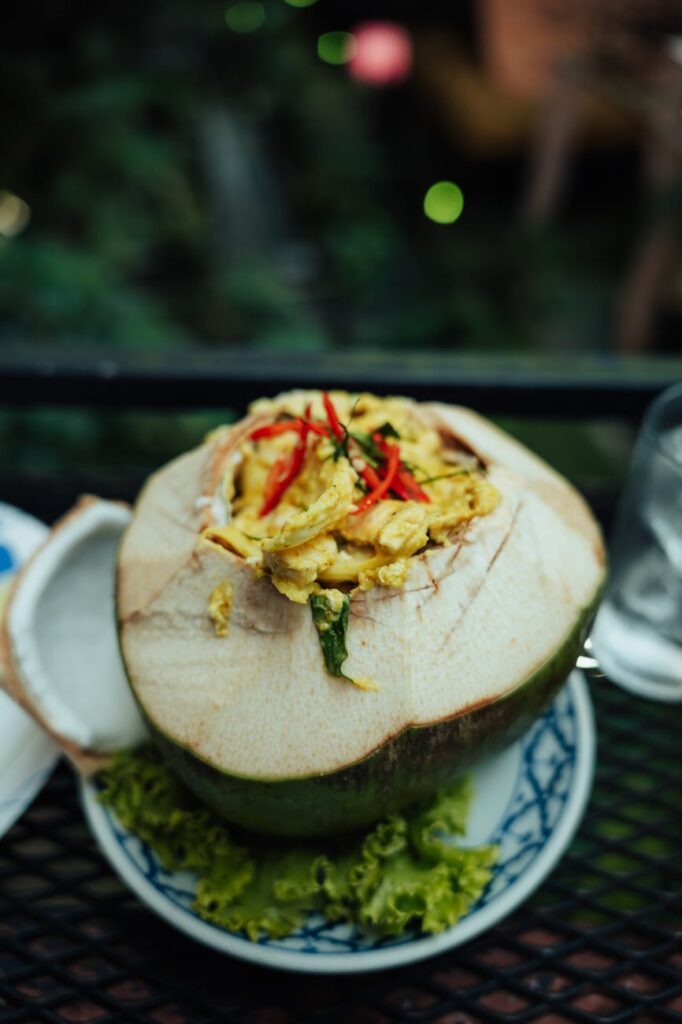
Coconut Growing Guide Part 7
Introduction
Coconuts, known scientifically as Cocos nucifera, are not just a staple in tropical cuisines but also an integral part of the economies of many countries. The coconut palm, often referred to as the “tree of life,” provides a myriad of products ranging from the fruit itself to oil, milk, and fiber. Understanding the intricacies of growing coconuts is essential for anyone interested in sustainable agriculture or those looking to cultivate this versatile ingredient. This guide delves into the various aspects of coconut growing, providing insights into its history, production, quality assessment, and much more.
What Is Growing?
Growing refers to the process by which plants develop from seeds into mature specimens, capable of producing fruit or flowers. In the context of coconuts, it involves not only the cultivation of the coconut palm but also the ecological and agricultural practices that influence its growth. Factors such as soil quality, climate, irrigation, and pest management play crucial roles in the successful cultivation of coconuts.
History and Origins
The coconut palm is believed to have originated in Southeast Asia and the Indian subcontinent. Historical evidence suggests that coconuts have been cultivated for over 4,500 years, with their spread across the globe facilitated by early maritime trade routes. The palm’s buoyant fruit allowed it to drift across oceans, leading to natural propagation in various regions, including the Caribbean, Africa, and the Pacific Islands.
Archaeological findings indicate that ancient civilizations recognized the coconut’s potential long ago, using it for food, shelter, and tools. Its cultural significance extends to various traditions and practices, where coconuts are often associated with rituals and celebrations, particularly in coastal communities.
Production and Processing
The cultivation of coconuts is primarily concentrated in tropical regions, with countries like Indonesia, the Philippines, and India leading in production. The coconut palm thrives in sandy loam soils with good drainage and requires a warm, humid climate with ample rainfall.
Planting
Coconuts can be grown from seeds (the coconuts themselves) or by planting mature seedlings. The best time to plant is during the rainy season, ensuring that the young plants receive adequate moisture. When planting, it is essential to choose a location that receives full sunlight and has protection from strong winds, as the tall palms can be susceptible to damage.
Maintenance
Once established, coconut palms require minimal maintenance. Regular watering is crucial, especially during dry spells, but overwatering must be avoided to prevent root rot. Fertilization with organic compost or balanced fertilizers can enhance growth and yield. Pest control is also vital; common threats include coconut weevils and scale insects, which can be managed through integrated pest management strategies.
Harvesting
Coconuts typically begin to bear fruit within five to seven years of planting. The harvesting period can last for several months, with mature coconuts falling from the tree or being harvested manually. Coconuts can be harvested for different purposes: young coconuts for their water and flesh, and mature coconuts for oil production and other products.
Quality and Grading
The quality of coconuts is determined by several factors, including size, weight, and maturity. In commercial markets, coconuts are often graded based on their intended use:
1. Young Coconuts: Typically smaller, with a soft shell, and filled with water. They should be heavy for their size, indicating high water content.
2. Mature Coconuts: Larger and harder-shelled, these coconuts are graded based on the thickness of the husk and the amount of meat inside.
3. Desiccated Coconut: This is made from mature coconut meat and is graded based on its texture and moisture content.
Proper grading ensures that consumers receive high-quality products, which is essential for culinary and commercial applications.
Buying Considerations
When purchasing coconuts, several factors should be taken into account:
- Freshness: Select coconuts that feel heavy for their size and have no cracks or mold. Shake the coconut; a sloshing sound indicates fresh water inside.
- Type: Identify the intended use. Young coconuts are ideal for drinking, while mature coconuts are better for cooking and oil extraction.
- Source: Whenever possible, buy from reputable suppliers or local farmers to ensure quality and support sustainable practices.
- Organic Certification: If you prefer organic products, look for certifications that guarantee the coconuts are grown without synthetic pesticides or fertilizers.
- Culinary: The water and flesh of young coconuts provide hydration and nutrition, while the meat of mature coconuts is used in a variety of dishes, from curries to desserts. Coconut milk and cream are essential ingredients in many Asian cuisines.
- Cosmetic: Coconut oil is widely used in beauty products for its moisturizing properties, making it a popular choice for skin and hair care.
- Industrial: The fibers from the coconut husk, known as coir, are used in products like ropes, mats, and even bio-composites.
- Cultural: In many cultures, coconuts hold ceremonial significance, often used in rituals and as offerings.
- Whole Coconuts: Store in a cool, dry place. They can last several weeks to months, depending on the conditions.
- Opened Coconuts: Once opened, coconuts should be consumed quickly. The meat can be stored in the refrigerator for up to a week, while coconut water is best consumed within a few days.
- Desiccated Coconut
Uses and Applications
Coconuts have a vast range of uses across culinary, cosmetic, and industrial applications:
Storage and Shelf Life
The storage of coconuts depends on their maturity and intended use: