
Coconut Milk About Guide Part 6
Introduction
Coconut milk is a versatile and increasingly popular ingredient in global cuisines, known for its rich, creamy texture and unique flavor profile. Derived from the flesh of mature coconuts, it serves as a plant-based alternative to dairy products and is celebrated for its culinary versatility. This guide aims to provide comprehensive insights into coconut milk, exploring its history, production, quality considerations, and more.
What Is Coconut Milk?
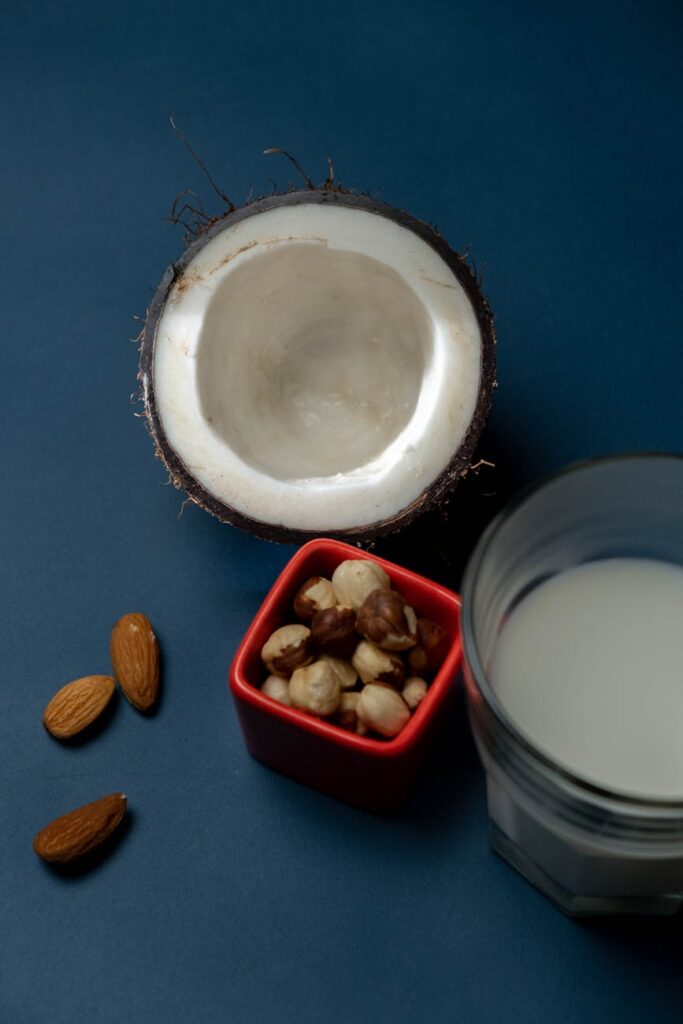
Coconut milk is a creamy liquid extracted from the grated flesh of mature coconuts (Cocos nucifera). It is distinct from coconut water, which is the clear liquid found inside fresh coconuts. Coconut milk varies in consistency, flavor, and fat content, depending on how it is processed. It is typically categorized into two types: thick coconut milk, which contains a higher fat content, and thin coconut milk, which is more diluted. The rich flavor and creamy texture make it a staple in many culinary traditions, particularly in Southeast Asian, Caribbean, and Indian cuisines.
History and Origins
Coconut milk has a long and storied history, dating back thousands of years. Indigenous cultures in tropical regions of Asia and the Pacific Islands have utilized coconuts for their nutritional value and versatility. Historical records indicate that coconut cultivation began in the Indian subcontinent and spread to the Malay Archipelago and beyond.
The introduction of coconut milk to various cuisines often coincided with trade routes, where it became integral to dishes due to its ability to enhance flavors and provide a luxurious mouthfeel. In Southeast Asia, for example, coconut milk is a central ingredient in curries, soups, and desserts, while in the Caribbean, it enriches stews and rice dishes.
Production and Processing
The production of coconut milk involves several steps, beginning with the harvesting of mature coconuts. These coconuts are then husked and cracked open to extract the white flesh. The flesh is grated and mixed with hot water to create a slurry, which is then strained to separate the liquid from the solid components. This process can be repeated to yield thick and thin coconut milk.
Commercially, coconut milk is often processed to ensure consistency and shelf stability. Many brands offer canned or packaged coconut milk that is homogenized and sometimes fortified with preservatives. It is also available in various forms, including coconut cream, which has a higher fat content, and coconut milk powder, which is dehydrated for convenience.
Quality and Grading
The quality of coconut milk can vary significantly based on factors such as the source of the coconuts, the extraction process, and the absence or presence of additives. High-quality coconut milk is typically characterized by a rich, creamy texture, a sweet, slightly nutty flavor, and a white, opaque appearance.
When evaluating coconut milk, consider the following grading factors:
- Fat Content: Quality coconut milk should contain a higher percentage of fat, typically between 20% to 25%. Lower-fat varieties may be more diluted and less flavorful.
- Additives: Opt for brands that do not contain artificial flavors, colors, or preservatives to ensure a more authentic taste.
- Source: Investigate the sourcing of the coconuts. Sustainably sourced coconuts from reputable farms can indicate higher quality.
- Packaging: Canned coconut milk is widely available and provides a rich flavor, while cartons may contain diluted varieties. Powdered coconut milk offers convenience but may require rehydration.
- Storage: Check the expiration date, and consider how long you plan to use the product. Canned coconut milk typically has a longer shelf life than carton varieties.
- Organic Options: Look for organic certifications if you prefer products free from pesticides and chemicals.
- Brand Reputation: Research brands known for high-quality coconut products. Customer reviews and recommendations can be helpful.
- Curries: In Southeast Asian cuisines, coconut milk is a fundamental ingredient in curries, adding depth and richness to the dish.
- Soups: Coconut milk serves as a base for creamy soups, such as Thai Tom Kha Gai, imparting a fragrant aroma.
- Desserts: It can be used in puddings, ice creams, and cakes, contributing a tropical flavor profile.
- Beverages: Coconut milk is also popular in smoothies, cocktails, and coffee drinks, providing a dairy-free alternative.
- Canned Coconut Milk: Unopened, it can last for several years in a cool, dark place. Once opened, it should be stored in the refrigerator and consumed within 3-5 days.
- Carton Coconut Milk: Typically has a shorter shelf life and should be refrigerated after opening, where it can last for about 7-10 days.
- Coconut Milk Powder: Should be stored in an airtight container in a cool, dry place. It can last for several months, but it is advisable to check for any signs of spoilage before use.
- Coconut Milk vs. Coconut Cream: Many people confuse coconut milk with coconut cream,
Buying Considerations
When purchasing coconut milk, whether in a can, carton, or powdered form, there are several factors to consider:
Uses and Applications
Coconut milk is incredibly versatile, finding applications in both savory and sweet dishes. Its creamy texture and unique flavor enhance a variety of culinary creations:
Coconut milk can also be used as a dairy substitute in various recipes, making it an appealing option for those following vegan or lactose-free diets.
Storage and Shelf Life
The storage and shelf life of coconut milk depend on its form and packaging. Here are some guidelines:
Proper storage is crucial for maintaining flavor and preventing spoilage.
Common Misconceptions
Coconut milk is often surrounded by misconceptions, which can lead to confusion regarding its use and benefits. Here are some clarifications: