
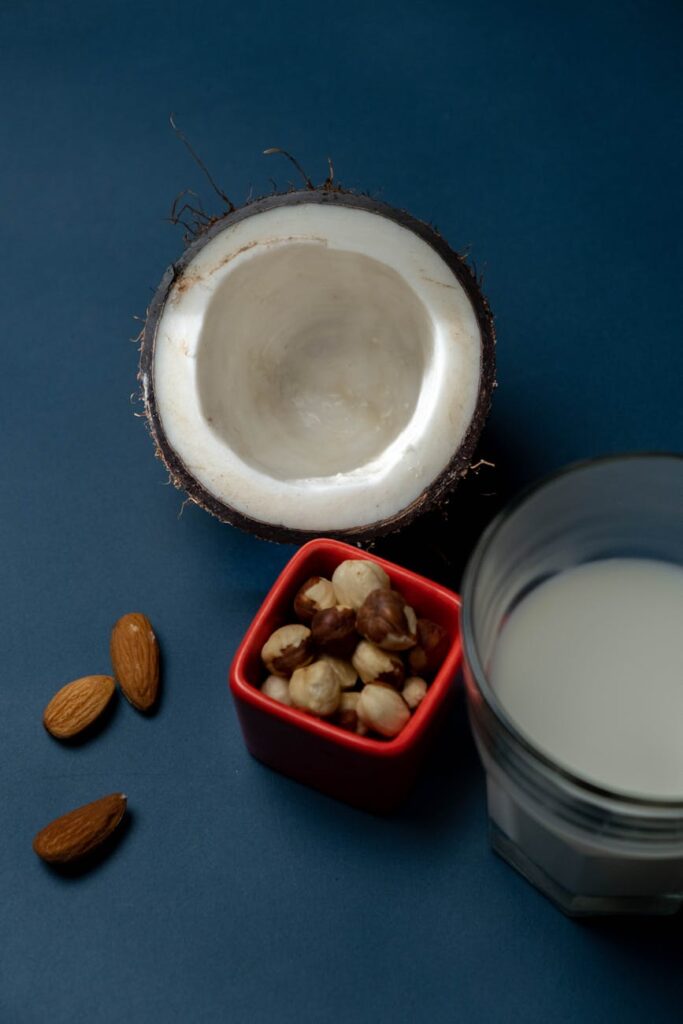
Coconut Milk Around the World
Introduction
Coconut milk, a creamy, white liquid derived from the grated pulp of mature coconuts, has become a staple ingredient in many cuisines worldwide. Its rich flavor and versatility make it a favorite for both sweet and savory dishes. From Southeast Asia to the Caribbean, coconut milk is celebrated not just for its culinary applications, but also for its cultural significance. This article explores the regional variations of coconut milk, its historical roots, production methods, and much more.
What Is Regions?
When discussing coconut milk in the context of “regions,” we refer to the diverse geographical areas where it is produced and utilized. Each region has its unique techniques, flavor profiles, and cultural associations with coconut milk. Understanding these regional differences enhances our appreciation of this ingredient and its culinary applications.
History and Origins
Coconuts are believed to have originated in the Indo-Malay region and the western Pacific islands. Historical evidence suggests that coconuts were cultivated as early as 5,000 years ago. They began to spread across Asia, Africa, and the Americas through trade routes and maritime exploration. The use of coconut milk can be traced back to ancient civilizations, where it served not only as a food source but also as a cultural and religious symbol.
In South Asia, particularly in India and Sri Lanka, coconut milk has been used in traditional dishes for centuries. In Southeast Asia, it features prominently in curries and desserts, while in the Caribbean, it is often incorporated into various stews and beverages. Each of these regions has developed its unique methods of extracting and using coconut milk, reflecting local tastes and customs.
Production and Processing
The production of coconut milk begins with the harvesting of mature coconuts, typically found in tropical climates. The coconuts are husked and cracked open to access the white meat, which is then grated or shredded. The grated coconut is mixed with warm water, allowing the fat and flavor to infuse into the liquid. This mixture is then strained through a cheesecloth or fine mesh filter, yielding coconut milk.
There are two main types of coconut milk: thick and thin. Thick coconut milk is obtained from the first pressing of the grated coconut, resulting in a creamy consistency ideal for curries and desserts. Thin coconut milk comes from the second pressing and is often used for soups and sauces.
In commercial production, the process may vary. Some manufacturers employ mechanical methods for extraction, while others may use enzymatic treatments to enhance yield. Additionally, many products on the market are fortified or blended with other ingredients, so it’s crucial to read labels carefully.
Quality and Grading
Quality and grading of coconut milk can vary significantly based on production methods and regional standards. High-quality coconut milk is characterized by its rich, creamy texture and a pleasant, natural coconut flavor. Factors influencing quality include the freshness of the coconuts, the extraction process, and the presence of additives.
In some regions, coconut milk is graded based on fat content, with premium brands often containing higher percentages of coconut fat. In contrast, lower-quality products may contain fillers or preservatives that dilute the flavor and texture. Consumers are encouraged to look for products labeled as “100% coconut milk” to ensure they are getting a pure product.
Buying Considerations
When purchasing coconut milk, there are several factors to consider:
1. Type: Decide whether you need thick or thin coconut milk based on your culinary application.
2. Packaging: Coconut milk is available in cans, cartons, and aseptic packaging. Canned coconut milk typically has a longer shelf life and retains more flavor, while boxed varieties may contain preservatives.
3. Ingredients: Check the label for additives such as stabilizers or emulsifiers. Opt for brands that feature minimal ingredients for the best flavor.
4. Brand Reputation: Research brands known for quality and ethical sourcing practices, particularly in regions where coconuts are grown sustainably.
5. Regional Variations: Explore different regional products for unique flavor profiles. For example, Thai coconut milk may differ from that produced in the Philippines in terms of taste and consistency.
Uses and Applications
Coconut milk is an incredibly versatile ingredient, used in a wide range of culinary applications across various cuisines. In Southeast Asian cooking, it is a fundamental component of curries, soups, and desserts. Dishes like Thai green curry and Malaysian rendang showcase its ability to enhance flavors and provide richness.
In the Caribbean, coconut milk is essential in dishes like rice and peas, as well as in traditional beverages such as piña coladas. In Indian cuisine, it is often used in dishes like korma and payasam, adding creaminess and depth of flavor.
Beyond savory applications, coconut milk is also popular in desserts. It is used to create puddings, ice creams, and cakes, often paired with tropical fruits to complement its flavor. The growing popularity of plant-based diets has led to increased interest in coconut milk as a dairy alternative, further broadening its use in smoothies, coffee drinks, and baking.
Storage and Shelf Life
Proper storage is crucial for maintaining the quality of coconut milk. Unopened cans or cartons can be stored in a cool, dry place, away from direct sunlight. Once opened, coconut milk should be refrigerated in an airtight container and consumed within 3 to 5 days for optimal freshness.
Canned coconut milk can also be frozen for longer storage. To do this, pour the milk into ice cube trays or freezer-safe containers, allowing for easy portioning in future recipes. It is important to note that the texture may change upon freezing, but it will still retain its flavor.
Common Misconceptions
Several misconceptions surround coconut milk that can lead to confusion among consumers:
1. Coconut Milk vs. Coconut Water: Many consumers confuse coconut milk with coconut water. Coconut water is the clear liquid found inside young coconuts