
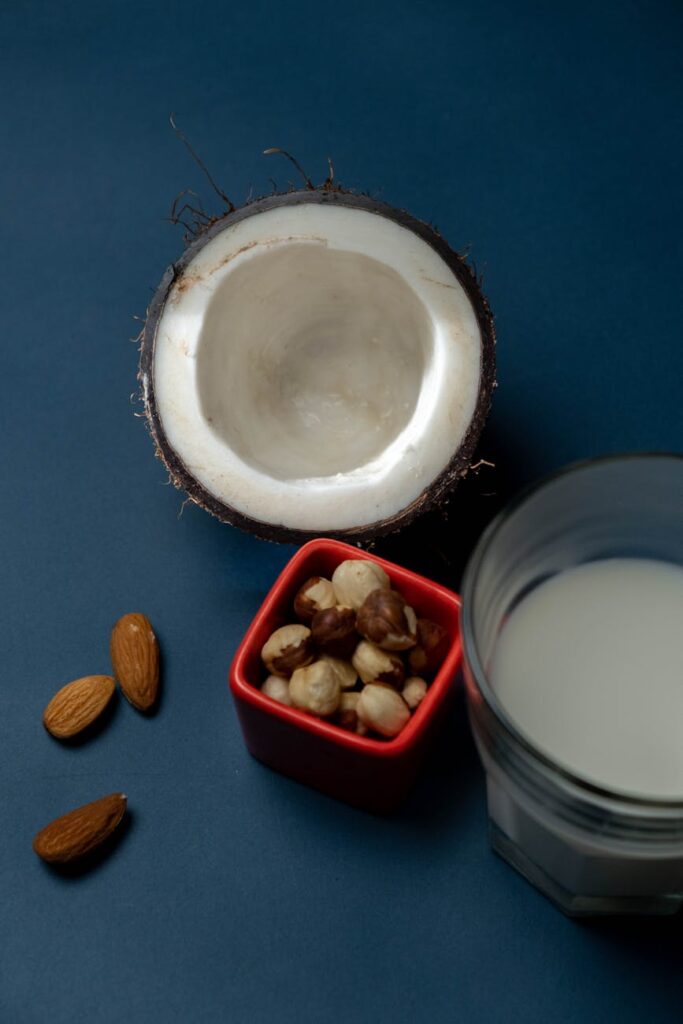
Coconut Milk Buying Guide Part 6
Introduction
Coconut milk is a versatile ingredient cherished in various culinary traditions around the world. With its rich, creamy texture and distinctive flavor, it serves as a base for soups, curries, desserts, and beverages. As the demand for coconut milk increases globally, understanding the nuances of buying this ingredient becomes essential for culinary professionals and home cooks alike. This guide delves into the art of purchasing coconut milk, equipping you with the knowledge necessary to choose the best product for your needs.
What Is Buying?
In the context of food ingredients, “buying” refers to the process of selecting and purchasing items based on certain criteria including quality, freshness, and suitability for intended use. For coconut milk, this encompasses not only the act of purchasing but also understanding the various types available in the market, their sourcing, and the factors that contribute to their quality.
History and Origins
Coconut milk has its roots deeply embedded in the tropical regions of Asia, particularly in countries like Thailand, Indonesia, and the Philippines. Traditionally, coconut milk was produced by grating the flesh of mature coconuts and mixing it with water to extract the creamy liquid. This method remains popular in many regions, as it allows for the production of fresh coconut milk. Over time, the use of coconut milk spread to various culinary practices globally, becoming a staple in both savory and sweet dishes.
As global awareness of coconut milk’s culinary versatility has grown, so too has its availability. Today, it is produced on a large scale, leading to variations in quality and processing methods that consumers should be aware of.
Production and Processing
The production of coconut milk can vary significantly depending on the region and the intended market. Generally, there are two main types of coconut milk available: thick and thin.
1. Thick Coconut Milk: This is produced by using a higher ratio of coconut meat to water. It is often used in rich curries and desserts, giving a luxurious mouthfeel.
2. Thin Coconut Milk: This version has a lower concentration of coconut meat and is often used as a base for soups or stews.
The processing of coconut milk also varies. Fresh coconut milk is made by grating the coconut meat and mixing it with hot water, then straining the mixture. Commercially available coconut milk may undergo additional processing, such as homogenization and pasteurization, to ensure stability and shelf life. Canned coconut milk often contains additives for preservation, which can affect flavor and quality.
Quality and Grading
When buying coconut milk, quality is paramount. Factors to consider include:
- Ingredient List: Ideally, coconut milk should contain only coconut and water. Be wary of added preservatives, thickeners, or sweeteners, which can alter the flavor and texture.
- Fat Content: The fat content can indicate the richness of the coconut milk, with higher fat percentages usually signifying a thicker consistency. Look for percentages between 17-24% for premium coconut milk.
- Packaging: Canned coconut milk is common, but it can also be found in cartons. Cans that are bulging or leaking may suggest spoilage. Cartons often include shelf-stable coconut milk but may contain additives.
- Color and Aroma: High-quality coconut milk should have a creamy white color and a fragrant, nutty aroma. A yellowish tint or off-putting smell may indicate spoilage or poor quality.
- Type of Coconut Milk: Determine whether you need thick or thin coconut milk based on your culinary application.
- Brand Reputation: Opt for brands known for their quality. Reading reviews and seeking recommendations can help you gauge the reliability of a brand.
- Sourcing: Look for sustainably sourced coconut milk. Some brands emphasize fair trade practices, ensuring that farmers are compensated fairly.
- Dietary Restrictions: If you have specific dietary needs, check the ingredient list for allergens or additives that may not align with your requirements.
- Local vs. Imported: While both local and imported coconut milk have their merits, consider the carbon footprint of your choices. Supporting local producers can sometimes result in fresher products.
- Savory Dishes: It serves as a base for soups, curries, and stews, providing a creamy texture and enhancing flavors.
- Beverages: Coconut milk can be used in smoothies, cocktails, and even coffee, offering a dairy-free alternative.
- Desserts: It is a popular ingredient in puddings, ice creams, and baked goods, imparting a tropical flavor.
- Marinades and Sauces: Coconut milk can be used to create rich marinades and sauces, adding depth and creaminess.
- Unopened Canned Coconut Milk: Can be stored in a cool, dry place for up to two years. Always check the expiration date.
- Opened Canned Coconut Milk: Once opened, coconut milk should be transferred to an airtight container and refrigerated. It typically lasts for about 4-7 days.
- Carton Coconut Milk: Unopened cartons can be stored at room temperature, while opened cartons should be refrigerated and consumed within 7-10 days.
- Freezing: Coconut milk can be frozen for longer storage. Pour it into ice cube trays or freezer-safe containers, and it can last up to three months. Thaw in the refrigerator before use.
- Coconut Milk vs. Coconut Water
Buying Considerations
When purchasing coconut milk, consider the following factors to ensure you select the best product:
Uses and Applications
Coconut milk is remarkably versatile and can be utilized in various culinary applications:
Storage and Shelf Life
Proper storage of coconut milk is essential for maintaining its quality:
Common Misconceptions
Several misconceptions surround coconut milk that can lead to confusion for consumers: