
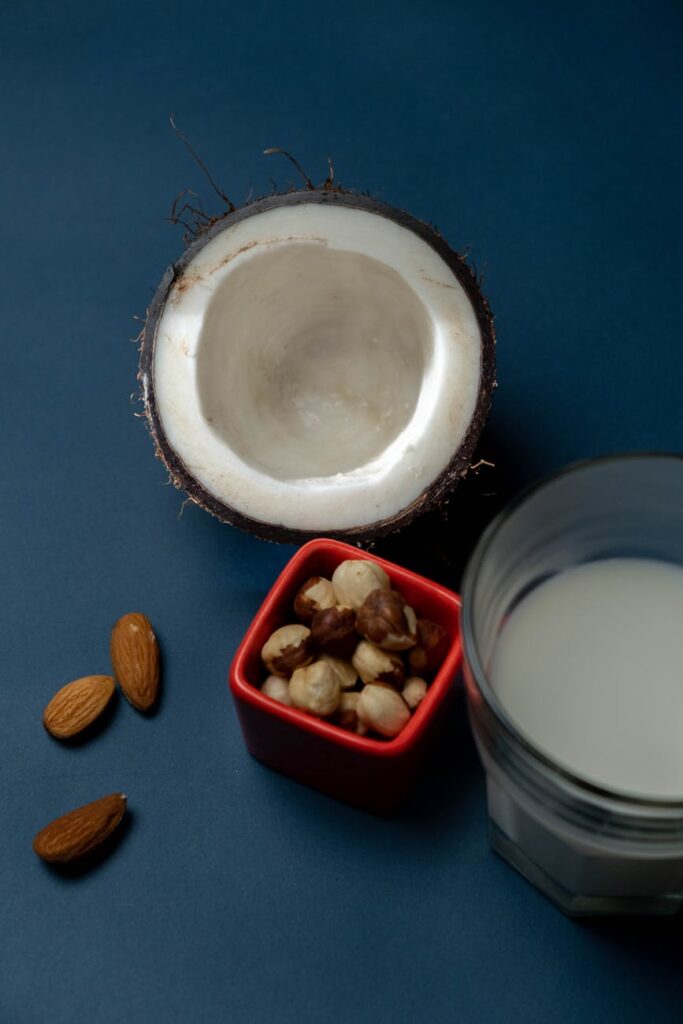
Coconut Milk Grading Explained
Introduction
Coconut milk, a staple ingredient in many tropical and Asian cuisines, has garnered global popularity for its rich flavor and versatility. Extracted from the grated meat of mature coconuts, it is a creamy liquid that adds depth to both sweet and savory dishes. However, as with any food ingredient, the quality of coconut milk can vary significantly. Understanding the grading system of coconut milk is crucial for consumers, chefs, and manufacturers alike, as it influences both the culinary experience and nutritional value.
What Is Buying?
In the context of food ingredients, “buying” refers to the process of selecting and purchasing products, especially considering quality, price, and suitability for specific culinary applications. When it comes to coconut milk, buying entails understanding the different grades available, which can affect the ingredient’s taste, texture, and overall quality. This knowledge is essential for making informed purchasing decisions, whether for home cooking or commercial use.
History and Origins
The history of coconut milk dates back thousands of years, originating in the tropical regions of Southeast Asia and the Pacific Islands. The coconut palm is often referred to as the “Tree of Life” due to its extensive uses, from food and drink to building materials and fuel. Coconut milk itself is believed to have been discovered by indigenous peoples who utilized the coconut’s meat and water for sustenance.
Over time, coconut milk found its way into various cuisines, becoming integral to dishes like Thai curries, Filipino desserts, and Caribbean stews. Its rich and creamy profile not only enhances flavor but also acts as a natural emulsifier, binding ingredients together. The growing global interest in plant-based diets has further propelled the use of coconut milk, making it a sought-after alternative to dairy products.
Production and Processing
The production of coconut milk typically involves several steps:
1. Harvesting: Ripe coconuts are harvested from coconut palms, usually between 10 to 12 months of age.
2. Shelling: The hard outer shell of the coconut is removed to access the inner fruit.
3. Grating: The white meat of the coconut is grated into small pieces, which increases the surface area and enhances extraction.
4. Extraction: The grated coconut is mixed with warm water and thoroughly blended. This mixture is then strained through a cheesecloth or fine mesh to separate the liquid coconut milk from the solid coconut pulp. The extraction process can be done in two phases: the first yields “first-press” or “thick” coconut milk, which is richer and creamier, while the second phase produces “second-press” or “thin” coconut milk, which is lighter.
5. Heat Treatment: The coconut milk is often heat-treated to extend shelf life and eliminate pathogens. This step is essential for commercial products but is less common in artisanal varieties.
6. Packaging: The final product is packaged in cans, cartons, or bottles for distribution. Some coconut milk products may also undergo additional processing, such as homogenization or emulsification, to improve texture and stability.
Quality and Grading
Coconut milk can be graded based on several factors, including its fat content, flavor, color, and consistency. Here’s a breakdown of the grading categories:
1. Fat Content
- Full-Fat Coconut Milk: Contains 20-25% fat, making it thick and creamy. Ideal for rich dishes and desserts.
- Light Coconut Milk: Contains less fat (5-15%) and is thinner in consistency, suitable for lighter recipes and health-conscious consumers.
- Premium coconut milk tends to have a fresh, natural coconut aroma and taste, free from artificial additives or preservatives. Lower-quality varieties may have a bland or off-putting taste due to oxidation or poor processing methods.
- High-quality coconut milk is typically creamy white and free from separation. Look for products with a homogenous texture that can easily blend into recipes without clumping.
- Some coconut milk products may contain stabilizers or emulsifiers, which can affect texture and flavor. Pure coconut milk contains no additives, while lower-grade varieties might include preservatives to extend shelf life.
- Organic and Fair Trade certifications can enhance the quality perception of coconut milk. These labels often indicate better farming practices and sustainability.
- Intended Use: Determine whether you need full-fat or light coconut milk based on the recipe or dish you are preparing. Full-fat is ideal for curries, while light can be used in soups or smoothies.
- Packaging: Choose between canned, carton, or fresh coconut milk. Canned varieties often have a longer shelf life but may contain additives. Carton versions usually contain stabilizers and preservatives, while fresh coconut milk is often the most flavorful but has a shorter shelf life.
- Ingredient List: Check for purity. Ideally, coconut milk should contain only coconut and water. Avoid products with long ingredient lists filled with additives.
- Sourcing: Research brands that prioritize ethical sourcing, ensuring that your coconut milk supports sustainable farming practices.
- Price: Quality often correlates with price. While it can be tempting to opt for cheaper options, investing in higher-quality coconut milk can significantly enhance your culinary experience.
2. Flavor and Aroma
3. Color and Texture
4. Additives
5. Certification
Buying Considerations
When purchasing coconut milk, several factors should be taken into account:
Uses and Applications
Coconut milk is a versatile ingredient with a myriad of applications in both savory and sweet dishes:
1. Savory Dishes: It is commonly used in curries, soups, and sauces, providing a creamy texture and rich flavor. Popular in Thai, Indian, and Caribbean cuisines, it can elevate the taste of vegetable, meat, and seafood dishes.