
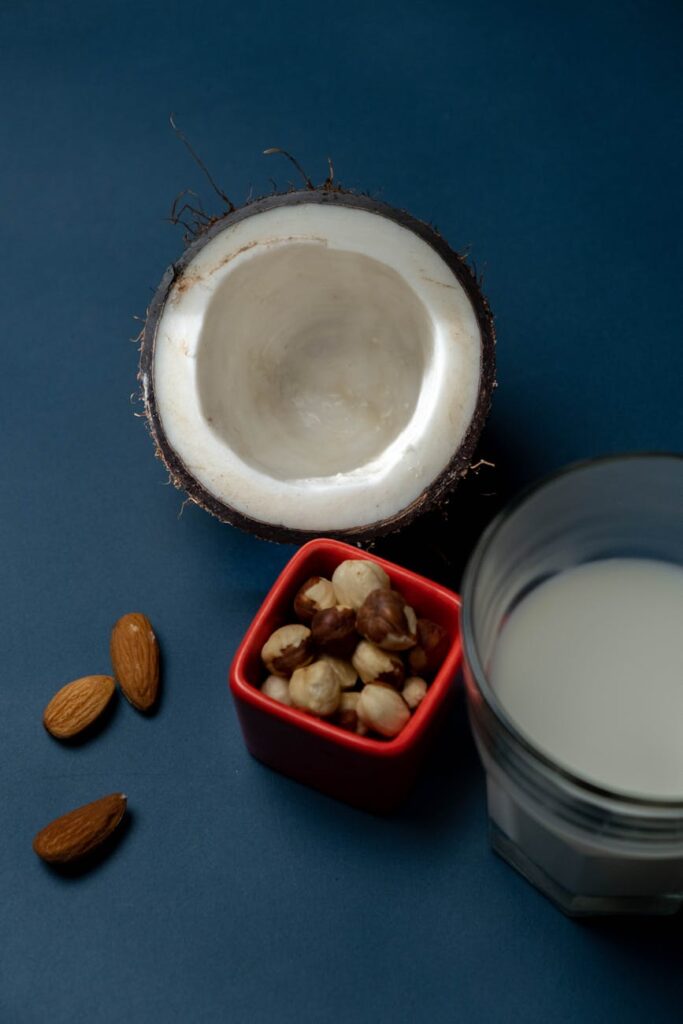
Coconut Milk in Traditional Cuisine
Introduction
Coconut milk is a versatile ingredient that has secured its place in kitchens around the world, particularly in tropical and subtropical regions. Extracted from the flesh of mature coconuts, this creamy liquid has a rich, slightly sweet flavor that enhances a wide array of dishes. In traditional cuisines, coconut milk is not merely a cooking ingredient; it embodies cultural heritage and culinary practices passed down through generations. This article explores the uses of coconut milk in traditional cuisine, examining its history, production methods, applications, and more.
What Is Uses?
The term “uses” in the context of coconut milk refers to the various ways this ingredient is employed in cooking and food preparation. Coconut milk serves multiple functions ranging from a base for soups and curries to a thickening agent in desserts and beverages. Its unique properties allow it to blend seamlessly into both savory and sweet dishes, making it a staple in many culinary traditions.
History and Origins
Coconut milk has a rich history that dates back thousands of years. It is believed to have originated in Southeast Asia, particularly in the coastal regions of India and Sri Lanka, where coconuts thrive in abundance. Over time, coconut milk spread to other parts of Asia, the Pacific Islands, and the Caribbean, adapting to local culinary practices.
In traditional Indian cuisine, coconut milk is often associated with coastal states such as Kerala and Tamil Nadu, where it is used in curries, rice dishes, and desserts. In Southeast Asia, particularly in Thailand and Indonesia, it is a key ingredient in dishes like laksa and rendang. The Pacific Islands also utilize coconut milk extensively, where it is incorporated into traditional feasts and ceremonial dishes.
Production and Processing
The production of coconut milk involves several steps, from harvesting mature coconuts to extracting the milk. Mature coconuts, which have a hard shell and brown skin, are typically harvested for coconut milk. The flesh is grated and mixed with water to extract the milk, which can be done either by hand or using mechanical processes.
There are two main types of coconut milk: thick coconut milk and thin coconut milk. Thick coconut milk is made from the first pressing of the grated coconut flesh, often used in richer dishes. Thin coconut milk, produced from the second pressing, is lighter and commonly used in soups and curries.
The processing of coconut milk is crucial to its flavor and texture. Fresh coconut milk is preferred for its rich taste and creamy consistency. However, many commercial brands offer canned or boxed coconut milk, which undergoes pasteurization to extend shelf life. When purchasing coconut milk, it is essential to check the ingredient list, as some brands may add preservatives or thickeners.
Quality and Grading
The quality of coconut milk can vary significantly based on the production process and the source of the coconuts. High-quality coconut milk should have a rich, creamy texture and a pleasant aroma. It should be free from additives and should not separate excessively. When evaluating coconut milk, consider the following grading factors:
1. Color: Quality coconut milk should have a bright white to off-white color, indicating freshness.
2. Consistency: A creamy texture is essential, with minimal separation between the fat and liquid.
3. Taste: Fresh coconut milk should have a mild sweetness and a rich coconut flavor.
Consumers are encouraged to opt for brands that prioritize quality sourcing and minimal processing, as these factors greatly influence the final product.
Buying Considerations
When purchasing coconut milk, there are several factors to consider to ensure you choose the best product for your culinary needs:
1. Form: Coconut milk is available in various forms, including canned, boxed, and powdered. Canned coconut milk tends to have a richer flavor, while boxed options are often more convenient for everyday use.
2. Ingredients: Check for additives such as stabilizers or preservatives. The best coconut milk contains only coconut and water.
3. Fat Content: Depending on the dish, you may prefer full-fat coconut milk for creamier applications or light coconut milk for lighter dishes.
4. Brand Reputation: Choosing reputable brands that source coconuts responsibly can ensure better quality and taste.
Uses and Applications
Coconut milk is a culinary chameleon, finding its way into countless dishes across various cuisines. Here are some notable uses and applications of coconut milk in traditional cooking:
Savory Dishes
1. Curries: In Indian, Thai, and Caribbean cuisines, coconut milk is a foundational ingredient in curries. It adds richness and balances the heat from spices.
2. Soups: Coconut milk is often used in soups like the Thai tom kha gai (coconut chicken soup) and various other broths, providing a creamy texture and a hint of sweetness.
3. Rice Dishes: Coconut milk can be used to cook rice, imparting flavor and richness. Dishes like coconut rice and nasi lemak showcase this application.
4. Sauces: Coconut milk can be used to create rich sauces that accompany seafood, chicken, or vegetarian dishes, enhancing the overall flavor profile.
Sweet Dishes
1. Desserts: In many Southeast Asian cultures, coconut milk is a key ingredient in traditional desserts. It is used in puddings, cakes, and sweet soups, often paired with ingredients like mango, pandan, and glutinous rice.
2. Beverages: Coconut milk is a popular base for drinks, including smoothies, cocktails, and traditional beverages like Thai iced tea.
Fermented Products
In some cultures, coconut milk is fermented to produce yogurt-like products or beverages such as “toddy,” a traditional alcoholic drink. Fermentation adds complexity to the flavor and may enhance the nutritional profile.
Storage and Shelf Life
Proper storage is essential to maintain the quality and flavor of