
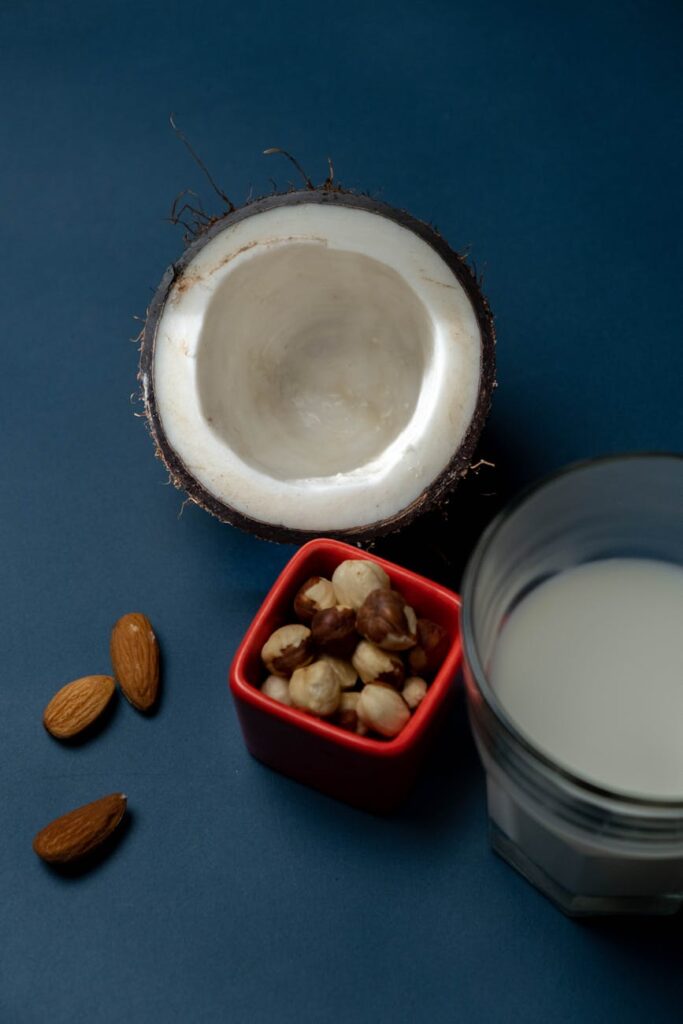
Coconut Milk: Origins and Evolution
Introduction
Coconut milk is a versatile ingredient cherished across various culinary traditions around the globe. Extracted from the flesh of mature coconuts, it is renowned for its rich, creamy texture and subtly sweet flavor. While it occupies a prominent place in Southeast Asian cuisine, its uses have spread far beyond its origins, finding a welcome home in numerous dishes worldwide. This article delves into the origins, production, and evolution of coconut milk, providing a comprehensive understanding of this beloved ingredient.
What Is Coconut Milk?
Coconut milk is a liquid derived from the grated meat of mature coconuts. It is distinct from coconut water, which is the clear liquid found inside young coconuts. Coconut milk can be classified into two main types: thick coconut milk and thin coconut milk. Thick coconut milk is produced by first extracting the cream from the grated coconut flesh, while thin coconut milk is created by diluting the first extraction with water. The resulting liquid can vary in viscosity and fat content, making it suitable for a wide range of culinary applications.
History and Origins
The use of coconut milk has deep historical roots, particularly in tropical regions where coconuts thrive. Archaeological evidence suggests that coconuts have been cultivated for thousands of years, with some estimates dating back to around 3,000 BCE. The exact origin of the coconut is debated, but it is believed to have originated in the Indo-Pacific region, specifically around Southeast Asia.
The spread of coconuts and coconut milk can be attributed to ancient maritime trade routes. As sailors and traders navigated the seas, they carried coconuts to various islands, which in turn facilitated the cultivation of the coconut palm in new regions. This movement contributed significantly to the integration of coconut milk into local cuisines, particularly in countries like Thailand, Indonesia, India, and the Philippines.
In traditional cultures, coconut milk has been used not only as a culinary ingredient but also as a vital part of rituals and ceremonies. Its presence in religious practices is evident in some cultures where it is offered to deities or used in cleansing rites. Over time, coconut milk has evolved from a local staple to a globally recognized ingredient, thanks in part to globalization and the fusion of culinary practices.
Production and Processing
The production of coconut milk involves several steps that ensure the extraction of its rich flavor and creamy texture. The process begins with the selection of mature coconuts, which are typically harvested when they are at least 12 months old. The coconuts are then husked and cracked open to access the white flesh, known as copra.
Extraction Process
1. Grating: The coconut flesh is grated into small pieces. This increases the surface area and facilitates the extraction of the milk.
2. Mixing: The grated coconut is combined with warm water. The ratio of coconut to water can vary depending on whether thick or thin coconut milk is desired.
3. Squeezing: The mixture is then strained through a cheesecloth or a fine mesh sieve to separate the liquid from the solid coconut residue. The resulting liquid is thick coconut milk. For thin coconut milk, the remaining solids can be mixed with more water and strained again.
Commercial Production
In commercial settings, coconut milk is often processed using more advanced methods, such as cold-press extraction or mechanical expulsion, which preserve the flavor and nutritional content while increasing efficiency. The milk is then pasteurized to extend its shelf life and may be packaged in cans, cartons, or bottles for distribution.
Quality and Grading
The quality of coconut milk can vary significantly based on several factors, including the source of the coconuts, the extraction method, and the processing techniques used. Generally, high-quality coconut milk will have a rich, creamy texture and a distinct coconut flavor without additives or preservatives.
Grading Criteria
1. Fat Content: Premium coconut milk should contain a higher fat content, generally between 20% to 25%. This richness contributes to its flavor and mouthfeel.
2. Color and Aroma: High-quality coconut milk should be white to off-white and possess a fresh coconut aroma.
3. Additives: Quality coconut milk often has no added preservatives, thickeners, or artificial flavors.
Certifications
Some brands may carry certifications, such as organic or fair trade, which can guide consumers toward products that align with their values.
Buying Considerations
When purchasing coconut milk, it’s essential to consider several factors to ensure that you are selecting a high-quality product.
1. Packaging: Choose coconut milk packed in BPA-free cans or cartons, as exposure to harmful chemicals can affect the safety and quality of the product.
2. Ingredients: Always check the ingredient list. The best coconut milk will contain only coconut and water, with no added preservatives or artificial flavors.
3. Brand Reputation: Research brands that are known for their quality and ethical sourcing practices. Consumer reviews and certifications can provide valuable insights.
4. Usage: Consider whether you need thick or thin coconut milk based on your intended application. Thick coconut milk is ideal for curries and desserts, while thin coconut milk is suitable for soups and sauces.
Uses and Applications
Coconut milk is incredibly versatile and can be incorporated into a wide variety of dishes. Its creamy consistency and unique flavor profile make it an excellent alternative to dairy in many recipes.
Culinary Uses
1. Curries and Soups: Coconut milk is a staple in many Southeast Asian curries, adding richness and depth of flavor. It is also commonly used in soups, such as Tom Kha Gai, a Thai coconut soup.
2. Beverages: It can be used in smoothies, cocktails, and non-dairy milk alternatives. Coconut milk adds a tropical twist to drinks like piña col