
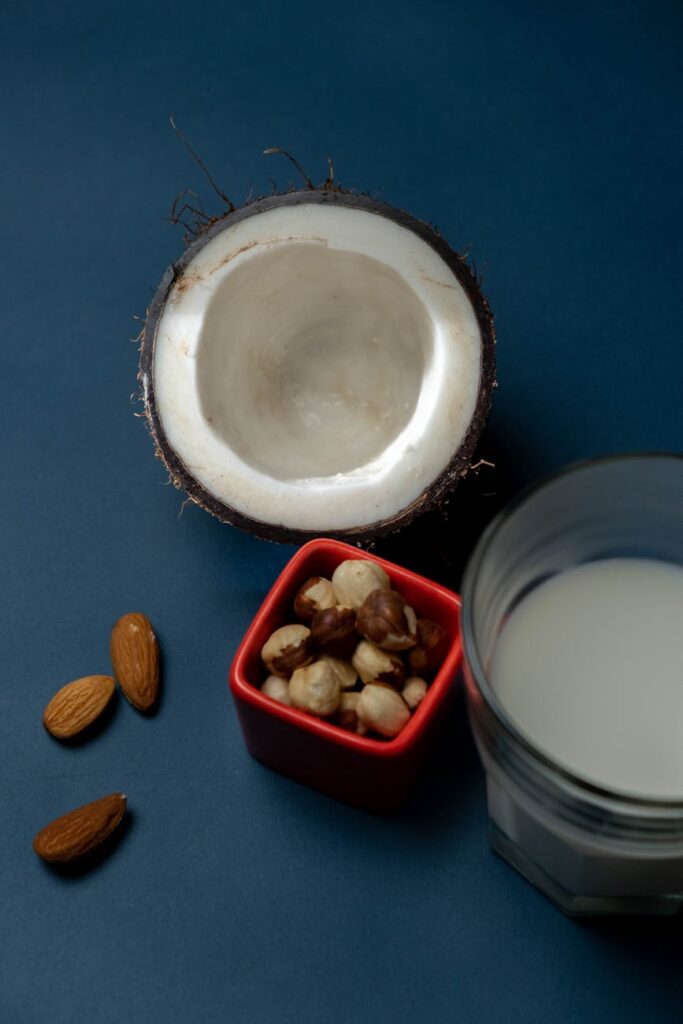
Coconut Milk Regions Guide Part 6
Introduction
Coconut milk is a beloved ingredient in a multitude of culinary traditions, revered for its rich flavor, creamy texture, and versatility. As we delve into the regional nuances of coconut milk, it becomes apparent that the source of the coconut, the methods of extraction, and local culinary practices significantly influence the final product. This guide aims to explore the various regions renowned for coconut milk production, shedding light on their unique characteristics, historical contexts, and culinary applications.
What Is Regions?
When referring to “regions” in the context of coconut milk, we highlight the geographical areas where coconuts thrive and where coconut milk is produced. Different regions yield coconuts that vary in quality, flavor, and nutritional content. These variations are influenced by factors such as soil type, climate, traditional harvesting techniques, and local culinary practices. Understanding these regional differences not only enhances culinary knowledge but also informs consumers about the diverse offerings available in the market.
History and Origins
The history of coconut and its derivatives, including coconut milk, dates back thousands of years. Native to Southeast Asia and the Pacific Islands, the coconut palm (Cocos nucifera) has spread across tropical regions due to its adaptability and the various uses of its fruit. Archaeological evidence suggests that coconuts were domesticated around 3,000 years ago, with early settlers in the islands of the Indian and Pacific Oceans utilizing coconuts for food, drink, shelter, and tools.
As trade routes developed, coconut products began to spread to distant lands. European explorers in the 16th and 17th centuries encountered coconuts during their voyages to the tropics, introducing coconut milk to new cultures. Over time, distinct regional methods of preparing and utilizing coconut milk emerged, leading to the rich culinary tapestry we see today.
Production and Processing
The production of coconut milk varies by region, influenced by local practices and available technology. Generally, coconut milk is produced by grating the flesh of mature coconuts and mixing it with water. The mixture is then strained to separate the liquid from the solids. There are two primary types of coconut milk: thick and thin. Thick coconut milk is derived from the first extraction and has a higher fat content, while thin coconut milk results from the second extraction and has a lighter consistency.
In regions such as Thailand and the Philippines, traditional methods are often used, where fresh coconuts are processed by hand. In contrast, larger-scale producers in countries like Indonesia and India may employ mechanical extraction methods to increase efficiency and output. Regardless of the method, the emphasis on freshness and quality remains paramount, as the flavor and nutritional profile of coconut milk can significantly differ based on the processing techniques used.
Quality and Grading
Coconut milk quality is largely determined by its processing method, freshness, and the type of coconuts used. Fresh coconut milk is generally regarded as superior, offering a rich flavor and creamy texture. In contrast, canned or shelf-stable coconut milk may contain additives or preservatives that can affect its taste and quality.
When assessing coconut milk, consumers should look for indicators such as:
- Coconut Content: Higher percentages of coconut content typically indicate better quality.
- Texture: A rich, creamy texture is desirable, while overly watery coconut milk may indicate dilution.
- Color: Fresh coconut milk should be off-white to slightly beige, while discoloration can suggest spoilage.
In commercial markets, coconut milk is often graded based on these factors, with premium products commanding higher prices.
Buying Considerations
When purchasing coconut milk, several factors should be taken into account to ensure you select the best product for your needs:
1. Type of Coconut Milk: Decide between canned, carton, or fresh options based on your intended use. Canned coconut milk is often richer, while carton varieties may be lighter and suitable for drinking.
2. Ingredients: Opt for products with minimal additives, ideally containing only coconut and water. Some brands may include stabilizers or emulsifiers, which can affect the purity of the flavor.
3. Brand Reputation: Research brands known for their quality and ethical sourcing practices. Regions with a strong coconut industry often have local brands that prioritize sustainability.
4. Storage Requirements: Consider whether the product needs refrigeration or can be stored at room temperature. This impacts convenience and shelf life.
5. Regional Sourcing: If possible, choose coconut milk from specific regions known for their quality, such as Thailand or Sri Lanka, where traditional processing methods enhance flavor.
Uses and Applications
Coconut milk is incredibly versatile and can be utilized in a wide range of culinary applications. In Southeast Asian cuisines, it is often used in curries, soups, and desserts. Its creamy texture makes it an ideal base for rich sauces and gravies. In the Caribbean, coconut milk is commonly found in rice dishes and stews, imparting a sweet, nutty flavor.
Beyond traditional cooking, coconut milk has gained popularity in vegan and plant-based diets, serving as a dairy alternative in smoothies, sauces, and even ice creams. Its ability to thicken and enrich dishes makes it a favored ingredient in both savory and sweet recipes.
Storage and Shelf Life
The storage of coconut milk depends on its form. Fresh coconut milk should be used within a few days if stored in the refrigerator, while canned coconut milk can last for several months if unopened. Once opened, it should be refrigerated and consumed within a week.
Shelf-stable coconut milk, often found in cartons, has a longer shelf life, typically lasting for up to a year before opening. However, once opened, it should also be refrigerated and used within a week. It is essential to check the expiration date and to store coconut milk in a cool, dry place to maintain its quality.
Common Misconceptions
Despite its popularity, several misconceptions about coconut milk persist:
1. Coconut Milk