
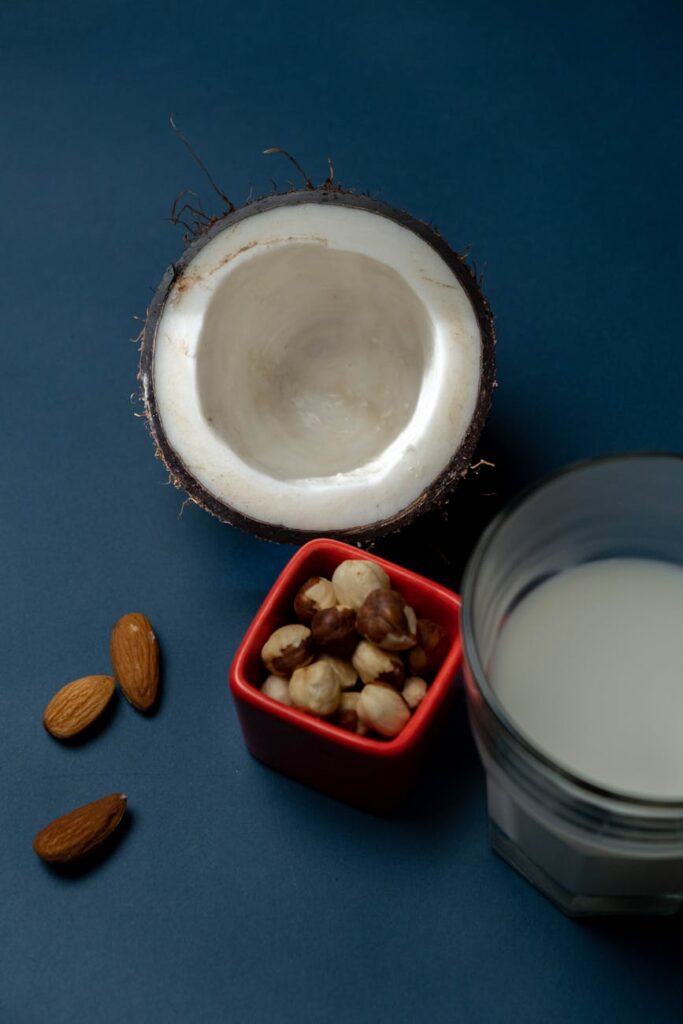
Coconut Milk Regions Guide Part 7
Introduction
Coconut milk, a versatile and rich ingredient, is celebrated for its creamy texture and distinctive flavor profile. This tropical delight is a staple in many culinary traditions across the globe, especially in Southeast Asia, the Caribbean, and parts of South America. Understanding the regions where coconut milk is produced reveals not only the cultural significance of this ingredient but also the various production methods that influence its quality and taste. In this guide, we will explore the regions associated with coconut milk, delving into their history, production processes, and unique characteristics.
What Is Regions?
In the context of food ingredients, “regions” refers to the geographic areas where specific ingredients are cultivated, processed, and consumed. Each region contributes unique environmental factors, cultural practices, and culinary traditions that shape the characteristics of the ingredient. For coconut milk, the regions of origin play a crucial role in determining its flavor, texture, and quality. Understanding these regional nuances can enhance culinary applications and appreciation for this beloved ingredient.
History and Origins
Coconut milk has a rich history intertwined with the cultures of tropical regions. The coconut palm, believed to have originated in the Indo-Malay region, has been cultivated for thousands of years. Ancient texts from India and other nearby civilizations document the use of coconut and its by-products, including coconut milk.
As trade routes expanded, coconut milk spread to various parts of the world. It became a vital ingredient in South Asian, Southeast Asian, and Caribbean cuisines, where its creamy texture complemented local dishes. The incorporation of coconut milk into various culinary traditions has not only enriched local flavors but has also led to its global popularity in contemporary cooking.
Production and Processing
The production of coconut milk primarily occurs in tropical climates, with significant contributions from countries such as Thailand, the Philippines, Indonesia, and India. The process begins with the harvesting of mature coconuts, typically at around 11 to 12 months of age when the meat is thickest.
Extraction Methods
There are two primary methods for extracting coconut milk:
1. Cold Pressing: This method involves grating the coconut meat and mixing it with water. The mixture is then pressed to extract the milk. Cold pressing retains the natural flavors and nutrients, resulting in a rich and aromatic product.
2. Hot Extraction: In this method, the grated coconut is boiled with water, allowing the heat to extract the milk. This method can produce a more concentrated milk but may also alter the flavor profile.
The extracted coconut milk is then filtered to remove any remaining solids, resulting in a smooth liquid. Depending on the intended use, coconut milk can be further processed into different consistencies, from thin milk to thick cream.
Quality and Grading
The quality of coconut milk can vary significantly based on the extraction method, coconut variety, and processing techniques. High-quality coconut milk is characterized by its creamy texture, rich flavor, and a pleasant aroma.
Grading Standards
Coconut milk is typically categorized into several grades:
- Premium: This grade features a high fat content (around 20-25%) and is extracted from the first pressing of fresh coconut meat. It is ideal for culinary applications requiring a rich flavor.
- Regular: This grade has a lower fat content (around 15-20%) and may be extracted from subsequent pressings. It is suitable for everyday cooking.
- Lite: This version contains a reduced fat percentage (around 5-10%) and is often used for health-conscious recipes.
- Curries: In many Southeast Asian cuisines, coconut milk is an essential component of curries, providing a rich and creamy base that balances spices.
- Soups: Coconut milk adds a velvety texture to soups and stews, particularly in dishes like Thai Tom Kha Gai.
- Beverages: From smoothies to cocktails, coconut milk can enhance drinks with its tropical flavor. It’s often used in traditional beverages like Piña Colada.
- Desserts: Coconut milk is a key ingredient in various desserts, such as puddings, ice creams, and rice cakes, lending a creamy mouthfeel and natural sweetness.
- Vegan and Dairy Alternatives: As a plant-based option, coconut milk serves as an excellent substitute for dairy in many recipes, appealing to vegans and those with lactose intolerance.
When purchasing coconut milk, consumers should look for products made from fresh coconuts and free from preservatives or artificial additives to ensure the best quality.
Buying Considerations
When selecting coconut milk, several factors should be taken into account:
1. Origin: Consider the region of production, as different areas may offer varying flavor profiles and quality standards.
2. Type of Coconut Milk: Determine whether you need full-fat, reduced-fat, or unsweetened coconut milk based on your culinary needs.
3. Packaging: Coconut milk is available in cans, cartons, or as a powdered product. Canned coconut milk is often recommended for its freshness and shelf life, while carton versions may contain additives to enhance stability.
4. Ingredients: Always check the label for additives or preservatives that may affect flavor or quality. Pure coconut milk should ideally contain only coconut and water.
5. Sustainability: Look for brands that source coconuts sustainably, as the coconut industry can impact local ecosystems and communities.
Uses and Applications
Coconut milk is a versatile ingredient used in a myriad of culinary applications. Its creamy texture and subtle sweetness make it suitable for both savory and sweet dishes. Here are some common uses:
Storage and Shelf Life
Proper storage is crucial for maintaining the quality of coconut milk.
Canned Coconut Milk
Once opened, canned coconut milk should be stored in an airtight container in the refrigerator and consumed within 4 to 7 days. Unopened cans can last for several years when