
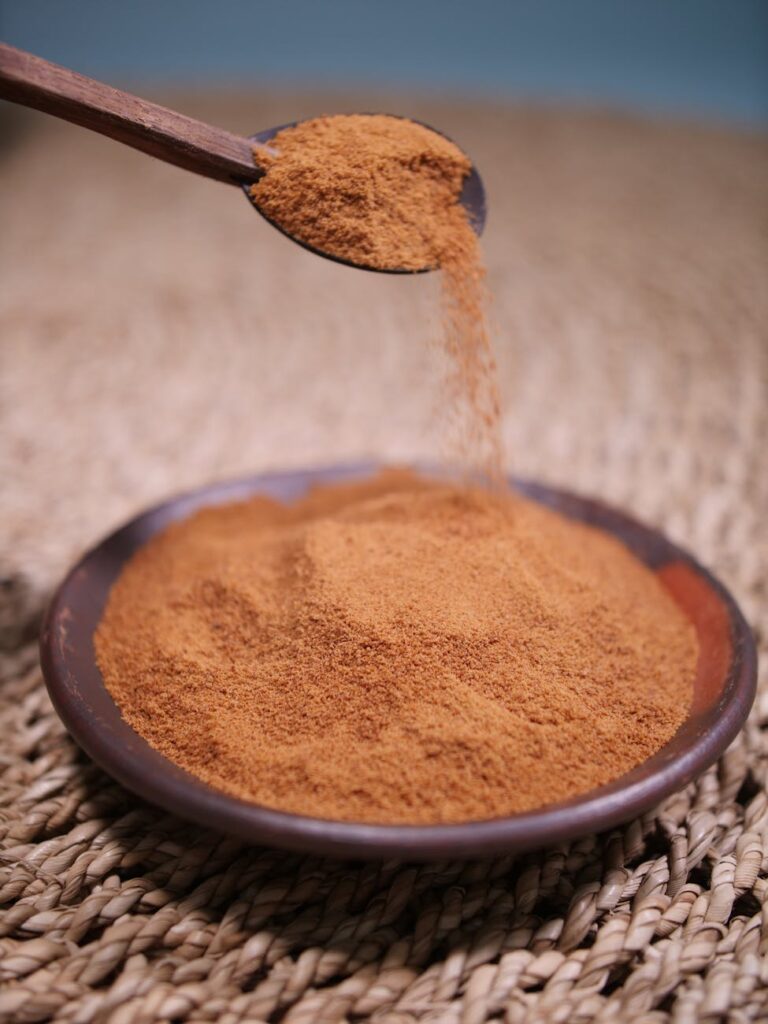
Coconut Sugar Grading Explained
Introduction
Coconut sugar, derived from the sap of coconut palm trees, has gained prominence as a natural sweetener due to its perceived health benefits and unique flavor profile. As consumers become more discerning about their food choices, understanding how coconut sugar is graded is essential for both culinary professionals and home cooks alike. This article delves into the intricacies of coconut sugar grading, exploring its history, production, quality measures, buying considerations, and more.
What Is Buying?
In the context of food ingredients, “buying” refers to the process of acquiring products, particularly with an emphasis on quality, sourcing, and suitability for specific applications. When it comes to coconut sugar, buying involves evaluating various grades, understanding production methods, and ensuring that the product meets culinary and nutritional standards. The right choice can enhance culinary outcomes and support responsible sourcing practices.
History and Origins
Coconut sugar has a long-standing history, particularly in Southeast Asia, where it has been used for centuries as a traditional sweetener. The process of harvesting sap from coconut palms and converting it into sugar is an ancient practice, often rooted in local cultures. The indigenous people of countries like Indonesia, the Philippines, and India have cultivated coconut palms and utilized their sap for sweetening foods and beverages.
Coconut sugar gained international attention in the early 21st century as a healthier alternative to refined sugars. Its low glycemic index and mineral content positioned it favorably among health-conscious consumers, leading to increased demand and a proliferation of coconut sugar products in global markets.
Production and Processing
The production of coconut sugar involves several steps, starting with the collection of sap from the flower buds of coconut palms. This sap, known as “toddy,” is harvested early in the morning and is rich in natural sugars. The collected sap is then boiled to evaporate the water content, resulting in a thick syrup. As the syrup continues to cook and thicken, it eventually crystallizes, forming the granules that we recognize as coconut sugar.
The processing of coconut sugar can vary by region, with some producers employing traditional methods, while others may use more modern techniques. The quality of coconut sugar can be influenced by factors such as the type of coconut palm, the harvesting methods, and the processing techniques used.
Quality and Grading
Coconut sugar is generally graded based on its color, texture, flavor, and purity. The grading system is important for consumers as it helps to distinguish between various types of coconut sugar available in the market. Below are some common grading criteria:
Color
Coconut sugar typically ranges from light tan to dark brown. Lighter sugars usually indicate a less processed product, while darker sugars often possess a richer flavor profile due to the caramelization of sugars during processing.
Texture
The texture of coconut sugar can vary from fine to coarse granules. Finer grades are often preferred for baking and cooking, as they dissolve more easily, while coarser grades may be suitable for certain culinary applications where a more pronounced texture is desired.
Flavor
The flavor of coconut sugar is often described as having a subtle caramel-like taste with hints of butterscotch. Higher-grade coconut sugars tend to have a more complex flavor profile, making them ideal for gourmet applications.
Purity
Purity refers to the absence of additives or contaminants in the sugar. High-quality coconut sugar should contain no artificial colors, flavors, or preservatives. Organic certification may also be a factor in determining purity and quality.
Grades of Coconut Sugar
While grading systems may vary by region, the following classifications are commonly used:
1. Grade A: This is the highest quality coconut sugar, characterized by a light color, fine texture, and complex flavor. It is often used in high-end culinary applications.
2. Grade B: This grade has a slightly darker color and a coarser texture than Grade A. It still maintains a good flavor profile and is suitable for most cooking and baking needs.
3. Grade C: This lower grade is darker and has a more pronounced flavor. While it may not be ideal for gourmet applications, it can be used in everyday cooking and baking.
Buying Considerations
When purchasing coconut sugar, several factors should be taken into account to ensure the best quality and value:
Certification
Look for certifications such as organic or fair trade, which can indicate responsible sourcing and production practices.
Packaging
Choose products that are well-packaged to prevent moisture absorption and contamination. Airtight containers are ideal.
Source
Research the origin of the coconut sugar. Regions known for high-quality production, like Indonesia and the Philippines, often yield superior products.
Price
While price can be an indicator of quality, it is essential to balance cost with other factors such as grading, sourcing, and certification. Higher-priced coconut sugar may offer better flavor and purity.
Storage
Consider how you plan to store coconut sugar. Products that require refrigeration or have shorter shelf lives may not be ideal for long-term use.
Uses and Applications
Coconut sugar is versatile and can be used in a variety of culinary applications, including:
- Baking: Its caramel-like flavor enhances cookies, cakes, and muffins.
- Cooking: Ideal for savory dishes, it can be used to balance flavors in sauces and marinades.
- Beverages: Coconut sugar can sweeten smoothies, coffee, and teas effectively.
- Confectionery: Used in sweets and desserts, it adds a unique flavor profile.
Storage and Shelf Life
Coconut sugar has a relatively long shelf life when stored properly. To maintain its quality, it should be kept in a cool, dry place in an airtight container. This prevents clumping and moisture absorption. When stored correctly, coconut sugar can last for up to two years without losing its flavor or quality.