
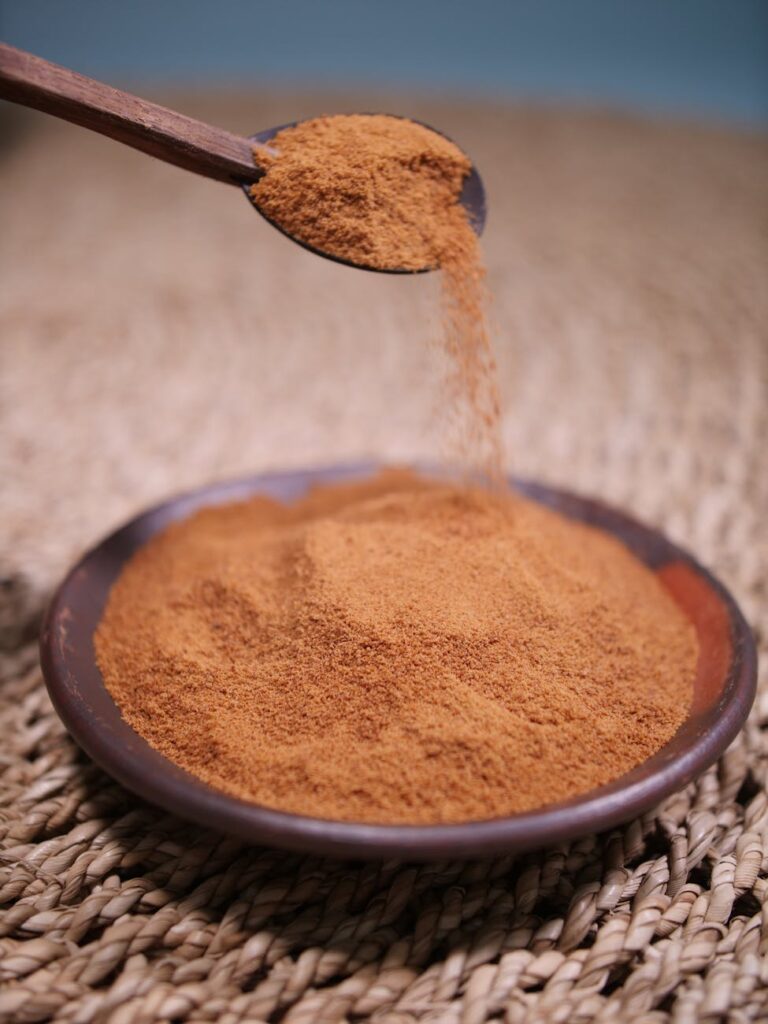
Coconut Sugar Growing Guide Part 7
Introduction
Coconut sugar, a natural sweetener derived from the sap of coconut palms, has gained significant popularity among consumers for its perceived health benefits and unique flavor profile. It stands out not just for its culinary applications but also for its sustainability when compared to conventional sugar sources. This guide delves into the intricacies of growing coconut sugar, covering everything from its historical roots to practical advice for cultivation and processing.
What Is Growing?
Growing, in the context of coconut sugar, refers to the agricultural practices involved in nurturing coconut palms (Cocos nucifera) to produce sap, which is subsequently processed into sugar. This process encompasses a series of stages, including planting, nurturing, harvesting, and tapping the trees. Understanding the growing phase is essential not only for maximizing yield but also for ensuring the quality of the final product.
History and Origins
The practice of utilizing coconut sap dates back thousands of years, with its roots traced to Southeast Asia, particularly the Philippines, Indonesia, and parts of India. Historically, coconut sugar was a staple in many local diets, prized for its sweetness and versatility. It was often used in traditional dishes and desserts, becoming an integral part of the culinary heritage in these regions.
The global rise in popularity can be attributed to the increasing demand for natural, unrefined sugars, particularly among health-conscious consumers. Coconut sugar is often marketed as a healthier alternative to refined sugars, due to its lower glycemic index and the presence of trace minerals.
Production and Processing
Cultivation
Coconut palms thrive in tropical climates, requiring warm temperatures and ample rainfall. Ideally, they grow in well-draining sandy or loamy soils rich in organic matter. The palms can take several years—typically around 6 to 10 years—before they begin to produce sap suitable for sugar extraction.
Tapping
The process of producing coconut sugar begins with tapping the flower buds of the coconut palm. This involves cutting the flower bud to allow the sap to flow into containers. The sap, known as “toddy,” is collected early in the morning and has a sweet, syrupy consistency. Careful tapping techniques must be employed to avoid damaging the tree and to ensure a continuous supply of sap.
Processing
Once collected, the sap undergoes a heating process to evaporate water content, transforming it into a thick syrup. This syrup is then crystallized to create granulated coconut sugar. The entire process must be executed with precision to maintain the sugar’s color, flavor, and nutritional properties.
Quality and Grading
The quality of coconut sugar can vary significantly based on several factors, including the method of tapping, processing techniques, and the specific variety of coconut palm used. High-quality coconut sugar typically has a rich brown color, a fine texture, and a complex flavor profile that includes hints of caramel.
Grading is often determined by factors such as moisture content, color, and granule size. Premium grades of coconut sugar are generally more expensive but are preferred for culinary applications due to their superior flavor and quality.
Buying Considerations
When purchasing coconut sugar, several factors should be considered to ensure you are selecting a high-quality product:
1. Origin: Look for coconut sugar sourced from sustainable farms. The Philippines and Indonesia are renowned for producing quality coconut sugar.
2. Processing: Select brands that emphasize traditional methods of tapping and processing to preserve flavor and nutritional value.
3. Certification: Check for organic certifications or fair-trade labels, which can indicate responsible farming and processing practices.
4. Texture and Color: High-quality coconut sugar should have a consistent texture and rich brown color, indicating minimal processing.
5. Taste: If possible, sample different brands to find one that suits your palate, as flavor profiles can vary.
Uses and Applications
Coconut sugar is versatile and can be used in a variety of culinary applications. It serves as a direct substitute for regular sugar in many recipes, including baked goods, beverages, and sauces. Its caramel-like flavor enhances desserts and adds depth to savory dishes. Additionally, it can be used in marinades, dressings, and smoothies, making it a valuable ingredient in both sweet and savory cuisines.
Coconut sugar is also gaining traction in the health and wellness sectors, being used in organic snack bars, protein powders, and other products marketed toward health-conscious consumers.
Storage and Shelf Life
To maintain the quality of coconut sugar, it should be stored in a cool, dry place away from direct sunlight. An airtight container is recommended to prevent moisture absorption and clumping. Properly stored, coconut sugar can last for up to two years, although its flavor and texture are best when consumed within the first year.
If the sugar does harden, it can be softened by placing it in a microwave for a few seconds or leaving it out to acclimate to room temperature. However, prolonged exposure to air can lead to a loss of flavor and quality.
Common Misconceptions
Coconut Sugar Is Healthier Than Regular Sugar
While coconut sugar does contain trace minerals and has a lower glycemic index than white sugar, it is still a form of sugar and should be consumed in moderation. It is crucial to understand that it is not a “health food” but rather a natural sweetening option.
All Coconut Sugar Is Created Equal
Not all coconut sugar is of the same quality. Factors such as the method of production, sourcing, and processing significantly impact the final product. Always look for reputable brands and check for quality indicators.
Coconut Sugar Has No Environmental Impact
Though coconut sugar production is generally more sustainable than cane sugar, it is not without environmental implications. Unsustainable harvesting practices can lead to the depletion of local coconut palm populations and negatively impact local ecosystems.
Frequently Asked Questions
1. How is coconut sugar different from brown sugar?
Coconut sugar is made from the sap of coconut