
Coconut Sugar Guides Guide Part 7
Introduction
Coconut sugar has garnered increasing attention as a natural sweetener in recent years. Its unique flavor profile, coupled with its perceived health benefits, has led many consumers to explore its potential in both culinary and health contexts. This guide aims to provide an in-depth exploration of coconut sugar, addressing its history, production methods, quality standards, and various uses. By the end of this article, readers will have a comprehensive understanding of coconut sugar, equipping them to make informed choices about this popular ingredient.
What Is Coconut Sugar?
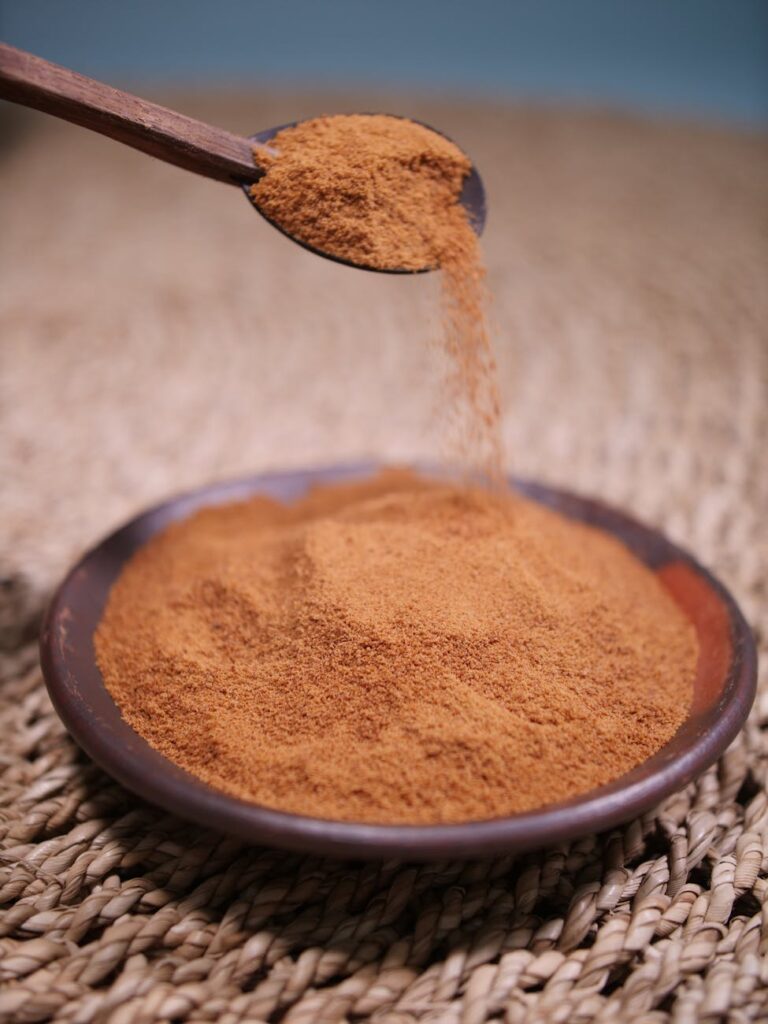
Coconut sugar, also known as coconut palm sugar, is a natural sweetener derived from the sap of the flower buds of the coconut palm tree (Cocos nucifera). It is often lauded as a more sustainable alternative to conventional sugars, such as cane or beet sugar. With a caramel-like flavor and a texture that closely resembles brown sugar, coconut sugar provides a unique taste experience. It is composed mainly of sucrose, but it also contains fructose and glucose, along with trace amounts of vitamins and minerals, making it a popular choice among health-conscious consumers.
History and Origins
Coconut sugar has been used for centuries, particularly in Southeast Asian countries such as the Philippines, Indonesia, and India. Historical evidence suggests that the practice of tapping coconut sap began over 2,000 years ago. Traditionally, local communities utilized coconut sugar not only as a sweetener but also as a form of currency and a staple in cultural rituals.
In recent years, the global interest in coconut sugar has increased significantly, driven by the growing demand for organic and natural food products. The sustainable harvesting practices associated with coconut sugar production have further bolstered its appeal, as they align with contemporary environmental values.
Production and Processing
The production of coconut sugar involves a meticulous process that begins with the collection of sap from coconut flower buds. Harvesters climb the coconut palm and carefully cut the bud to allow the sap to flow into collection containers. This sap is then boiled to evaporate the water content, resulting in a thick syrup. Once the syrup reaches the desired consistency, it is cooled and crystallized into granules.
The entire process is labor-intensive and requires skilled craftsmanship, which is often passed down through generations. The careful handling of the sap is crucial, as improper techniques can lead to fermentation or spoilage. The final product is typically unrefined, retaining many of the natural nutrients found in the sap, including trace minerals like iron, zinc, calcium, and potassium.
Quality and Grading
When purchasing coconut sugar, it is essential to consider quality and grading standards. High-quality coconut sugar is typically dark brown or light brown in color, indicating a higher mineral content. The flavor should be rich and caramel-like, free from any off-putting odors or flavors.
The grading of coconut sugar can vary by region and producer. Some common indicators of quality include:
- Color: Darker sugars tend to have a more robust flavor and higher mineral content.
- Texture: The granules should be fine and not overly clumpy, indicating proper drying and processing.
- Moisture Content: Coconut sugar should have a low moisture content to ensure a longer shelf life and prevent spoilage.
- Baking: Coconut sugar can replace brown sugar in cookies, cakes, and muffins, adding a rich, caramel flavor.
- Beverages: It can be dissolved in hot liquids, making it ideal for sweetening teas, coffees, and smoothies.
- Sauces and Marinades: Coconut sugar can enhance the flavor of sauces, glazes, and marinades, contributing a complex sweetness.
- Savory Dishes: Its caramel notes can balance savory flavors, making it suitable for stir-fries and other savory preparations.
Consumers are advised to look for certifications, such as organic or fair trade, which can provide additional assurance regarding the quality and ethical sourcing of the product.
Buying Considerations
When selecting coconut sugar, several factors should be taken into account:
1. Source: Consider the origin of the coconut sugar. Products from established producers with sustainable practices are often preferable.
2. Packaging: Opt for products that are packaged in airtight containers to maintain freshness and prevent moisture absorption.
3. Labeling: Look for clear labeling that indicates whether the sugar is raw, organic, or processed. Avoid products with additives or artificial ingredients.
4. Price: Coconut sugar can be more expensive than conventional sugars due to its labor-intensive production process. However, the unique flavor and potential benefits may justify the cost for many consumers.
5. Taste Profile: Different brands may have slight variations in flavor. Consider trying a few to find one that aligns with your taste preferences.
6. Sustainability: Many consumers today prioritize sustainability. Research brands that adhere to environmentally responsible practices and support local communities.
Uses and Applications
Coconut sugar is a versatile ingredient that can be used in a variety of culinary applications. Its unique flavor makes it an excellent substitute for standard sugars in many recipes, including:
Coconut sugar is often favored by those following various dietary lifestyles, including vegan and paleo diets, as it is a plant-based sweetener that aligns with their principles.
Storage and Shelf Life
Proper storage is essential for maintaining the quality of coconut sugar. It should be kept in a cool, dry place, away from direct sunlight and moisture. An airtight container is ideal, as it helps prevent clumping and prolongs the shelf life of the product.
When stored correctly, coconut sugar can last for an extended period, often up to two years or more. However, it is advisable to check for any signs of spoilage, such as off odors or unusual clumping, before use.
Common Misconceptions
Despite its popularity, there are several misconceptions regarding coconut sugar:
1