
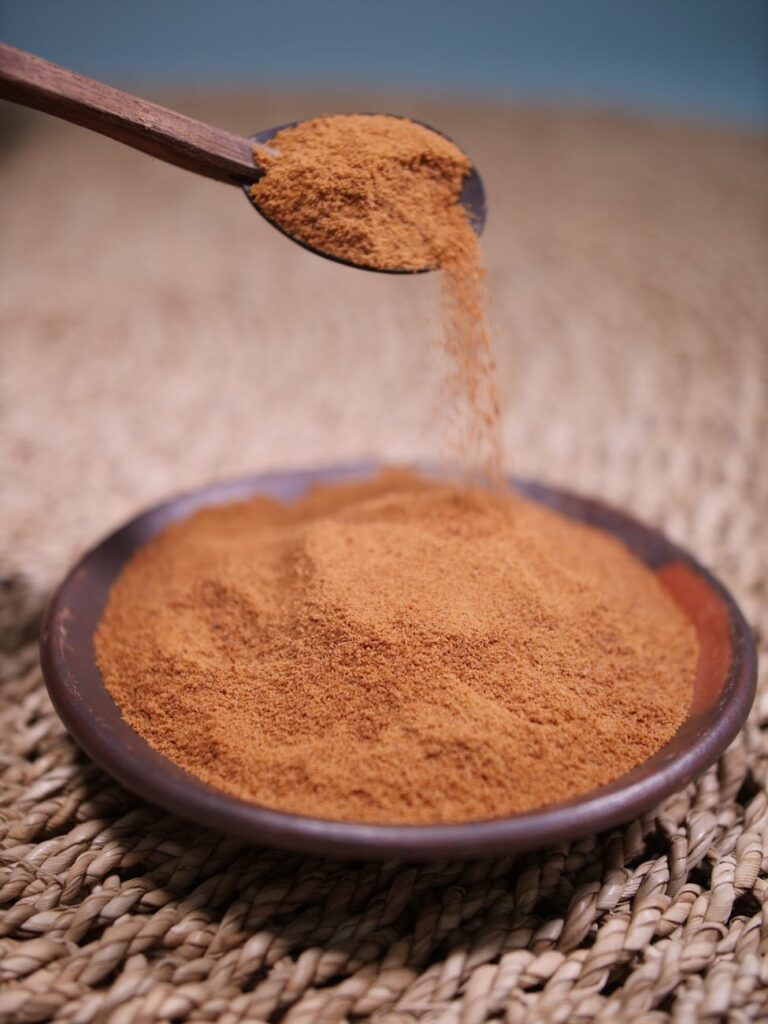
Coconut Sugar in Traditional Cuisine
Introduction
Coconut sugar, derived from the sap of the coconut palm tree, has gained increasing attention in recent years as a natural sweetener. This versatile ingredient has deep roots in various traditional cuisines across the globe, particularly in Southeast Asia and the Pacific Islands. Characterized by its rich flavor profile and unique caramel notes, coconut sugar serves not only as a sweetening agent but also as a component that enhances the overall taste and authenticity of numerous dishes. This article delves into the uses of coconut sugar within traditional cuisines, exploring its history, production methods, and applications in culinary practices.
What Is Uses?
The term “uses” in this context refers to the various culinary applications and roles coconut sugar plays in traditional dishes. Unlike refined sugars, which are often devoid of nutritional value and flavor complexity, coconut sugar retains many of the nutrients found in the coconut sap. This section will encompass its applications in cooking, baking, and cultural practices, showcasing its multifaceted role in cuisine.
History and Origins
Coconut sugar has been utilized for centuries, particularly in Southeast Asia. The use of coconut sap for sweetening dates back thousands of years, with evidence suggesting that it has been a staple in Indonesian and Philippine cultures since ancient times. Historically, coastal communities relied on coconut palms for sustenance, utilizing every part of the tree, including the sap, which could be harvested and processed into sugar.
In traditional settings, coconut sugar was often made by collecting sap from the flower buds of the coconut palm. The sap would then be cooked down to create a thick syrup, which would crystallize upon cooling. This method not only provided a sweetener but also supported local economies, as coconut sugar was a valuable trade commodity. Today, while modern methods have streamlined production, traditional techniques are still celebrated for their craftsmanship and connection to cultural heritage.
Production and Processing
The production of coconut sugar involves a meticulous process that begins with the collection of sap from the coconut palm. Farmers tap the flower buds, collecting the sweet sap, which is then heated to evaporate excess moisture. This results in a thick syrup that eventually crystallizes into the granulated form familiar today.
The quality of coconut sugar can vary significantly based on the processing methods used. Traditional methods often preserve more of the natural flavors and nutrients, while industrial processes may strip these elements away. Key factors influencing production include the type of coconut palm used, the conditions of the harvest, and the techniques employed during processing.
Quality and Grading
Quality and grading of coconut sugar are determined by several factors, including color, texture, and flavor profile. High-quality coconut sugar is typically dark brown, indicating a higher molasses content, which contributes to its rich flavor. The texture should be fine and grainy, without clumps or excessive moisture.
Grading standards may differ by region, but generally, coconut sugar is categorized into three main grades:
1. Grade A: Light brown, with a mild flavor, often used for sweetening beverages.
2. Grade B: Medium brown, with a more pronounced flavor, suitable for baking and cooking.
3. Grade C: Dark brown, rich in flavor, ideal for traditional dishes and desserts.
Consumers seeking coconut sugar should be aware of these grading systems to ensure they select a product that meets their culinary needs.
Buying Considerations
When purchasing coconut sugar, several factors should be taken into account:
1. Source: Opt for sustainably sourced products to support environmentally friendly practices. Many brands now highlight their ethical sourcing methods.
2. Processing: Look for organic or minimally processed options to retain the maximum nutritional benefits and flavor.
3. Packaging: Ensure that the packaging is intact to prevent moisture absorption, which can affect quality.
4. Certifications: Seek products that carry certifications like organic or fair trade, which can serve as indicators of quality and ethical practices.
5. Price: Coconut sugar can vary in price based on quality and sourcing. Higher-priced options often reflect superior production methods and flavor profiles.
Uses and Applications
Coconut sugar finds its way into a multitude of traditional dishes across various cultures. Its unique flavor profile makes it an ideal ingredient for both sweet and savory applications:
1. Southeast Asian Cuisine
In countries like Indonesia and the Philippines, coconut sugar is a staple in traditional desserts. It is used in popular treats such as:
- Kue Cubir: A traditional Indonesian cake that uses coconut sugar for sweetness and flavor.
- Bibingka: A Filipino rice cake that incorporates coconut sugar for a rich, caramel-like taste.
- Gulab Jamun: A popular dessert made from milk solids and cooked in a syrup made from coconut sugar.
- Pongal: A rice dish often sweetened with jaggery, enhancing its flavor profile.
- Karak Tea: A spiced tea that benefits from the rich, caramel notes of coconut sugar.
- Muffins
- Cakes
- Sauces
2. Indian Cuisine
In India, coconut sugar, often referred to as “jaggery,” is commonly used in sweets like:
3. Middle Eastern Cuisine
In Middle Eastern culinary traditions, coconut sugar is sometimes used as a natural sweetener for beverages like:
4. Baking and Cooking
Coconut sugar can be substituted for refined sugar in various recipes, making it a versatile choice for bakers and cooks. Its ability to retain moisture while providing a rich flavor makes it ideal for:
5. Beverages
Coconut sugar is increasingly used in beverages, from smoothies to cocktails, where it can enhance sweetness without overpowering the other flavors.
Storage and Shelf Life
Proper storage is essential to maintain the quality of coconut sugar. It should be kept in an airtight container in a cool, dry place