
Coconut Sugar Myths and Misconceptions
Introduction
Coconut sugar, often heralded as a healthier alternative to regular table sugar, has garnered significant attention in culinary circles and health discussions alike. Despite its rising popularity, various myths and misconceptions about coconut sugar persist, leading to confusion among consumers. This article aims to demystify coconut sugar by providing a comprehensive overview of its origins, production, uses, and the most common misunderstandings associated with it.
What Is Coconut Sugar?
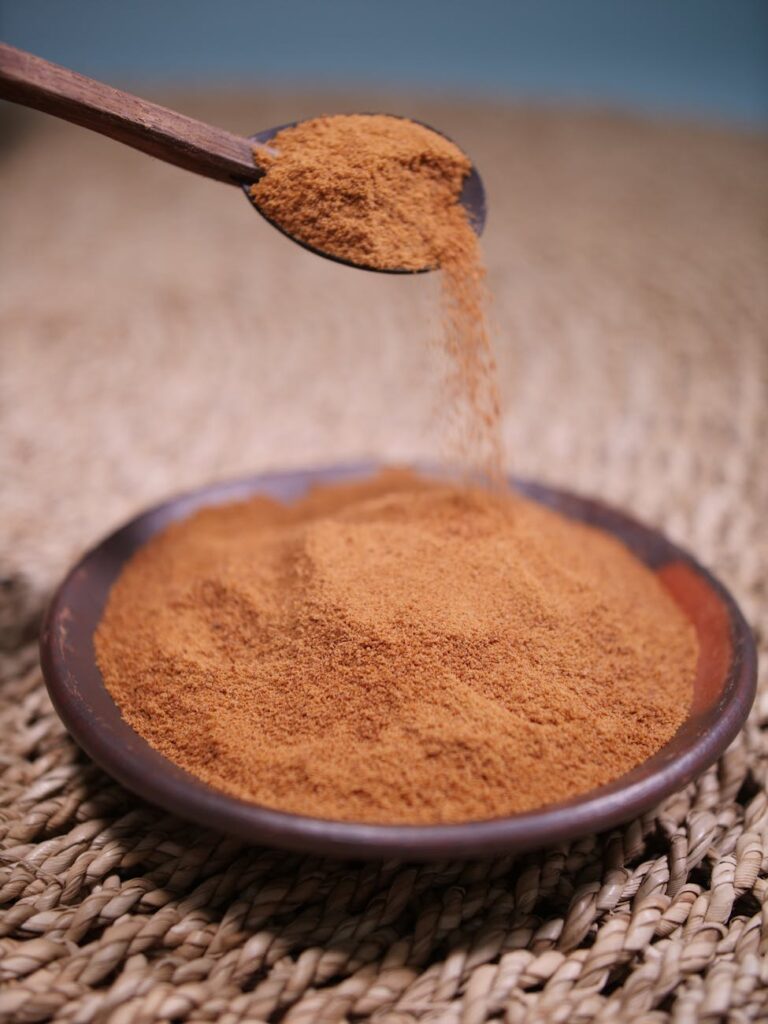
Coconut sugar, sometimes referred to as coconut palm sugar or coconut sap sugar, is a sweetener derived from the sap of the flower buds of the coconut palm tree (Cocos nucifera). The sap is collected, heated to evaporate moisture, and then crystallized to produce granulated sugar. Renowned for its caramel-like flavor and unique nutritional profile, coconut sugar is often marketed as a more natural and less processed alternative to conventional sweeteners.
History and Origins
Coconut sugar has a long history, particularly in Southeast Asia, where it has been used for centuries as a staple sweetener. Historical records suggest that its use dates back to ancient times in countries such as Indonesia, the Philippines, and Thailand. Traditional methods of production have been passed down through generations, with local farmers harvesting sap from coconut trees using techniques that are largely unchanged today.
The growing global interest in healthier food alternatives has led to a resurgence in the popularity of coconut sugar, particularly in Western markets. Its appeal can be attributed to its perceived health benefits, unique flavor, and the sustainable practices often associated with its production.
Production and Processing
The production of coconut sugar involves several steps. Initially, sap is collected from the flower buds of the coconut palm. This sap is then heated to evaporate moisture and is subsequently crystallized into granules. The process is relatively straightforward and requires minimal processing compared to refined sugars.
The quality of coconut sugar can vary based on factors such as the method of extraction, the specific coconut palm variety, and the local climate. Artisanal producers often utilize traditional techniques that enhance the flavor and nutrient profile of the final product. In contrast, mass-produced coconut sugar may undergo additional processing, potentially affecting its taste and nutritional value.
Quality and Grading
Coconut sugar is typically categorized based on factors such as color, granule size, and moisture content. High-quality coconut sugar is often light brown in color, indicating minimal processing and a higher retention of nutrients. The granule size can also impact its usability; finer granules dissolve more easily, making them suitable for baking and beverages.
Grading systems may vary by region, but premium coconut sugar often features a more complex flavor profile and a greater nutritional composition. Consumers should look for products that are labeled as organic or sustainably sourced to ensure higher quality.
Buying Considerations
When purchasing coconut sugar, several factors should be taken into account:
1. Source: Look for products that are sourced from reputable producers, ideally those that engage in ethical and sustainable farming practices.
2. Labeling: Choose organic coconut sugar to avoid potential pesticides and chemicals. Certifications from recognized organizations can provide further assurance of quality.
3. Flavor Profile: Different brands may vary in flavor intensity; some are more caramel-like while others may have a milder taste. Sampling various brands can help identify preferences.
4. Texture: Coconut sugar can vary in granule size; finer sugar is often preferable for specific applications like baking or sweetening beverages.
5. Price: Higher-quality coconut sugar may come at a premium price. However, the investment is often justified by the flavor and nutritional benefits it offers.
Uses and Applications
Coconut sugar can be utilized in a myriad of culinary applications. Its versatility allows it to replace regular sugar in recipes, serve as a sweetener for beverages, or even be used in marinades and dressings.
In baking, coconut sugar can impart a rich, caramel flavor, making it a suitable choice for cookies, cakes, and desserts. Additionally, its low glycemic index is often cited as a reason for its use in health-conscious recipes, though it’s essential to understand that it is still a form of sugar and should be consumed in moderation.
Furthermore, coconut sugar can be used in savory dishes to balance flavors, especially in Asian cuisines where it is often incorporated into sauces and glazes.
Storage and Shelf Life
To ensure the longevity of coconut sugar, it should be stored in a cool, dry place, preferably in an airtight container. Proper storage helps maintain its texture and flavor. When stored correctly, coconut sugar can have a shelf life of up to two years. However, exposure to moisture can lead to clumping, which may affect its usability.
Common Misconceptions
Despite its popularity, several misconceptions about coconut sugar persist:
1. Coconut Sugar Is Calorie-Free: One of the most prevalent myths is that coconut sugar contains fewer calories than regular sugar. In reality, while it may have a slightly lower glycemic index, it still contains approximately the same number of calories per gram as conventional sugar.
2. Coconut Sugar Is Nutritionally Superior: While coconut sugar does contain trace amounts of vitamins and minerals, such as potassium, iron, and zinc, these quantities are minimal. It cannot be considered a significant source of nutrients compared to whole foods.
3. Coconut Sugar Is Suitable for Diabetics: Although it has a lower glycemic index, coconut sugar is still a form of sugar and can affect blood sugar levels. Diabetics should consult their healthcare providers before incorporating it into their diets.
4. All Coconut Sugar Is Organic and Sustainable: Not all coconut sugar is produced sustainably. Consumers should seek out products that are certified organic and sourced from responsible producers to avoid contributing to environmental degradation.
5. Coconut Sugar Tastes Like Coconut: While it is derived from the coconut palm,